SDG Investor Maps

Access to Finance for MSMEs with a Focus on Smallholder Farmers

Expected Impact

IOA supports MSMEs, promoting decent work and financial inclusion to stimulate growth and reduce income inequality in Lao PDR

Investment Timeframe

Medium Term (5–10 years)

Market Size

USD 100 million - USD 1 billion

Read More

Regenerative Construction Materials

Expected Impact
The IOA advances sustainable development in Lao PDR via eco-friendly forestry and regenerative construction, benefiting communities and nature

Investment Timeframe

Medium Term (5–10 years)

Market Size

< USD 50 million

Read More

Digital Infrastructure for Virtual Skill Development

Expected Impact

Digital Education aims to bridge the educational and employment gaps in Lao PDR, empowering underserved communities for socio-economic upliftment by providing quality, accessible educational content

Investment Timeframe

Medium Term (5–10 years)

Market Size

< USD 50 million

Read More

Animal Feed Production and Distribution

Expected Impact

Expected to increase access to high-quality animal feed, promoting sustainable agriculture and improving rural livelihoods in Lao PDR.

Investment Timeframe

Medium Term (5–10 years)

Market Size

< USD 50 million

Read More

Advanced Cold Chain Solutions for Food Safety and Quality

Expected Impact

The cold storage industry in Lao PDR aims to improve food security, reduce waste, and foster economic inclusion by extending the shelf life of perishable goods and creating job opportunities in rural areas

Investment Timeframe

Medium Term (5–10 years)

Market Size

USD 50 million - USD 100 million

Read More

Agro Tourism

Expected Impact

IOA fosters sustainable growth in local communities via agro-tourism, which through employment opportunities promotes gender equality and inclusion.

Investment Timeframe

Short Term (0–5 years)

Market Size

USD 100 million - USD 1 billion

Read More

Generic Drug Production

Expected Impact

Developing local capacity for generic drug production in Lao PDR is expected to increase access to affordable medicines and reduce import dependency.

Investment Timeframe

Long Term (10+ years)

Market Size

< USD 50 million

Read More

Health Insurance Services

Expected Impact

The IOA is expected to enhance the financial resilience of low-income individuals in Lao PDR by providing affordable insurance services, thereby reducing poverty and promoting economic stability.

Investment Timeframe

Medium Term (5–10 years)

Market Size

USD 100 million - USD 1 billion

Read More

Nature-based Tourism

Expected Impact

Promoting sustainability via forest protection, local livelihood enhancement, and reduced gender inequality.

Investment Timeframe

Medium Term (5–10 years)

Market Size

USD 100 million - USD 1 billion

Read More

Retail Outlets for Pharmaceutical Products

Expected Impact

IOA enhances healthcare accessibility and economic growth through its retail model, promoting better health outcomes and job creation.

Investment Timeframe

Short Term (0–5 years)

Market Size

< USD 50 million

Read More

Agro-Industrial Processing Facilities

Expected Impact

To decrease food insecurity, create jobs, and promote social inclusion by enhancing agricultural productivity and reducing import dependence for food.

Investment Timeframe

Medium Term (5–10 years)

Market Size
USD 100 million - USD 1 billion

Read More

Affordable Education Loans for Students in Primary and Secondary Education

Expected Impact
Provision of financial solutions to support low-income individuals to continue their education and schools dependent on voucher system.

Investment Timeframe
Short Term (0-5 years)

Market Size
> USD 1 billion

Read More

Modular Specialized Health Care Facilities

Expected Impact
Establishing specialized healthcare facilities in the country to cater to the needs for specialized treatment, especially by low-income patients.

Investment Timeframe

Short Term (0–5 years)

Market Size
> USD 1 billion

Read More

Solar Power Infrastructure for Underserved Areas

Expected Impact
Reducing greenhouse gas emissions while improving air quality, energy affordability and creating green jobs through solar power investments.

Investment Timeframe
Medium Term (5–10 years)

Market Size
> USD 1 billion

Read More

Affordable and Resilient Housing Infrastructure

Expected Impact
Improving well-being and social security of low income households through providing affordable housing.

Investment Timeframe
Medium Term (5–10 years)

Market Size
USD 100 million - USD 1 billion

Read More

Affordable Hospital Infrastructure Development

Expected Impact
Improving healthcare quality in underserved areas by creating more medical care delivery infrastructure in coordination with local government support

Investment Timeframe
Long Term (10+ years)

Market Size
> USD 1 billion

Read More

Low-cost Internet Services

Expected Impact
Increased internet connectivity for communities in remote areas to improve social and economic services including education of young people

Investment Timeframe
Short Term (0–5 years)

Market Size
> USD 1 billion

Read More

Bulk Water Supply Infrastructure for Underserved Areas

Expected Impact
Providing people with clean water to meet basic daily requirements. Health of poor families is also benefited by having access to clean water sources.

Investment Timeframe
Long Term (10+ years)

Market Size
USD 100 million - USD 1 billion

Read More

Hydropower Infrastructure

Expected Impact
Reducing greenhouse gas emissions while improving air quality, energy affordability and creating green jobs through hydropower investments.

Investment Timeframe
Medium Term (5–10 years)

Market Size
> USD 1 billion

Read More

Effective Infrastructure for Solid Waste Management

Expected Impact
Improving health and environment of impacted communities and water ways through providing solid waste management solutions.

Investment Timeframe
Medium Term (5–10 years)

Market Size
USD 50 million - USD 100 million

Read More

Insurance Solutions for Smallholder Farmers

Expected Impact
Providing improved financial security to poor families within the agriculture industry through microfinancing and microinsurance products.

Investment Timeframe
Short Term (0–5 years)

Market Size
USD 100 million - USD 1 billion

Read More

Digitizing Healthcare Payments

Expected Impact
Improve overall health care delivery capability by providing key IT solutions to ease processing and sharing of medical information of stakeholders.

Investment Timeframe
Medium Term (5–10 years)

Market Size
> USD 1 billion

Read More

Customised Insurtech Products for MSMEs

Expected Impact
Enhance MSMEs' financial stability and continuity through customised insurtech products, decrease business disruption risks, and increase national economic growth.

Investment Timeframe
Short Term (0–5 years)

Market Size
> USD 1 billion

Read More

Controlled Environment Agriculture

Expected Impact
Increase national food security and self-sufficiency, enhance sustainable agricultural practices for local food production, increase the yields and the agriculture sector's share of GDP, and optimize land use.

Investment Timeframe
Medium Term (5–10 years)

Market Size
> USD 1 billion

Read More

Cyber Security Solutions

Expected Impact

Enhance companies' cyber resilience, support continuous economic growth by increasing productivity, and enable the development of a secure digital economy.

Investment Timeframe

Medium Term (5–10 years)

Market Size

> USD 1 billion

Read More

Agrometeorological Data Collection And Analytics

Expected Impact
Increase food security and self-sufficiency, optimize the use of resources and enhance sustainable agriculture through technology usage, to increase farmers' income and the agricultural sector's share of GDP.

Investment Timeframe
Short Term (0–5 years)

Market Size
> USD 1 billion

Read More

Energy Storage System (ESS)

Expected Impact
Improve energy security and supply stability, as well as the energy system reliability and resilience, increase the energy efficiency of economic activities and enhance the low-carbon economy.

Investment Timeframe

 Long Term (10+ years)

Market Size

> USD 1 billion

Read More

Installation of Rooftop Solar PV Solutions

Expected Impact
Increase renewable energy share through rooftop solar PV panel solutions for industrial and commercial premises, green employment with diverse services and reduce carbon intensity.

Investment Timeframe
Short Term (0–5 years)

Market Size
> USD 1 billion

Read More

Integration Of Smart Technologies In Transfer Stations And Material Recovery Facilities

Expected Impact
Enhance the efficiency of waste sorting, treatment and recycling, decrease pollution, enhance circular economy, and increase environmental and community health.

Investment Timeframe
Medium Term (5–10 years)

Market Size
> USD 1 billion

Read More

Low-Carbon Decentralised Solutions for Waste Treatment

Expected Impact
Enhance management and recycling of waste, decrease landfill overloading, boost the circular and low-carbon economy, and reduce environmental pollution and public health risks.

Investment Timeframe
Short Term (0–5 years)

Market Size
> USD 1 billion

Read More

Medical Devices Manufacturing

Expected Impact

Enhance quality of healthcare services including decreased out of pocket expenses on healthcare, provide healthcare that is better suited for local needs and Malaysian's health behaviour, as well as decrease country's import dependence for medical devices

Investment Timeframe

Medium Term (5–10 years)

Market Size

> USD 1 billion

Read More

Micro and Mini Hydro Solutions

Expected Impact
Increase renewable energy share in the national mix through small hydro solutions, and promote safer, self-sufficient and affordable production of energy, thereby contributing to a low-carbon economy.

Investment Timeframe

Medium Term (5–10 years)

Market Size

> USD 1 billion

Read More

Peer-To-Peer (P2P) Lending And Equity Crowdfunding (ECF) for MSMEs

Expected Impact

Increased access to finance for MSMEs contributes to job creation, proliferation of inclusive business models, and consequently to improved community and household financial wellbeing and resilience.

Investment Timeframe

Short Term (0–5 years)

Market Size

> USD 1 billion

Read More

Personalised Caregiving Services

Expected Impact

Increase the well-being of older patients and patients with disabilities, increase the satisfaction of basic and specific patients' needs, by providing specialized healthcare services.

Investment Timeframe

Long Term (10+ years)

Market Size

USD 100 million - USD 1 billion

Read More

Supply of Suitable Infrastructure And Assistive Technologies

Expected Impact

Increase care services provision responding to growing needs for special care, improve quality of care services, enhance the skills and capacity around care economy.

Investment Timeframe

Long Term (10+ years)

Market Size
USD 100 million - USD 1 billion

Read More

Smart Warehouse Solutions For Port And Cold-Chain Logistics

Expected Impact

Enhance efficiency and seamless movement of goods through smart logistics, thereby decreasing emissions and increasing economic activities and revenue flows.

Investment Timeframe

Medium Term (5–10 years)

Market Size

> USD 1 billion

Read More

Production of Sustainable Packaging, Including Using Biodegradable Materials

Expected Impact

Decrease plastic pollution on land and in the oceans, reduce pressure on landfills, enhance the circular economy and improve an otherwise resource-intensive economy toward a more sustainable pathway.

Investment Timeframe

Short Term (0–5 years)

Market Size

> USD 1 billion

Read More

Cold Storage For Efficient Supply Chain

Expected Impact
The construction of cold storage systems contributes to ensuring product quality, reducing post-harvest losses, and indirectly benefits the farmers involved

Investment Timeframe
Medium Term (5–10 years)

Market Size
> USD 1 billion

Read More

Energy Generation from Solid Waste

Expected Impact
Waste electricity benefits communities and contributes to increasing electricity supply and reducing greenhouse gas emissions.

Investment Timeframe
Long Term (10+ years)

Market Size
USD 100 million - USD 1 billion

Read More

Food Processing for Fruit and Vegetable Drinks

Expected Impact
The fruit and veggies juice processing factories combined with the development of plantation areas for input supply contribute to increased agricultural productivity, and economic development.

Investment Timeframe
Medium Term (5–10 years)

Market Size
USD 100 million - USD 1 billion 

Read More

Food Irradiation Facilities

Expected Impact
Irradiation services contribute to the export of agricultural products and directly benefit the farmers involved in the production and consumers who can enjoy enhanced product quality assurance

Investment Timeframe
Medium Term (5–10 years)

Market Size
USD 50 million - USD 100 million

Read More

Production, Processing and Distribution of Herbal Ingredients

Expected Impact
Increase the supply of quality ingredients from domestically produced sources, addressing the issue of a large volume of herbal ingredients imported from sources with unassured quality.

Investment Timeframe
Medium Term (5–10 years)

Market Size
USD 100 million - USD 1 billion

Read More

Solar Power Plants

Expected Impact
Solar Power provides jobs and contributes to securing electricity whilst reducing greenhouse gas emissions.

Investment Timeframe
Medium Term (5–10 years)

Market Size
> USD 1 billion

Read More

Solid Waste Processing Using Environmentally Efficient Technologies

Expected Impact
This investment can improve household and commercial waste treatment performance, thereby reducing environmental pollution and improving health for local communities.

Investment Timeframe
Medium Term (5–10 years)

Market Size
USD 100 million - USD 1 billion

Read More

Online Vocational Skill Training

Expected Impact
This IOA provides opportunities to access vocational training, and acquire jobs for a large population, including women and those who are living in rural/ remote areas.

Investment Timeframe
Medium Term (5–10 years)

Market Size
< USD 50 million

Read More

Telemedicine

Expected Impact
Improving access to healthcare services for the population that cannot visit physical healthcare clinics, and for reducing patient overload at large hospitals.

Investment Timeframe
Medium Term (5–10 years)

Market Size
USD 100 million - USD 1 billion

Read More

Clean Water Supply

Expected Impact
This IOA increases the population that improve health and general well-being from the use piped hygienic water supply in both rural and urban areas

Investment Timeframe
Medium Term (5–10 years)

Market Size
> USD 1 billion

Read More

Bio-pesticides Production For Farming

Expected Impact
The use of bio-pesticides will contribute to improving the working conditions for farmers, among which women account for a majority, and reduce the health risks for consumers.

Investment Timeframe
Medium Term (5–10 years)

Market Size
USD 50 million - USD 100 million

Read More

Wind Power Plants

Expected Impact
Wind power projects provide jobs and contribute to securing electricity whilst reducing greenhouse gas emissions.

Investment Timeframe
Long Term (10+ years)

Market Size
> USD 1 billion

Read More

Agri-tech Solutions to Improve Farm Production

Expected Impact
Foster access to high-tech solutions for productivity improvement or working environment for farmers, contributing to improving the average income of rural areas.

Investment Timeframe
Medium Term (5–10 years)

Market Size
USD 100 million - USD 1 billion

Read More

Affordable Solar Water Heaters

Expected Impact
This investment contributes to reduction in coal-burning for energy consumption, reducing carbon emissions with cascading impact on the quality of life of the population on the whole.

Investment Timeframe
Short Term (0–5 years)

Market Size
USD 50 million - USD 100 million

Read More

Waste to Energy (WtE) Solutions for a Circular Waste Management System

Expected Impact

Improvement in waste management systems to ensure circular approach to managing waste; improvement in well-being and positive environmental outcomes

Investment Timeframe

Medium Term (5–10 years)

Market Size

 USD 100 million - USD 1 billion

Read More

Sustainable Agriculture Solutions to Improve Farm Productivity

Expected Impact

Improve crop yield, farmers' income and quality of life of rural communities; ensuring reduction in carbon emissions and reversal of climate change.

Investment Timeframe

Medium Term (5–10 years)

Market Size

> USD 1 billion

Read More

Solar Photovoltaic (PV) Systems

Expected Impact

Increase solar power's share in Cambodia's energy portfolio; improve access to power and contribute to energy security while reducing CO2 emissions.

Investment Timeframe

Medium Term (5–10 years)

Market Size

USD 100 million - USD 1 billion

Read More

Skill Development Centers

Expected Impact
Reduce the existing skill gap and equip the workforce with modern specialized skills needed to compete in the global job market.

Investment Timeframe

Short Term (0–5 years)

Market Size

USD 50 million - USD 100 million

Read More

Private Forest Management

Expected Impact

Contribute to reforestation initiatives to protect natural resources and reduce environment degradation.

Investment Timeframe

Long Term (10+ years)

Market Size

USD 100 million - USD 1 billion

Read More

Piped Water Systems (PWS)

Expected Impact

Expansion of PWS across rural and remote areas to reduce regional disparities in access to affordable and clean water.

Investment Timeframe

Long Term (10+ years)

Market Size

USD 100 million - USD 1 billion

Read More

Logistics Services to Promote Cambodian Exports

Expected Impact

Development of logistics to reduce spoilage and enable Cambodia to expand its export income, thereby contributing to growth of economy.

Investment Timeframe

Medium Term (5–10 years)

Market Size

USD 100 million - USD 1 billion

Read More

Digital Only Financing Solutions with Add-on Services

Expected Impact

Affordable financial services to enable SMEs to obtain loans and financial management to formalize their businesses and access financial institutions

Investment Timeframe

Short Term (0–5 years)

Market Size

> USD 1 billion

Read More

Digital Healthcare Service Providers

Expected Impact

Digital solutions in healthcare to improve efficiency and accessibility of the healthcare system by communities and people that need them the most.

Investment Timeframe

Short Term (0–5 years)

Market Size

USD 100 million - USD 1 billion

Read More

Clean Cooking Solutions

Expected Impact

Provision of clean cooking solutions to reduce air pollution, and improve the quality of work conditions for cooking staff, women and children. 

Investment Timeframe

Medium Term (5–10 years)

Market Size

< USD 50 million

Read More

Agro-industrial Processing Facilities for Food Fortification

Expected Impact

Processing of food products to address nutrition needs; improve income of agricultural workers with increased export of processed food products

Investment Timeframe

Medium Term (5–10 years)

Market Size

USD 100 million - USD 1 billion

Read More

Agriculture Value Chain Development

Expected Impact

Efficient agriculture value chains to develop an organized and streamlined structure to address issues of post-harvest losses and import dependence

Investment Timeframe

Medium Term (5–10 years)

Market Size

> USD 1 billion

Read More

Affordable Insurance Solutions

Expected Impact

Improve insurance penetration rate to mitigate financial shocks caused by unexpected events and increase financial inclusion for the underserved.

Investment Timeframe

Medium Term (5–10 years)

Market Size

USD 100 million - USD 1 billion

Read More

Affordable Housing with Financing Solutions

Expected Impact

Affordable housing solutions to ensure improved well-being, reduced inequalities and urban planning support by expanding projects in city-outskirts.

Investment Timeframe

Long Term (10+ years)

Market Size

> USD 1 billion

Read More

Access to Finance for Small and Medium Enterprises (SMEs)

Expected Impact

Affordable loans for SMEs' growth; economic growth; promote enterprise growth to reduce unemployment; financial inclusion of last mile businesses

Investment Timeframe

Medium Term (5–10 years)

Market Size

> USD 1 billion

Read More

Waste Management Systems and Platform

Expected Impact
This IOA helps reduce pollution and improve efficiency of waste management and recycling by enabling better data management and economies of scale.

Investment Timeframe
Medium Term (5–10 years)

Market Size

> USD 1 billion

Read More

Waste Management Infrastructure

Expected Impact
This IOA helps increase resource efficiency and circular economy by recycling waste into new products.

Investment Timeframe
Short Term (0–5 years)

Market Size
> USD 1 billion

Read More

Telemedicine to Enhance Medical Access in Remote Areas

Expected Impact
Telemedicine allows for patients in rural areas to gain access to healthcare through the internet without having to travel to the hospital.

Investment Timeframe
Medium Term (5–10 years)

Market Size
USD 100 million - USD 1 billion

Read More

Smart Mobility Platform for Passengers and Freight Logistics

Expected Impact
Smart mobility platforms allow for passengers and products to be efficiently transported resulting in cost savings, economic growth, and less greenhouse gases, air pollution, and traffic congestion.

Investment Timeframe
Short Term (0–5 years)

Market Size
> USD 1 billion

Read More

Microinsurance for Enhanced Financial Security of Low Income Groups

Expected Impact
Microinsurance helps low income individuals mitigate financial risks and loss of income.

Investment Timeframe

Medium Term (5–10 years)

Market Size

USD 100 million - USD 1 billion

Read More

Microcredit for Business Purposes

Expected Impact
Microcredit for business purposes allow for low income borrowers to gain access to capital for investments in income generating activities that will develop the grassroots economy.

Investment Timeframe

Short Term (0–5 years)

Market Size

> USD 1 billion

Read More

Medical and Wellness Tourism

Expected Impact
Medical and wellness tourism in second tier provinces create jobs for local communities and improve access to healthcare and contributes to general well-being.

Investment Timeframe
Medium Term (5–10 years)

Market Size
> USD 1 billion

Read More

Eco & Community Based Tourism

Expected Impact
Eco- and community-based tourism in second tier provinces generates income and incentivizes communities to protect natural and cultural assets.

Investment Timeframe
Short Term (0-5 years)

Market Size
> USD 1 billion

Read More

Decentralized Online Learning Platform

Expected Impact
Decentralized online learning platform for STEM, digital skills and financial literacy help develop skills important to employer and entrepreneurship.

Investment Timeframe
Short Term (0–5 years)

Market Size
USD 100 million - USD 1 billion

Read More

Decentralized Electricity Generation from Solar PV

Expected Impact

This IOA helps replace fossil fuels with renewable sources in energy production, decrease greenhouse gas emissions, and help individuals reduce energy costs.

Investment Timeframe

Medium Term (5–10 years)

Market Size

> USD 1 billion

Read More

Community Biomass and Biogas Power Plant

Expected Impact
This IOA helps low communities gain access to renewable energy, while also generating income from selling the electricity to the grid and from selling the raw materials used to make the electricity.

Investment Timeframe
Long Term (10+ years)

Market Size

USD 100 million - USD 1 billion

Read More

Value Chain Development for Sustainable/Organic Agricultural Products

Expected Impact
Linking the farmers and consumers will help farmers improve their livelihoods and be encouraged to engage in sustainable and organic agriculture.

Investment Timeframe
Short Term (0–5 years)

Market Size
> USD 1 billion

Read More

Sustainable Packaging

Expected Impact
Sustainable packaging from agricultural waste/byproducts provide alternatives to plastics that can reduce marine plastic pollution and air pollution, while also providing income to farmers.

Investment Timeframe
Short Term (0–5 years)

Market Size
USD 50 million - USD 100 million

Read More

Smart Farming and Precision Agriculture

Expected Impact
Improve agricultural productivity and farmer incomes, while also benefitting the environment through resource-efficient and sustainable agriculture.

Investment Timeframe
Short Term (0–5 years)

Market Size
> USD 1 billion

Read More

Alternative Proteins as Food for the Future

Expected Impact
Alternative proteins provide a sustainable food source alternative to the traditional meat industry. It can also benefit upstream farmers from adding value to byproducts.

Investment Timeframe
Short Term (0–5 years)

Market Size
> USD 1 billion

Read More

Solar PV and Rooftop Solar Power systems

Expected Impact

Solar-based electricity generation to serve household, commercial and industrial needs and increase the proportion of RE in the total energy mix.

Investment Timeframe

10% - 15% (in IRR)

Market Size

USD 100M - USD 1B

Read More

Integrated Waste Management for Commercial and Household Waste

Expected Impact

Waste management to reduce environment degradation (from disposal of waste on land and in water), resulting in sustainable development of economy.

Investment Timeframe
Short Term (0–5 years)

Market Size

> USD 1B

Read More

Affordable Housing Development

Expected Impact

Promotion of affordable and climate resilient housing development to ensure quality accommodation for all sections of society.

Investment Timeframe

Long Term (10+ years)

Market Size

Affordable housing target - 1 mn units (16) Real estate contribution to GDP - 2.94% (17)

Read More

Telemedicine and Ancillary Healthcare Services with a Focus on Last-mile Delivery

Expected Impact

Provide access to quality and affordable health care services to underserved, unserved populations and vulnerable groups by leveraging digital platforms.

Investment Timeframe

Medium Term (5–10 years)

Market Size

USD 100M - USD 1B

Read More

Production and Delivery of Alternative / Herbal-based Medicines / Supplements

Expected Impact

Promotion of alternative herbal-based medicines and supplements to promote local industry and exports, while improving nutrition and providing more affordable medicines.

Investment Timeframe

Long Term (10+ years)

Market Size

> USD 1B

Read More

Pathology Laboratories or Testing Centers

Expected Impact

Affordable diagnostic service provision that ensures timely diagnosis and treatment of diseases, which in turn contributes to an improved healthcare system in Indonesia.

Investment Timeframe

Medium Term (5–10 years)

Market Size

> USD 1B

Read More

Sustainable Production of Food Products Focused on Staple Food Fortification

Expected Impact

Provision of sustainable food products to address nutrition requirements of the population by using climate smart sustainable agricultural (CSSA) practices.

Investment Timeframe

Medium Term (5–10 years)

Market Size

> USD 1B

Read More

Output-side Digital Platforms for Farmers

Expected Impact

Output side AgriTech based e-commerce platforms to improve farm to consumer market access, reduce losses incurred due to waste of resources and farm produce, and uplift smallholder farmers in Indonesia.

Investment Timeframe

Short Term (0–5 years)

Market Size

> USD 1 billion

Read More

Input-side Digital Platforms for Farmers

Expected Impact

Support farmers by providing farm input, information and financial services to improve productivity and induce climate resilient farming practices.

Investment Timeframe

Medium Term (5–10 years)

Market Size

> USD 1M

Read More

Aquaculture Supply-chain Management

Expected Impact

End-to-end aquaculture supply-chain solutions to promote the development of the sector, ensure food security and promote sustainable development.

Investment Timeframe

Long Term (10+ years)

Market Size

> USD 1B

Read More

Payment Solutions for Digitizing Cash Flows

Expected Impact

Easy money transfers by low-income groups, retail customers and businesses beyond urban areas, ensuring better transparency of transactions.

Investment Timeframe

Short Term (0–5 years)

Market Size

> USD 1B

Read More

InsurTech Platforms

Expected Impact

Provision of insurance products to improve insurance penetration, particularly for low income groups, leading to stability in economic growth.

Investment Timeframe

Medium Term (5–10 years)

Market Size

> USD 1B

Read More

Financing Solutions to Promote the Growth of Micro, Small & Medium Enterprises (MSMEs)

Expected Impact

Affordable loans to promote growth of MSMEs and fuel domestic economic growth, improvement in unemployment level and financial inclusion.

Investment Timeframe

Short Term (0–5 years)

Market Size

> USD 1B

Read More

Affordable Micro-credit

Expected Impact
Provision of affordable loans to the lower income group and retail customers beyond urban areas to ensure financial inclusion and facilitate sustainable growth in the economy.

Investment Timeframe

Medium Term (5–10 years)

Market Size

Assets of Indonesian banks in 2002 - USD 81B; in 2019 - USD 628B (19)

Read More

Virtual Skill Development Facilities at K12 Level and for Professional Workers

Expected Impact

Provision of virtual skill development facilities to promote upskilling of the workforce and contribute to economic growth.

Investment Timeframe

Short Term (0–5 years)

Market Size

Increase in consumer spending on additional training: 2015 - USD15.4M; 2019 - USD37.5M (9)

Read More

Learning Management Systems (LMS) for Modern Academic Portals

Expected Impact

Provide access to quality education to improve learning outcomes and learning experience resulting in improved quality of human capital.

Investment Timeframe

Medium Term (5–10 years)

Market Size

5% - 10% (CAGR)

Read More

Digital Platform for Interactive Learning for K12 to Support After School Learning and Development

Expected Impact

Provision of quality education via digital platforms for interactive learning for K-12 to enhance quality of education and learning experience and improve the quality of future workforce

Investment Timeframe

Medium Term (5–10 years)

Market Size

> USD 1B

Read More

Affordable Education Loans for Students

Expected Impact

Better accessibility to quality education for more people and an elevated quality of future workforces.

Investment Timeframe

Medium Term (5–10 years)

Market Size
5% - 10% (CAGR)

Read More
Countries
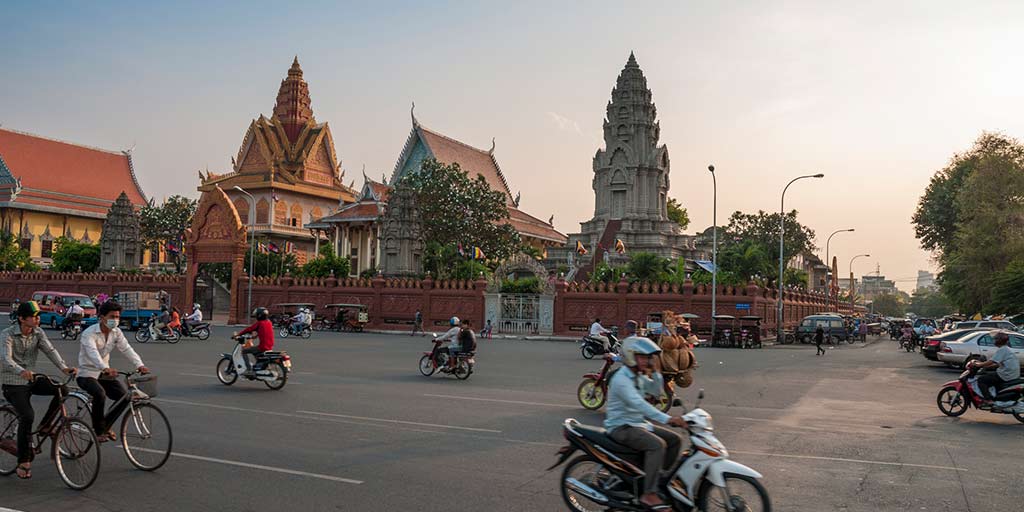
Cambodia

Over the two decades before the COVID-19 pandemic, Cambodia underwent a significant transition, reaching lower middle-income status in 2015 and expressing the aspiration of attaining upper middle-income status by 2030. Driven by garment exports and tourism, Cambodia’s economy sustained an average annual growth rate of 7.7 percent between 1998 and 2019, making it one of the fastest-growing economies in the world.

In 2020, however, the crisis unleashed by COVID-19 negatively affected three main sectors of Cambodia’s economy: tourism, manufacturing exports, and construction, that contributed more than 70 percent of the country’s economic growth and provided 39 percent of its total paid employment in 2019.

Cambodia has adapted to COVID-19. Real growth is estimated to have reached 3 percent in 2021. The authorities have relaxed travel restrictions in an effort to sustain business activity. About 83 percent of the population have received two doses of COVID vaccines. Amid eased mobility restrictions, economic recovery is underpinned by a strong rebound in manufacturing and sectors such as agriculture. Meanwhile, the recovery of the service sector and, especially, tourism -- an important source of employment -- remains sluggish. Since Cambodia is an energy and food net importer, rising energy and food prices due to the war in Ukraine need to be addressed to ensure income levels and consumer confidence are maintained to avoid increase in poverty levels.

Cambodia has recently redefined the poverty line, using the most recent Cambodia Socio-Economic Survey for 2019/20, based on cost-of-basic need, and a common basket approach. Under the new national poverty line, about 18 percent of the population is identified as poor. Poverty rates vary considerably by area. The poverty rate is the lowest in Phnom Penh (4.2 percent), other urban areas (12.6 percent), and the highest in rural areas (22.8 percent).

Over the period 2009-2019/20, poverty rates declined by 1.6 percentage points per year, driven substantially by rising labor (especially wage) earnings. In addition, the scale up of social assistance to poor and vulnerable households, launched in June 2020, has moderated income losses due to the pandemic. The increase in the poverty rate in 2020 is projected to have been limited to an increase of 2.8 percentage points. The negative impacts of the pandemic on non-farm family businesses remain substantial, caused mainly by weak consumer demand. Nearly half of households report declines in income between December 2020 and March 2021. This suggests that a proportion of households that are negatively affected by COVID-19 continue to suffer from income loss, which could lead to an increase of poverty.

Cambodia has made considerable strides in improving health outcomes, early childhood development, and primary education in rural areas. Life expectancy at birth has risen from 58 years in 2000 to 70 years in 2020. The maternal mortality ratio per 100,000 live births has decreased from 351 in 2005 to 160 in 2017; the under-five mortality rate has decreased from 106.3 per 1,000 live births in 2000 to 26.6 per 1,000 in 2019; and the infant mortality rate has fallen from 78 per 1,000 live births in 2000 to 22.8 per 1,000 in 2019. In 2021, net enrollment rates for primary, lower secondary, and upper secondary sub-sectors reached 91.9 percent, 60.7 percent, and 32.2 percent, respectively. The net pre-primary education enrolment rate for five-year-olds rose from 24.6 percent in 2004 to 61.08 percent in 2021. As of 2020, 15 percent of Cambodia’s population (2.5 million people) did not have access to improved water, and 23 percent (3.8 million people) did not have access to improved sanitation.

Key reforms are needed for Cambodia to sustain pro-poor growth, foster competitiveness, sustainably manage natural resource wealth, and improve access to and quality of public services. Cambodia continues to have infrastructure gaps and would benefit from greater connectivity and investments in rural and urban infrastructure. Further diversification of the economy will require fostering entrepreneurship, expanding the use of technology, and building new skills to address emerging labor market needs. Accountable and responsive public institutions will also be critical.  The quality of human capital will be of utmost importance to achieve Cambodia’s ambitious goal of reaching middle-income status by 2030.

The Royal Government of Cambodia has developed long-term development objectives, namely through the creation of the Cambodia Vision 2050 and Cambodia Sustainable Development Goals (CSDGs). Mid-term plans such as the Rectangular Strategy (RS) and the National Strategic Development Plan (NSDP) are used as policy instruments to achieve these long-term objectives. The Royal Government is committed to Cambodia’s transition to an upper-middle-income country by 2030 and a high-income country by 2050.

The Cambodia SDG Investor Map has been created to showcase business prospects with a supportive policy environment that can have a significant influence on sustainable development within the country. Located in the heart of the ASEAN, Cambodia is still perceived by many investors as a ‘frontier’ market that is smaller and less liquid than some neighbouring economies like Viet Nam. Challenges do exist, with VCs and PEs mostly reporting the lack of investible pipeline, lack of demonstrated success, and challenges in making investment exits (due to limitations of the local stock market), exacerbated by limited local expertise and capacity to assist with project sourcing and due diligence, making costs of investments very high.

However, an increasing number of opportunities are available in Cambodia for both small and large investors. The competitive advantages of the country, including that it is a small-sized market, has a central location in ASEAN, is a business-friendly environment with a young and tech-savvy population, and has a proven ability to leapfrog - as has been the case with mobile penetration and digital banking - make it an ideal base to run pilot projects that can then be rolled out throughout the region. Another interesting feature is the rise of local investment through private equity and angel networks that has the potential to build stronger foundations for local investment if properly supported.

Read More
Indonesia

The largest economy in Southeast Asia, Indonesia – a diverse archipelago nation of more than 300 ethnic groups – has charted impressive economic growth since overcoming the Asian financial crisis of the late 1990s.

Today, Indonesia is the world’s fourth most populous nation, the world’s 10th largest economy in terms of purchasing power parity, and a member of the G-20. Furthermore, Indonesia has made enormous gains in poverty reduction, cutting the poverty rate by more than half since 1999, to just under 10 percent in 2020.

Indonesia’s economic planning follows a 20-year development plan, spanning from 2005 to 2025. It is segmented into 5-year medium-term development plans called the RPJMN (Rencana Pembangunan Jangka Menengah Nasional), each with different development priorities. The current medium-term development plan is the last phase of the long-term plan. It aims to further strengthen Indonesia’s economy by improving the country’s human capital and competitiveness in the global market.

Population 270.2 million (2020 Population Census)
Provinces 34 provinces spread over five main islands- Sumatra, Jawa, Bali & Nusa Tenggara, Maluku & Papua, Sulawesi and Kalimantan.
Income category Lower Middle Income
GNI Per Capita (USD) 3,870
Demographic dividend Over 68% of the population is aged between 15 and 65, with a low dependency ratio and a dynamic workforce with high literacy rates
Investment climate Currently ranks 4th as a global investment destination after India, China, and the USA. It is the largest economy in South-East Asia and the 4th largest consumer market in the world
Ease of doing business rank 73 of 190 countries
Human Development Index 107 of 189 countries
Total private sector Investment Realization by value USD 29 billion (FDI) and USD 29.8 billion (DDI) as of 2020
 
Read More
Lao PDR

The Lao People’s Democratic Republic’s (Lao PDR) economy is expected to expand moderately over 2024 and 2025, due to external demand linked with tourism and trade, according to a new Asian Development Outlook (ADO), April 2024 report.

ADB forecasts gross domestic product (GDP) growth of 4% in 2024 and 2025. External demand will support growth in services, with international tourist arrivals projected to increase to 4.2 million in 2024 thanks to improved infrastructure connectivity. Foreign investment in renewable energy will help drive moderate industrial growth, such as the development of the Monsoon Wind Power Project which is expected to be completed in 2025. However, macroeconomic pressures will continue to weigh on growth prospects.

The Lao PDR’s economic and financial challenges—notably high public debt, steep currency depreciation, and elevated inflation—are contributing to persistent food and nutrition challenges. High food inflation is of particular concern, averaging 39.5% in 2023. One in seven people in the country experienced food insecurity in 2023, with rural dwellers twice as likely as urban dwellers to face shortages. Food insecurity and poor nutrition come at a high cost, including stunting from malnutrition which can lower a child’s productivity over their lifetime. 

The government has acted to ease household stress by working with development partners to expand social assistance, improve health services, and invest in clean water and sanitation. Looking ahead, it will be crucial to develop long-term, sustainable financing mechanisms to tackle the multidimensional nature of food security amid macroeconomic instability. This involves reforms to overcome economic and financial challenges and further improvements to social assistance that are nutrition-sensitive and climate-resilient.

Development agencies such as ADB, IMF, UNDP have clearly outlined the role of private sector in shaping Lao PDR’s investment outlook that can be attractive for investors and boost the economy to address some of the development challenges described above. For example, ADB’s country strategy to improve private sector ecosystem in Lao PDR includes improving business environment and using regional platform funds to grow enterprises, create an enabling environment for Public Private Partnerships (PPPs) and support climate resilient investments. Similarly, as part of UNDP’s strategy for Lao PDR between 2022 and 2026, there is a significant focus on addressing governance related bottlenecks that can help improve direct private sector investments into the SDGs. 

Read More
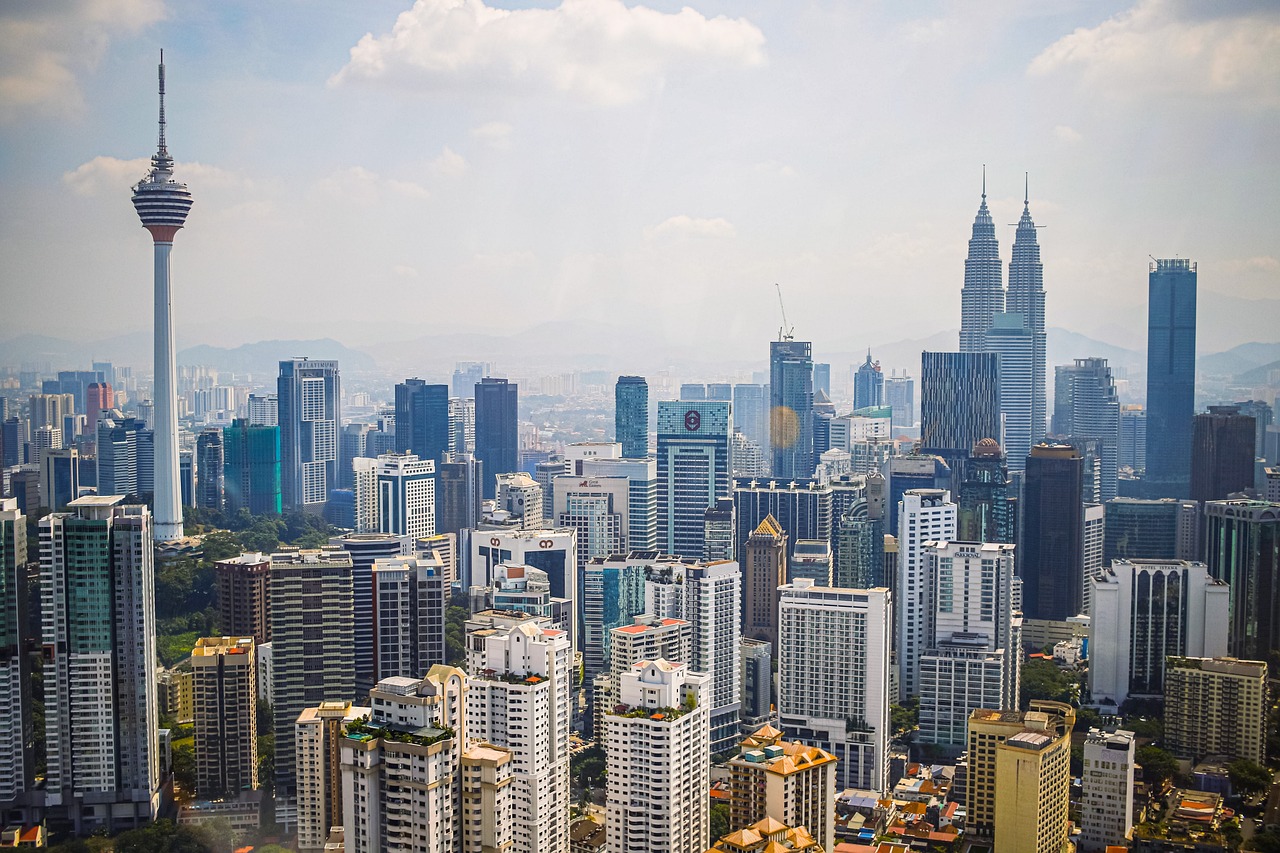
Malaysia
Since gaining independence in 1957, Malaysia has successfully diversified its economy from one that was initially agriculture and commodity-based, to one that now plays host to robust manufacturing and service sectors, which have propelled the country to become a leading exporter of electrical appliances, parts, and components. 
 
Malaysia is one of the most open economies in the world with a trade to GDP ratio averaging over 130% since 2010. Openness to trade and investment has been instrumental in employment creation and income growth, with about 40% of jobs in Malaysia linked to export activities. After the Asian financial crisis of 1997-1998, Malaysia’s economy has been on an upward trajectory, averaging growth of 5.4% since 2010, and is expected to achieve its transition from an upper middle-income economy to a high-income economy by 2024.

However, the COVID-19 (coronavirus) pandemic has had a major economic impact on Malaysia, particularly on vulnerable households. Having revised its national poverty line in July 2020, 5.6% of Malaysian households are currently living in absolute poverty. The Government is focused on addressing the well-being of the poorest 40% of the population (“the bottom 40”). This low-income group remains particularly vulnerable to economic shocks as well as increases in the cost of living and mounting financial obligations.


Population32.7 million (2022)
GDP (millions)372,980.96 (2021)
GINI index Central41.2 (2018)
Government Debt
60.4% (2022)
Trade/Export (% of GDP)131% (2021) / 68.8% (2021)
Natural resourcesPetroleum, natural gas, tin, timber, copper, iron ore, bauxite, gold, coal, palm oil, rubber, paddy, among others.
LanguagesMalay (official language), English, Chinese (Mandarin, Cantonese, Hokkien), Indian (Tamil, Hindi) and over 100 Indigenous languages
CurrencyRinggit (RM, currency code: MYR)

Source: World Bank, Malaysia Country Overview

Read More
Thailand

Over the last four decades, Thailand has made remarkable progress in social and economic development, moving from a low-income to an upper middle-income country in less than a generation. As such, Thailand has been a widely cited development success story, with sustained strong growth and impressive poverty reduction. Thailand’s economy grew at an average annual rate of 7.5% in the boom years of 1960-1996 and 5% during 1999-2005 following the Asian Financial Crisis. This growth created millions of jobs that helped pull millions of people out of poverty. Gains along multiple dimensions of welfare have been impressive: more children are getting more years of education, and virtually everyone is now covered by health insurance while other forms of social security have expanded.

However, the growth prospects from the export-led model that not long ago powered so much of Thailand’s economic growth seem to have diminished significantly, owing to a stagnation in productivity. Private investment declined from more than 40% in 1997 to 16.9% of GDP in 2019, while foreign direct investment flows and participation in global value chains have shown signs of stagnation.

Thailand’s 2020 Human Capital Index (HCI) of 0.61 indicates that the future productivity of a child born today will be 39% below what could have been achieved with complete education and full health. Thailand is renowned for its universal health care program (UHC) and success in child nutrition, but quality of education remains a weak point for the country’s human development. According to the Index, the country ranks high in quantity (expected years) of schooling and in the fraction of children not stunted, but low in education quality—measured by harmonized test scores. Social assistance schemes are fragmented, with untapped opportunities to modernize the level of benefits packages and efficiency.

The increasing frequency of natural disasters is also a threat to sustained economic growth, as it has come at the cost of the environment and inclusion. Greenhouse gas emissions have risen markedly during this recent period of rapid growth, as has inequality between the country’s regions and firms. Thailand is a major marine plastic polluter on land, in river systems, and along coastlines. With the country’s National Action Plan on Marine Plastic Debris 2023-2027, and Bio-Circular-Green Economy (BCG Model), Thailand set out the goal to identify public-private-people mechanisms for plastic waste segregation and enhance plastics circularity.  

Read More
The Philippines

The Philippines has been one of the most dynamic economies in the East Asia and Pacific region. With increasing urbanization, a growing middle class, and a large and young population, the Philippines’ economic dynamism is rooted in strong consumer demand supported by a vibrant labor market and robust remittances.

The private sector remains buoyant, with positive performance from the services sector including business process outsourcing, wholesale and retail trade, real estate, and tourism. Poverty rate declined from 23.3 percent in 2015 to 18.1 percent in 2021 despite the shocks endured through the COVID-19 pandemic and other global headwinds such as high global commodity prices and tight global financial conditions. The Philippine government pursues larger investments in both human and physical capital to boost growth over the medium and long term.

The Philippines’ economic recovery is well underway, as growth increased to 7.6 percent in 2022 from 5.7 percent in 2021. Over the medium-term, the growth outlook will continue to be supported by strong domestic demand, driven by a robust labor market, continued public investments, and the positive effects of recent investment policy reforms which could boost private investment. With continued recovery and reform efforts, the country is getting back on track on its way from a lower middle-income country with a gross national income per capita of US$3,950 in 2023 to an upper middle-income country (per capita income range of US$4,466 - US$13,845).

Read More
Vietnam

Vietnam has been a development success story. Economic reforms since the launch of Đổi Mới in 1986, coupled with beneficial global trends, have helped propel Vietnam from being one of the world’s poorest nations to a middle-income economy in one generation. Between 2002 and 2021, GDP per capita increased 3.6 times, reaching almost US$3,700. Poverty rates (US$3.65/day, 2017 PPP) declined from 14 in 2010 to 3.8 percent in 2020.

Thanks to its solid foundations, the economy has proven resilient through different crises, the latest being COVID-19. GDP growth slowed to 2.6 percent in 2021 due to the emergence of the COVID-19 Delta variant and is expected to rebound to 7.2 percent in 2022 and 6.7 percent in 2023.

Growing at 2.5 percent to 3.5 percent per year over the past three decades, the agriculture sector has supported economic growth and ensured food security.  It contributed 14 percent of GDP and 38 percent of employment in 2020 while earning more than US$48 billion in export revenues in 2021 during the peak of the COVID-19 pandemic.


Population98.17 million (2021 Population Census)
ProvincesDivided into 58 provinces and 5 municipalities under the command of the central government
Income categoryLower Middle Income
GNI Per Capita (USD)3,560
Demographic dividendOver 68% of the population is aged between 15 and 65, with a dependency ratio of approx. 46% and a high literacy rate of approx. 98%
Investment climateCurrently ranks 20th out of 201 markets as a global investment destination. It is the 3rd largest economy in Southeast Asia and the 4th fastest growing consumer market in the world.
Ease of doing business rank70 of 190 countries
Human Development Index115 of 189 countries
Total private sector Investment Realization by valueUSD 28.5 billion (FDI) as of 2020
Read More
We look forward to
hearing from you!