
Explore the country and target locations of the investment opportunity.
Country
Indonesia
Region
- Countrywide
Situate the investment opportunity within sustainability focused sector, subsector and industry classifications.
Sector
Health Care
Development need
Below optimum referral system of healthcare services and lack of accessible quality health care has lead to an increase in unmet needs for healthcare from 4.66% (2015) to 5.44% (2020) (1), relatively high maternal mortality rate (MMR) (305/100,000 live births, 2015) and infant mortality rate (26.9/1,000 live births, 2015) (2).
Policy
Healthcare policy, under the National Priority (PN) 3: aims to improve human capital and competitiveness. Priority Program (PP) 3 and 2 cover the universal health coverage to address the maternal and infant mortality, communicable and non-communicable diseases, reproductive health and family planning (3).
Gender inequalities and marginalization issues
Maternal and infant mortality are among the highest among peer countries in Association of Southeast Asian Nations (ASEAN), caused by health and socioeconomic issues, such as child marriage practices in several regions (4).
According to the 2018 Socio-economic National Survey (Susenas), 1 of every 9 girls aged 20-24 gets married before the age of 18, i.e. ~1.2 mn girls, with Indonesia recording the 8th highest number of child marriages in the world (5).
Investment opportunities
Healthcare spending in Indonesia was USD 38.3 bn [or USD 112 per capita (5)], i.e. 3.6% of GDP, (6) and USD 21 bn in 2019 (7). It is expected to reach USD 51 bn by 2020 (4.18% of GDP) (8).
Key bottlenecks
Last-mile connectivity has been challenging since Indonesia is an archipelago with a geographically fragmented population. Availability and recruitment of quality healthcare personnel has also been a problem across the country.
Sub Sector
Health Care Providers
Development need
Community Health Centers (CHC-Puskesmas) and private Primary-Level Health Facilities (FKTP) have not been able to function optimally as gate keepers to institutional healthcare (9) and respond to Covid-19. (10) In 2020, only 39.9% of the CHCs had adequate skilled health workers. (1) >50% of doctors work in Java (11).
Policy
Ministry of Health (MoH) Strategic Plan (2020-2024): focuses on improving the coverage/quality of antenatal, neonatal, delivery and postpartum services.
It also includes strengthening the health system with innovation/technology, including expansion of online referral system, integration of private health facilities in the referral system, development of telemedicine services, digitization of medical records. (12)
Gender inequalities and marginalization issues
Neonatal mortality is higher in rural areas than in urban areas, exacerbated due to lack of access to quality healthcare services (2). High cost and long duration of commute for accessing health facilities result in delays which threaten the patient's life. (13)
Hospitals/health centers in remote areas do not have specialized doctors to provide quality healthcare services. (13)
Investment opportunities
During Covid-19, the switch from face-to-face to online consultations led to a 600% surge in the use of telemedicine applications, including those developed by electronic health startups and hospitals. In 2020, the number of people accessing telemedicine applications for information about the coronavirus reached 15 mn. (14)
Key bottlenecks
Asymmetric information and low National Health Insurance (NHI) penetration rates are a major hindrance to accessing quality health services and medicine. Indonesians, especially those living in rural areas have access to low quality primary healthcare services and almost non-existent secondary specialized care.
Industry
Health Care Delivery
Discover the investment opportunity and its corresponding business model.
Investment Opportunity Area
Telemedicine and Ancillary Healthcare Services with a Focus on Last-mile Delivery
Business Model
Invest in B2C Aggregated HealthTech platforms which offer last mile connectivity with licensed doctors / healthcare professionals (via chat, video or voice calls), certified partner pharmacies through medical delivery service and licensed medical laboratory services (offering home-testing and sample collection services). Examples of companies active in this space are:
HaloDoc, founded in 2016, is a B2C HealthTech platform that provides teleconsultation, e-pharmacy and at-home lab services across Indonesia. Halodoc charges USD 2.45 for a 15 minutes session. It has been successful in raising >USD 100 mn, including USD 12 mn in a seed round (Go-Jek) and USD 13 mn in a Series A round (Singapore-based Clermont Group) (15).
PT Sumo Teknologi Solusi, founded in 2014, developed Alodokter offering 5 features: consultation, schedule appointment, doctor/hospital search, health articles, health protection (Alodokter Protection) and e-pharmacy. It raised USD 0.6mn (Seed), USD 2.5mn (Series A), USD 9 mn (Series B) and USD 30 mn (Series C) from Pegasus Tech Venture, Golden Gate, Softbank Ventures Asia and Sequis Life. (16)
Learn about the investment opportunity’s business metrics and market risks.
Market Size and Environment
Market Size (USD)
USD 100 million - USD 1 billion
CAGR
> 25%
Critical IOA Unit
Smartphone users: 67% -2020; 239 mn-2026 (18) Internet penetration %: 69.8-2020; 82.53-2026 (19)
Growth of digital healthcare platforms seems reasonable given Indonesia’s high internet penetration rate of 64.8%. It is expected to reach 89.3% by 2025, with over 200 mn users (20). Healthcare spending in Indonesia was USD 38.3 bn in 2018 (3.6% of Gross Domestic Product or GDP) and is expected to reach USD 51 bn by 2020 (4.18% of GDP) (21).
Indonesia dominates the South East Asian market for telemedicine with the largest revenue share of 25.2% in 2020, owing to widespread adoption of telehealth services amidst the ongoing Covid-19. (22)
Indicative Return
IRR
20% - 25%
Digital health revenue is expected to grow from USD 85 mn in 2017 to USD 973 mn in 2023. (6) Halodoc: Gross Merchandise Value in Q4-2019 stood at USD 44.6mn (2) Alodokter: Revenue in 2021 was USD 60.2mn (3)
Since 2019, earnings for pharmaceuticals industry grew by 11% p.a. and revenue grew by 12% p.a. Industry is trading >3-year average Price-earnings (PE) ratio of 16.9x, expecting annual earnings growth of 0.5% over the next 5 years. (4) Such results will also impact the e-pharmacy segment.
Private Equity firms target 20-25% IRRs on their investment. Returns depend on stage of investment and the valuation at the time of exit. Example: Seed fund investors will earn a better return if they hold their investment, than the investors who enter at a later stage.
Investment Timeframe
Timeframe
Medium Term (5–10 years)
Telehealth results in cost saving for the health system, and the breakeven point can range from 1-9 years. Remote monitoring and store-and-forward services can reach their breakeven points sooner than the videoconference services. (23)
Halodoc, started in 2016, intends to launch its IPO in the next 2-3 years (15) Alodokter raised USD 0.6 mn (seed round) from Pegasus Tech Venture and Golden Gate; USD 2.5 mn (Series A) from Golden Gate; USD 9 mn (Series B) from Softbank Ventures Asia and USD 30 mn (Series C) from Sequis Life. (16)
Covid-19 has accelerated investment in digital health, fueling further innovation, with 3x the level of venture capital investment in digital health in 2020, than in 2017. (25)
Ticket Size
Average Ticket Size (USD)
> USD 10 million
Market Risks & Scale Obstacles
Market - Volatile
Digital health market in Indonesia is in a nascent stage and it is difficult to determine the willingness to pay by customers. ~91% of consumers would use digital health services if the costs are covered by employer or insurance provider. (26)
There is a lack of clarity on regulations which control the standards and quality of telemedicine services, especially those provided by digital health platforms. (27)
Model can only be successful in regions with a high internet penetration rate, supported by efficient data or internet infrastructure.
Read about impact metrics and social and environmental risks of the investment opportunity.
Sustainable Development Need
Lack of access to quality healthcare services due to absence of healthcare providers and geographical barriers. There are only 3 doctors per 10,000 Indonesians. This shortage of medical practitioners and low access to expert medical advice, limits access to healthcare for those in need. (29)
Due to shortage of proper healthcare available (accessibility and quality) and high costs involved (23) also exacerbated by Covid-19, the unmet needs (of the population) for healthcare in Indonesia has increased from 4.66% in 2015 to 5.44% in 2020. (30)
Covid-19 raised public awareness of the quality of healthcare system. Although household spending decreased by -2.23% YoY in Q1-2021, the health and education related spending grew by 0.31% YoY in Q1-2021, depicting that people are increasingly prioritizing health consumption. (31)
Gender & Marginalisation
The communities in remote areas do not have access to quality health-care. Unmet needs for healthcare in rural areas is 6.16% as compared to 5.44% of total population as of 2020. (30)
Women who are married at a younger age have a higher risk of mortality during childbirth. The skilled birth attendance (95.16% in 2020 for 15-49 years married women) (30) should be increased significantly to achieve maternal mortality reduction by 2030. (2)
Indonesia is ranked 9th for highest Low Birth Weight (LBR) newborns. ~15% newborns suffer from low nutrition with weight <2.5kg. (32) >1/2 of infant mortality occur in the neonatal period, which is avoidable with quality of care (delivery and child birth) and timely immunization. (2)
Expected Development Outcome
Efficient (quality and timely care at affordable prices, improved accessibility) healthcare services; Improved Covid-19 handling and mitigation accompanied by lab services offered by such platforms; Improved referral systems; BPJS, Health Social Security Agency's operational cost efficiency.
Increased transparency through real time digital payment systems, and potential outcomes for the environment through reduced CO2 emissions through reduced dependence on transportation for healthcare access.
Increased domestic production of medicines and medical devices to improve access to quality and affordable pharmacy products and medical devices. (2)
Gender & Marginalisation
Improved access to healthcare services to unserved and underserved population segments particularly beyond urban areas; potential reduction in maternal mortality rates; access to health-seeking information by women to improve awareness of reproductive healthcare and options therein.
Reduce the burden of overloaded hospitals across the country, (33) especially in regions with a limited number of doctors, (11) by offering ease of doctor consultations and drug delivery services at affordable rates through digital platforms.
Increasing early referral rates and timely detection of risk factors that have the potential to cause intra-uterine stunting can help in reducing maternal and infant mortality rate. (34)
Primary SDGs addressed

3 - Good Health and Well-Being
3.8.1 Coverage of essential health services
3.1.1 Maternal mortality ratio
3.2.1 Under‑5 mortality rate
3.2.2 Neonatal mortality rate
3.b.3 Proportion of health facilities that have a core set of relevant essential medicines available and affordable on a sustainable basis
Current Value
Penetration of the national insurance industry increased during Covid-19 to 3.11% In July 2021 from 2.92% in end of 2020. Total premiums for general and life insurance distributed through digital (InsurTech) reached ~USD 416.3 mn as of July 2021 (35).
305 per 100,000 live births (2015) (30)
32 per 1,000 live births (2017) (30)
15 per 1,000 live births (2017) (30)
92.12% in 2020 Vs. 79.38% in 2015. (30)
Target Value
Not available as on January-2022
2030: 131 (intervention scenario); 210 (BAU) (2)
2030: 7.0 (intervention scenario); 11.2 (BAU) (2)
2030: 7.0 (intervention scenario); 11.2 (BAU) (2)
94% in 2023, 96 % in 2024 (2)
Secondary SDGs addressed
5 - Gender Equality
1 - No Poverty
10 - Reduced Inequalities
Directly impacted stakeholders
People
Underserved and unserved areas and regions benefit from HealthTech platforms that focus on last mile connectivity.
Gender inequality and/or marginalization
Tele-ultrasound is used to help diagnose pregnant women who are in remote areas and is associated with obgyn specialists to speed up referrals. (37)
Planet
Reduce environmental burden as companies can leverage technology for reaching customers thereby reducing use of transport facilities that are significant emitters of Greenhouse gas (GHG).
Corporates
Reduced burden on Hospitals (~1,800 private hospitals and 1.000 public hospitals) for routine-care. Telemedicine companies benefit from lower operating costs (than in brick-and-mortar models) and are able to access the untapped market potential through last-mile reach of their platforms (36).
Public sector
With last-mile reach of business models, government benefits from reduced inequalities resulting from improved access of constituents to good quality healthcare, fulfil commitments around Universal Healthcare coverage.
Indirectly impacted stakeholders
People
Households and communities benefit from improved access to healthcare, improved quality of life and lowering of negative coping mechanisms to manage healthcare emergencies.
Gender inequality and/or marginalization
Telemedicine can help in reducing gender and regional divide by ensuring last-mile reach of quality healthcare.
Planet
Reduction in GHG emissions because of reduced burden on transportation services to access healthcare facilities.
Public sector
Healthier population results in a more productive workforce improved quality of human capital contributing to economic gains for the country.
Outcome Risks
Care provision with less than ideal information or misinformation may result in adverse results.
Lack of proper internet connectivity or weak infrastructure may result in a bias towards “best-connected” demographic (urban, middle class).
Emergency support or retrieval care may not be easily available in remote areas.
Provision of low cost services can impact the quality of healthcare staff available for providing consultations, thereby impacting the health of patients.
Gender inequality and/or marginalization risk: Vulnerable sections of the community may require additional financial assistance (concessional prices or lending support) to make use of the platform.
Impact Risks
Lack of proper knowledge of dosage and method of consumption may have adverse impact on the health of consumers.
Excessive production of herbal medicines may impact the environment adversely if it leads to extinction of many species of plants.
Gender inequality and/or marginalization risk: Lack of regulation may result in exploitation of local farmers or producers by large corporates for fetching low prices for herbal plant produce.
Impact Classification
C—Contribute to Solutions
What
Efficient access to quality healthcare services in terms of costs incurred and time consumed
Who
Underserved and unserved populations and communities; at-risk patient groups such as pregnant women, senior citizens requiring at-home care services, general population.
Risk
Utilization of digital technology without adequate customer protection measures may expose customers to cyber crime/fraud.
Contribution
Telemedicine can help in ensuring last-mile reach of quality healthcare facilities with trained workers. In 2020, only 39.9% of the CHCs had adequate skilled health workers (17).
How Much
Lack of quality healthcare and high costs involved (23) led to an increase in unmet needs (of the population) for healthcare from 4.66% (2015) to 5.44% (2020) (30)
Impact Thesis
Provide access to quality and affordable health care services to underserved, unserved populations and vulnerable groups by leveraging digital platforms.
Explore policy, regulatory and financial factors relevant for the investment opportunity.
Policy Environment
Rencana aksi program 2020-2024 MoH: GoI will increase the availability and quality of basic and referral health facilities implemented through a strategy of expanding coverage and developing telemedicine services, digitizing medical records and online medical records (12).
MoH issued Decree No. HK.01.07/ MENKES/ 650/ 2017: stating that hospitals and CHCs should administer a telemedicine service program trial. Stronger CHC presence can scaffold telemedicine by providing physical access to action advice received through consultations (38).
State Budget 2022: GoI has allocated USD 17.8 bn (~9.4% of the 2022 Budget) for health sector, focused on vaccination drive, intensify 3T (testing, tracing, and treatment) measures, hospital fees reimbursement for Covid-19 patients, supply medication and incentives for medical workers. (39)
Financial Environment
Financial incentives: Decree Of The Minister Of Health Of The Republic Of Indonesia Number Hk.01.07/Menkes/4829/2021 states that financing for online monitoring through telemedicine for COVID-19 patients (who are self-isolating), includes consultation and monitoring fee, and drug service fee (38).
Fiscal incentives: Cost of medicine services through telemedicine are reimbursed and charged to the State Revenue and Expenditure Budget as per the cooperation agreement between the MoH and pharmaceutical service facilities (appointed by MoH) in accordance with the provisions of the legislation (39).
Regulatory Environment
MOH Regulation No.90/2015L: briefly mentions Telemedicine to support health services in remote areas to increase the accuracy of and accelerate the process of medical diagnoses, and other health service facilities in areas which lack health workers (40).
MoH Regulation 20/2019: defines telemedicine as the provision of long-distance health services by health professionals utilizing information and communication technology (41).
MoH Regulation 20/2019: Such services consist of information exchange on diagnosis, medication, disease and injury prevention, research and evaluation, and sustainable education of health service providers in order to improve individual and public health (41).
Discover examples of public and private stakeholders active in this investment opportunity that were identified through secondary research and consultations.
Private Sector
Corporates: Klinik Pintar IDI, PT Medika Nuswantara Digital, PT. Jejaring Tiga Artha (Zi Care), PT Sumo Teknologi Solusi (Alodokter), PT Pintar Data Group Investors: PT Asuransi Jiwa Sequis Life; Golden Gate Ventures Pte. Ltd.; SkyStar Ventures; Gaido Group; 5Digital Ventures
Government
Ministry of Health; Ministry of Investment (Investment Coordinating Board); BPJS Health, Ministry of Women Empowerment and Child Protection, Ministry of Finance
Multilaterals
World Health Organization (WHO), United Nations Development Programme (UNDP), UN Women, United Nations Children's Fund (UNICEF), Asian Development Bank (ADB), World Bank (WB), GIZ, United Nations Population Fund (UNFPA)
Non-Profit
Aliansi Telemedik Indonesia (ATENSI) /Indonesian Telemedicine Alliance
See what country regions are most suitable for the investment opportunity. All references to Kosovo shall be understood to be in the context of the Security Council Resolution 1244 (1999)
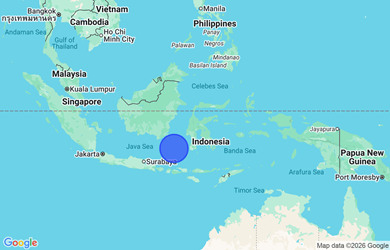
Rural
Countrywide
Businesses should be able to reach last-mile customers across the country, especially to provinces that remain highly underserved.
Sector Sources
(1) Bappenas. 2021. Indonesia's Voluntary National Review 2021. https://sustainabledevelopment.un.org/content/documents/280892021_VNR_Report_Indonesia.pdf.
(2) Republic of Indonesia. 2019. Roadmap of SDGs Indonesia Towards 2030. https://www.unicef.org/indonesia/media/1626/file/Roadmap%20of%20SDGs.pdf.
(3) SEKRETARIAT NASIONAL SDGS. 2019. Indonesia's SDG National Action Plans-RAN SDGs 2021-2024. https://sdgs.bappenas.go.id/category/dokumen/rencana-aksi-nasional-ran/.
(4) MAMPU-AIPEG. 2020. Consequences of Child Marriage in Indonesia. https://melbourneinstitute.unimelb.edu.au/__data/assets/pdf_file/0004/3491923/MAMPU-Child-Marriage-in-Indonesia.pdf
(5) BPS. 2018. 2018 Socio-economic National Survey (Susenas). https://www.bps.go.id/publication/2018/11/26/81ede2d56698c07d510f6983/statistik-kesejahteraan-rakyat-2018.html.
(6) Healthcare Resource Guide: Indonesia. 2019. The U.S. Department of Commerce’s International Trade Administration. https://2016.export.gov/industry/health/healthcareresourceguide/eg_main_108589.asp.
(7) EY Indonesia. 2017. Ripe for investment: the Indonesian health care industry post introduction of universal health coverage. https://persi.or.id/wp-content/uploads/2017/12/ripe-for-investment.pdf.
(8) Macrotrends. 2021. Indonesia Healthcare Spending 2000-2022. https://www.macrotrends.net/countries/IDN/indonesia/healthcare-spending.
(9) Republic of Indonesia. 2020. Indonesia's 2020-2024 National Medium-Term Development Plan https://katalog.data.go.id/dataset/rpjmn-tahun-2020-2024/resource/23e26880-a84f-4443-a16f-1ddb3b69cfeb.
(10) Republic of Indonesia. 2020. The 2021 GOI Work Plan. https://peraturan.bpk.go.id/Home/Details/147612/perpres-no-86-tahun-2020.
(11) Ministry of Health. 2021. Aplikasi Telemedicine Berpotensi Merevolusi Pelayanan Kesehatan di Indonesia. https://www.balaibaturaja.litbang.kemkes.go.id/read-aplikasi-telemedicine-berpotensi-merevolusi-pelayanan-kesehatan-di-indonesia.
(12) Ministry of Health of the Republic of Indonesia. 2021. The 2020-2024 Minister of Health Strategic Plans. https://farmalkes.kemkes.go.id/2021/03/rencana-strategis-kementerian-kesehatan-tahun-2020-2024/.
(13) The Ministry of Communication and Information Technology. 2016. Telemedicine Solusi Untuk Peningkatan Pelayanan Kesehatan Di Daerah Terpencil. https://www.kominfo.go.id/content/detail/7788/telemedicine-solusi-untuk-peningkatan-pelayanan-kesehatan-di-daerah-terpencil/0/sorotan_media.
(14) The Ministry of Communication and Information Technology. 2020. Kominfo Perbaharui Aplikasi PeduliLindungi Guna Penguatan Layanan Telemedis di Masa COVID-19. https://www.kominfo.go.id/content/detail/31755/kominfo-perbaharui-aplikasi-pedulilindungi-guna-penguatan-layanan-telemedis-di-masa-covid-19/0/sorotan_media.
IOA Sources
(15) Nikkei Asia. 2021. Indonesia's Halodoc closes drug delivery unit as COVID bites. https://asia.nikkei.com/Spotlight/DealStreetAsia/Indonesia-s-Halodoc-closes-drug-delivery-unit-as-COVID-bites
(16) Crunchbase. 2021. Alodokter - Funding, Financials, Valuation & Investors. https://www.crunchbase.com/organization/alodokter/company_financials.
(17) WilliamBuck. 2021. Indonesia’s digital health boom and the opportunities for Australian healthcare providers. https://williambuck.com/news/gr/health/indonesias-digital-health-boom-and-the-opportunities-for-australian-healthcare-providers/
(18) Statista. 2021. Smartphone penetration rate in Indonesia from 2017 to 2020 with forecasts until 2026. https://www.statista.com/statistics/321485/smartphone-user-penetration-in-indonesia/.
(19) Statista. 2021. Internet penetration rate in Indonesia from 2017 to 2020 with forecasts until 2026. https://www.statista.com/statistics/254460/internet-penetration-rate-in-indonesia/ (20) CekIndo. 2021. Indonesia Healthcare Market Goes Digital. https://www.cekindo.com/blog/indonesia-healthcare-digital
(21) Healthcare Resource Guide: Indonesia. 2019. The U.S. Department of Commerce’s International Trade Administration. https://2016.export.gov/industry/health/healthcareresourceguide/eg_main_108589.asp.
(22) Grand View Research. 2021. South East Asia Telehealth Market Size, Share & Trends Analysis Report By Service Type (Remote Patient Monitoring, Real-time Interactions), By Delivery Mode, By Application, By Type, By End Use, And Segment Forecasts, 2021 - 2028. https://www.grandviewresearch.com/industry-analysis/south-east-asia-telehealth-market
(23) Snoswell, C. L., Taylor, M. L., & Caffery, L. J. 2019. The breakeven point for implementing telehealth. https://doi.org/10.1177/1357633X19871403
(24) BUSINESS TIMES. 2021. Healthtech startup stays focused on the mission. https://www.businesstimes.com.sg/hub/green-business/staying-focused-on-the-mission
(25) McKinsey. 2021. Telehealth: A quarter-trillion-dollar post-COVID-19 reality?. https://www.mckinsey.com/industries/healthcare-systems-and-services/our-insights/telehealth-a-quarter-trillion-dollar-post-covid-19-reality.
(26) Vikram Kapur and Alex Boulton. 2020. Covid-19 Accelerates the Adoption of Telemedicine in Asia-Pacific Countries. https://www.bain.com/insights/covid-19-accelerates-the-adoption-of-telemedicine-in-asia-pacific-countries/
(27) The Jakarta Post. 2021. Potential and challenges of telemedicine in Indonesia - Business. http://www.thejakartapost.com/news/2021/09/07/potential-and-challenges-of-telemedicine-in-indonesia.html
(28) Cekindo. 2021. Indonesia Healthcare Market Goes Digital. https://www.cekindo.com/blog/indonesia-healthcare-digital
(29) BBC. 2022. "Good enough" simply isn’t good enough. https://www.bbc.com/storyworks/good-enough-will-never-change-the-world/good-enough-simply-is-not-good-enough
(30) Republic of Indonesia. 2021. Annexes Indonesia’s Voluntary National Review . https://sdgs.bappenas.go.id/laporan-voluntary-national-review-vnr-indonesia-2021/
(31) MNC Sekuritas. 2021. INITIATE REPORT. https://www.mncsekuritas.id/po-content/po-upload/Research/Company_Update/2021/MNCS_Initiate_Report_-_PRDA_(220721).pdf
(32) Deloitte Indonesia. 2019. 21st Century Health Care Challenges: A Connected Health Approach. https://www2.deloitte.com/id/en/pages/life-sciences-and-healthcare/articles/ehealth-publication-Indonesia.html
(33) JAKARTA GLOBE. 2021. Please, Stay at Home: Indonesia Turns to Telemedicine as New Cases Rise to 3rd Highest in the World. https://jakartaglobe.id/news/please-stay-at-home-indonesia-turns-to-telemedicine-as-new-cases-rise-to-3rd-highest-in-the-world
(34) Pringsewu Regency. 2021. ASISTEN I SETDAKAB PRINGSEWU IKUTI WEBINAR OPTIMALISASI PENGGUNAAN DAK SEBAGAI STRATEGI PENURUNAN AKI, AKB, DAN STUNTING. https://pringsewukab.go.id/detailpost/asisten-i-setdakab-pringsewu-ikuti-webinar-optimalisasi-penggunaan-dak-sebagai-strategi-penurunan-aki-akb-dan-stunting
(35) ASOSIASI ASURANSI JIWA INDONESIA. 2021. AAJI Daily News - 16 September 2021. https://aaji.or.id/Berita/aaji-daily-news---16-september-2021#:~:text=Berdasarkan%20data%20Otoritas%20Jasa%20Keuangan,yang%20mencapai%202%2C92%25.
(36) PRIMUS DORIMULU. 2019. Health Minister Vows to Fast-Track Private Hospital Permits. https://jakartaglobe.id/business/health-minister-vows-to-fasttrack-private-hospital-permits
(37) Ministry of Health. 2017. Layanan Telemedis yang disediakan. https://temenin.kemkes.go.id/layanan_medis/
(38) Republic of Indonesia. 2017. Kepmenkes No. HK.01.07/MENKES/650/2017. http://hukor.kemkes.go.id/uploads/produk_hukum/KMK_No._HK_.01_.07-MENKES-650-2017_ttg_Rumah_Sakit_dan_Puskesmas_Uji_Coba_Program_Telemedicine_.pdf
(39) Republic of Indonesia. 2022. APBN 2022. https://www.kemenkeu.go.id/media/18316/advertorial-rapbn-2022.pdf
(40) Republic of Indonesia. 2015. Minister of Health Regulation No. 90/2015. https://peraturan.bpk.go.id/Home/Details/116606/permenkes-no-90-tahun-2015
(41) Republic of Indonesia. 2019. Minister of Health Regulation 20/2019. https://peraturan.bpk.go.id/Home/Details/138613/permenkes-no-20-tahun-2019