
Explore the country and target locations of the investment opportunity.
Country
Thailand
Region
- Countrywide
- Countrywide
- Countrywide
Situate the investment opportunity within sustainability focused sector, subsector and industry classifications.
Sector
Infrastructure
Development needs
Thailand still faces significant challenges for both Goal 9 (Industry, Innovation, and Infrastructure) and Goal 11 (Sustainable Cities and Communities) according to the Sustainable Development Report 2021 (1). To have sustainable development, Thailand will have to better manage its industrial and municipal waste by improving both physical infrastructure and management systems.
Policy priority
One of the national priorities is the BCG Model (Bio, Circular, and Green Economy), which aims to promote municipal solid waste management at the community level, and also develop the technology to improve waste management efficiency and convert waste to energy (2).
Gender inequalities and marginalization issues
Waste pickers contribute to the circular economy but are informal workers without any social protection. A study conducted by the Stockholm Institute of Environment showed that waste pickers earn an average of USD 8.99 per day (THB 269.7 per day), which is lower than the minimum wage of USD 10 per day (THB 300 per day). Most of the waste pickers work 7 days a week, and work during daytime to avoid police, and especially females work during the day for safety (3).
Investment opportunities
Low waste recycling rate (33% in 2019) and urban population growth (51.43% of the total population in 2020) meant that the waste supply is growing along with higher demand for better and more efficient waste management systems and infrastructure (4), (5).
Key bottlenecks
Major challenges are lack of private investment waste management (4). In 2019, among the 355 waste disposal sites with proper management, 29 sites or 8% are privately operated (6).
Sub Sector
Waste Management
Development need
In 2019, there were a total of 2,274 functioning waste disposal sites, but only 355 or 15.6% have proper waste management, which includes sanitary landfill, engineer landfill, control dump, waste-to-energy landfill, compost, mechanical biological treatment, and refuse-derived fuel (RDF) (6).
Policy priority
The National Solid Waste Management Master Plan (2016-2021) aims to reduce the quantity of waste by reducing single-use plastic, increasing reusable materials, and promoting waste segregation for recycling. It also aims to improve the effectiveness of waste management with economies of scale, waste transport, regulations, and awareness raising (7).
Gender inequalities and marginalization issues
Women are among the most vulnerable group of informal waste pickers, getting less pay than male waste pickers, exposed to social stigma, and health hazards (8). A study by the Stockholm Institute of the Environment surveyed 34 informal waste pickers with male earning 35% more than female waste pickers (3).
Investment opportunities
In 2018, only 17.6% of key plastic resins, e.g., PET, were being recycled, which is below the 22% target of the National Plastic Waste Management Roadmap 2018-2030. With this, 2.88 million tons of plastic were discarded instead of recycled, costing USD 3.6 billion or 87% of the material value of plastics in Thailand (9).
Key bottlenecks
Although certain waste management infrastructure currently exists, cost-effectiveness remains an issue for certain types of waste, such as snack bags and plastic bags. They are feasible for recycling only if they are separated by households. From waste collection methods, snack bags and plastic bags make up less than 5% of recyclable wastes collected from households or at the source, while it is 0% for waste collected by waste pickers, scavengers, or sorting by the waste collection trucks. (10)
Industry
Waste Management
Discover the investment opportunity and its corresponding business model.
Investment Opportunity Area
Waste Management Infrastructure
Business Model
Through B2B models, companies can establish waste management infrastructure that aligns with good practices, relevant legal standards, and have operations ranging from small-scale plastic shredders to medium-scale recycling facilities to large-scale power plants that generate energy from waste incineration. The waste management infrastructure can obtain waste from informal waste collectors, municipalities and industrial plants for processing, then sell products that are processed from the wastes to generate revenue. Waste management infrastructure often applies technology or partner with a waste management platform to increase efficiency and reduce costs. This IOA will help generate income for informal waste collectors and households, help reduce marine plastic pollution for the planet, incentivize recycling and reduce waste disposal from a more efficient and feasible waste management recycling process, help decrease the burden of municipalities in managing wastes, and help create economic value from wastes. Investors can invest money in machines and infrastructure for the companies that operate waste management infrastructure.
Zero Waste Yolo is a small business , founded in 2018, that produces small-scale waste processing machines which upcycles low-value plastic waste. The machines include plastic shredder, injection, and extruder machines. It also hosts workshops, and connects demand and supply of made-to-order products from upcycled materials, such as planting pots, saucers, medals and souvenirs (1).
Precious Plastic Bangkok is a non-profit organization that is a part of the global Precious Plastic, founded in Netherland in 2013 and started in Thailand in 2016. It operates small recycling facilities that upcycle HDPE and PP plastic waste into new value-added products. It also collects plastic waste, builds awareness, organizes workshops, and provides open source information on how to make small scale plastic waste processing machines (8).
Won project by TPBI, a large packaging company with over 40 years of experience, partnered with department stores and other businesses to collect low-value flexible plastic waste and recycle them within its facilities. Recycled products include reusable plastic bags and garbage bags. In third quarter 2021, the total revenue was USD 42 million (THB 1.4 billion), 63.87% from export market and international sales in Myanmar, England, and Australia (13).
Wongpanit is a large recycling business over 48-year-experience that can recycle hazardous waste, construction materials, RDF for electricity generation, etc. Moreover, it also offers training, workshops, and franchises for entrepreneurs to invest in their own small scale recycling and waste processing facilities (17).
Qualy is a 100% Thai-designed product brand that focuses on reducing waste and turning waste into creative and useful products. The company exports its products to 50 countries globally. The company uses the concept of sustainability in product design and development, taking into account the economy, society and environment. It aims to improve resource efficiency using principles of circular economy by recycling plastic waste and expanding cooperation with key stakeholders to improve awareness around conservation and waste management-related challenges (24).
Learn about the investment opportunity’s business metrics and market risks.
Market Size and Environment
Market Size (USD)
> USD 1 billion
In 2018, only 17.6% of key plastic resins were being recycled. This meant that 2.88 million tons of plastic were discarded instead of recycled and cost 3.6 billion USD or 87% of the material value of plastics in Thailand (2).
Indicative Return
GPM
> 25%
From expert interviews, the profit margin for small scale waste management infrastructure is around 30%. The profit margin can increase for waste management infrastructure of larger scales.
Investment Timeframe
Timeframe
Short Term (0–5 years)
From expert interviews, the ticket size of around USD 333,333 (THB 10 million) allows for short investment timeframe.
Ticket Size
Average Ticket Size (USD)
< USD 500,000
Market Risks & Scale Obstacles
Market - Volatile
The prices for buying recyclable wastes can be expensive due to logistics cost, and can fluctuate a lot depending on the oil price and cost of producing virgin plastic. Low cost of producing virgin plastic also discourage recycling.
Business - Supply Chain Constraints
Ineffective waste segregation and management make the logistics and recycling costs high.
Read about impact metrics and social and environmental risks of the investment opportunity.
Sustainable Development Need
In 2019, according to the Pollution Control Department, Thailand generated 25.37 million tons of municipal solid waste with only 36% of the total being properly managed, and 33% of the total being recycled (3).
The remaining 31% of municipal solid waste is often illegally disposed of by open dumping, leading to marine plastic pollution, and open burning, contributing to air pollution (3).
In 2018, only 17.6% of key plastic resins were being recycled, which is below the 22% target of the National Plastic Waste Management Roadmap 2018-2030. Thus, 2.88 million tons of plastic were discarded, costing USD 3.6 billion or 87% of the material value of plastics in Thailand (2).
In 2016, it was estimated that 51,000 tons of plastic waste ended up in Thai waters each year, contributing to marine plastic pollution (18).
Gender & Marginalisation
Wealthy areas have more access to better waste management infrastructure and capacity than rural and lower income areas.
Women are among the most vulnerable group of informal waste pickers, getting less pay than male waste pickers, exposed to social stigma, and health hazards (9).
Women generally have lower employment opportunities in waste management businesses (14).
Expected Development Outcome
Better recycling facilities can help increase capacity, effectiveness, and efficiency of the recycling process, which will help the value chain capture the cost of plastic waste that is disposed of in landfills or leaked into bodies of water as marine pollution.
Small scale recycling or waste processing facilities can help increase the coverage of waste management systems in remote areas.
Small scale recycling or waste processing facilities can incentivize proper waste segregation and recycling, as the plastic waste can be upcycled into value-added products to generate income for local communities. As there is higher waste segregation and recycling, the amount of plastics that are discarded and wasted can be reduced, thus reducing marine plastic pollution and converting the deadweight loss from wasted plastics into economic value.
Gender & Marginalisation
Investment in waste management infrastructure can help reduce waste in rural and lower income areas.
Informal waste pickers can benefit from small scale recycling or waste processing facilities from having higher value added to the pre-processed wastes.
Investment decision with a guidance to prohibit discrimination in all forms, especially in hiring, could help promote equality.
Primary SDGs addressed
11 - Sustainable Cities and Communities
11.6.1 Proportion of municipal solid waste collected and managed in controlled facilities out of total municipal waste generated, by cities
Current Value
In 2019, only 36% of the total municipal solid waste is being properly managed (3).
Target Value
According to the National Waste Management Master Plan (2016-2021), more than 75% of municipal solid waste should be properly disposed of by 2021 (4) and there is no target level as the Master Plan ended in 2021. Thailand has set target for overall waste management index that include municipal solid waste, infectious waste and hazardous waste to be 0.95 by 2037 (waste management index was at 0.63 in 2018) (22).
12 - Responsible Consumption and Production
12.4.2 (a) Hazardous waste generated per capita; and (b) proportion of hazardous waste treated, by type of treatment
12.5.1 National recycling rate, tons of material recycled
Current Value
In 2020, 1.23 tons of hazardous waste was safely disposed of in Thailand, from an original goal of 1.35 tons (10).
In 2019, 8.36 million tons or 33% of municipal solid waste was recycled, out of a total of 25.37 million tons (3).
Target Value
According to the National Waste Management Master Plan (2016-2021), 100% of all hazardous industrial waste and more than 30% of municipal hazardous waste should be collected and properly disposed of by 2020 (4).
According to the Roadmap on Plastic Waste Management (2018 - 2030), 100% of target plastic waste will be recycled by applying the Circular Economy Principle by 2027 (15).
Secondary SDGs addressed
14 - Life Below Water
Directly impacted stakeholders
People
Households have more incentive to recycle, as processed waste can be sold for a higher price.
Gender inequality and/or marginalization
Informal waste collectors benefit from having higher income from pre-processed wastes using small scale waste processing facilities.
Planet
Greenhouse gas reduction from recycling and less production of plastic products, and less marine plastic pollution.
Corporates
Higher recycling capacity and more coverage of recycling operations reduce the cost of recycling and transportation.
Public sector
Help achieve higher recycling rates and reduce waste disposal.
Indirectly impacted stakeholders
People
People have more awareness of waste segregation, and can have access to lower priced recycled products.
Gender inequality and/or marginalization
Women tend to have higher engagement in recycling, reusing and waste reduction, and can earn additional income from selling waste generated within their households.
Planet
Reduction in air pollution from burning of waste, and less waste can also help conserve areas used for landfill sites.
Corporates
Drive demand and feasibility for products that use recycled contents as raw materials.
Outcome Risks
Recycling facilities can be concentrated in major cities and industrial areas where many businesses are located, and do not cover rural areas.
Better recycling capacity may disincentivize people from using reusable products or from reducing waste generation.
Recycling can still only focus on high-value recyclable waste and neglect low value recyclable waste, such as flexible packaging due to cost-effectiveness issue.
Gender inequality and/or marginalization risk: Women face social stigma from participating in waste management activities, which is not addressed by this IOA.
Impact Risks
External risk: Price of raw materials can affect recycling as a decline in price of raw materials makes its cheaper to produce virgin plastic and makes recycling less feasible.
Efficiency risk: Achieving full potential of recycling depends on effective waste segregation and management systems.
Gender inequality and/or marginalization risk: Women generally have lower employment opportunities in waste management businesses, which is not addressed by this IOA. (14)
Impact Classification
B—Benefit Stakeholders
What
Significant and positive outcomes as an increase in waste management infrastructure at various scales will increase efficiency and reduce costs of products containing recycled contents.
Who
Households and producers benefit from improved and greater coverage of recycling infrastructure.
Risk
Efficiency of recycling process can be negatively affected by other parts of the value chain, including manufacturing, waste segregation and waste transportation.
Contribution
Additional contribution is likely better than base case as there are exisiting waste managemen infrastructure in Thailand, but are insufficient and are not fully effective.
How Much
Scale: 2.88M tons of plastic were discarded in 2018, while only 33% of municipal solid waste were recycled in 2019 (2,3). Depth: Improving waste disposal sites to be functional and properly managed are crucial. Duration: Long-term
Impact Thesis
This IOA helps increase resource efficiency and circular economy by recycling waste into new products.
Explore policy, regulatory and financial factors relevant for the investment opportunity.
Policy Environment
BCG Model (Bio, Circular and Green Economy): Aims to promote community-based municipal solid waste infrastructure to achieve economies of scale, are located in suitable areas based on proper assessment, and must follow measures to limit impact on the environment and communities (5). This policy supports the IOA by promoting investment in waste management infrastructure that are fully functioning and can properly manage the wastes.
National Solid Waste Management Master Plan 2016-2021: Aims to improve effectiveness and efficiency of the waste value chain through waste segregation, economies of scale, and better regulations that incentivize proper waste management (4).
Roadmap on Plastic Waste Management 2018-2030: Sets 100% recycling rate for targeted plastic waste by 2027 (15). This policy supports the IOA by driving investment in waste management infrastructure in order to achieve the recycling target.
National Action Plan for Plastic Waste Management: Aims to reduce plastic waste by reduction of plastic waste at sources, reduction of single-use plastic at consuption process, and post consumption plastic waste management (19). This policy supports the IOA by promoting proper waste segregation that will increase efficiency of waste recycling and increase incentives for investment in waste management infrastructure.
Financial Environment
Financial incentives: Communities can invest in small scale waste management infrastructure with the money from the Village Fund, which is government allotted funding that is given annually to each community (7).
Fiscal incentives: Board of Investment (BOI) Promotion provides 5-8 years or more of Corporate Income Tax exemption, import duty exemption on machinery and raw materials, and other non-tax incentives for recycling and reuse of unwanted materials, and waste treatment or disposal (11).
Other incentives: Environment Fund was established under the Enhancement and Conservation of National Environmental Quality Act (1992) to provide interested stakeholders funding of up to USD 166,667 for projects within the focus areas, including waste management (23).
Regulatory Environment
Enhancement and Conservation of National Environmental Quality Act 1992 requires planning for environmental management, monitoring environmental quality, and allows for local authorities to invest and operate waste disposal facilities (6). This regulation supports the IOA by enabling local government to invest in waste management infrastructure that is compatible to the local context.
Public Health Act 1992 allows for local authorities to oversee management of and maintain the collection, transportation, and disposal of sewage and solid waste within the locality (6). This regulation supports the IOA by allowing local government to develop their own waste management system and infrastructure.
Act on the Maintenance of the Cleanliness and Orderliness of the Country 1992 prohibits littering in public spaces and in waterways. In 2017, it was amended to allow local authorities to collect and manage waste under supervision of provincial authorities and the Ministry of Interior (16). This regulation is relevant to the IOA by giving local government independence in waste management.
Notification of the Ministry of Public Health No.295 (2005) regulates qualities for containers made from plastic. Clause 8 prohibits the use of plastic containers made from re-used plastic except for using to pack fruits with a peel, meaning that water bottles must be made from virgin plastic (20). This regulation drives production of virgin plastics instead of driving recycling, which is an relevant to IOA as it can affect investment in different type of waste management infrastructure, such as waste disposal sites or recycling facilities.
Foreign Business Act (FBA) 1999 stipulates eligibility criteria for foreign businesses in Thailand. Renewable energy production is not restricted by FBA, but foreign businesses must obtain a BOI investment promotion certificate to own land used in energy production (21). This regulation is relevant to the IOA as foreign investment will have to comply to the legal requirements.
Discover examples of public and private stakeholders active in this investment opportunity that were identified through secondary research and consultations.
Private Sector
Informal Waste Collectors Association (สมาคมซาเล้งและร้านรับซื้อของเก่า), TPBI, SCG, Indorama Ventures, PTTGC, Wongpanit, Zero Waste Yolo
Government
Pollution Control Department (PCD), Department of Environmental Quality Promotion (DEQP), Board of Investment (BOI), Digital Economy Promotion Agency (DEPA), Bangkok Metropolitan Area (BMA), municipalities responsible for waste management for local districts (12).
Multilaterals
Asian Development Bank (ADB), International Finance Corporation (IFC)
Non-Profit
Precious Plastic Bangkok, Trash Hero, Stockholm Environmental Institute, Thailand Institute of Packaging and Recycling Management, Terracycle Thai Foundation
Public-Private Partnership
Public Private Partnership for Sustainable Plastic and Waste Management
See what country regions are most suitable for the investment opportunity. All references to Kosovo shall be understood to be in the context of the Security Council Resolution 1244 (1999)
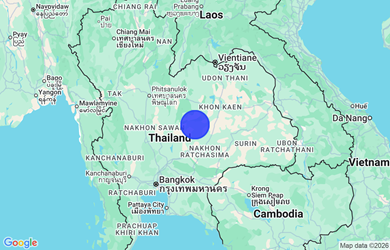
Urban
Countrywide
Waste management infrastructure is needed throughout the whole country. In top tier provinces, highly urbanized areas with high population density can generate large volumes of waste. In such areas, large scale waste management infrastructure may be appropriate as economies of scale can be achieved to increase efficiency of recycling. Eastern Economic Corridor (EEC) is also located in top tier provinces, which are industrial areas that generate large volumes of waste and have demand for large-scale waste management infrastructure. Moreover, projects within EEC are also eligible for BOI incentives.
Semi-urban
Countrywide
In second tier provinces and remote areas, small scale waste management infrastructure is more appropriate to decrease investment size and lower transportation costs.
Rural
Countrywide
In second tier provinces and remote areas, small scale waste management infrastructure is more appropriate to decrease investment size and lower transportation costs.
Sector Sources
1) https://s3.amazonaws.com/sustainabledevelopment.report/2021/2021-sustainable-development-report.pdf
2) http://stiic.sti.or.th/wp-content/uploads/2018/10/BCG_Final1.pdf
3) https://cdn.sei.org/wp-content/uploads/2021/07/210719a-mckay-caparas-2106i.pdf
4) https://www.sea-circular.org/wp-content/uploads/2020/04/SEA-circular-Country-Briefing_THAILAND.pdf
5) https://data.worldbank.org/indicator/SP.URB.TOTL.IN.ZS?locations=TH
6) https://www.pcd.go.th/publication/14745/
7) http://infofile.pcd.go.th/waste/WasteMasterPlan.pdf?CFID=1614347&CFTOKEN=55860890
10) https://wwfint.awsassets.panda.org/downloads/zero_plastic_waste_in_thailand_en.pdf
IOA Sources
1) https://www.zerowasteyolo.com/
3) https://www.pcd.go.th/publication/14745/
4) http://infofile.pcd.go.th/waste/WasteMasterPlan.pdf?CFID=1614347&CFTOKEN=55860890
5) http://stiic.sti.or.th/wp-content/uploads/2018/10/BCG_Final1.pdf
7) https://www.thaiscience.info/journals/Article/TQR/10974658.pdf
8) https://www.greenery.org/articles/wastesidestory-precious-plastic/
10) https://sustainabledevelopment.un.org/content/documents/279482021_VNR_Report_Thailand.pdf
11) https://www.boi.go.th/upload/content/BOI-A%20Guide_EN.pdf
12) http://infofile.pcd.go.th/waste/AIT060509_sec4.pdf
13) https://www.tpbigroup.com/th/investor-relations/financial-statement#133-2564
14) https://www.oecd.org/dac/gender-development/1849277.pdf
15) https://www.pcd.go.th/wp-content/uploads/2021/10/pcdnew-2021-10-19_08-59-54_995414.pdf
16) http://web.krisdika.go.th/data/document/ext809/809966_0001.pdf
17) http://www.wongpanit.com/about
18) https://oceanconference.un.org/commitments/?id=18208
21) https://www.dbd.go.th/dbdweb_en/ewt_dl_link.php?nid=4047
23) http://envfund.onep.go.th/backoffice/uploads/detail/meuns_left/details/file_id_29_2020-01-24.pdf