
Explore the country and target locations of the investment opportunity.
Country
Thailand
Region
- Countrywide
- Countrywide
Situate the investment opportunity within sustainability focused sector, subsector and industry classifications.
Sector
Transportation
Smaller disparate public transportation systems that can be connected together. Not only would it benefit the environment, but also tourism and economic development of those top tier cities. However, there is also a need in semi-urban areas to connect people living in those areas to city centers.
Policy priority
The 20 Years Thailand Transport System Development Strategy (2018-2037) aims to improve transport and logistic efficiency, reduce costs, increase accessibility to transportation services considering affordability and equity, increase the use of clean/alternative energy, and increase safety (4).
Gender inequalities and marginalization issues
Public transportation in major cities especially in the Bangkok Metropolitan Region is more available, more accessible, and more expansive than in small cities as seen in how the electric railway system is exclusively available only in Bangkok. This creates both economic and social inequalities between large and small cities (5).
Investment opportunities
Thailand’s logistics industry was the 4th largest industry in the country’s service sector, accounting for 5% of GDP (6). The government has made transportation one of its top priorities and invested close to USD 133 billion (THB 4 trillion) in transport infrastructure in recent years (7).
Examples include the Public Transportation System Master Plan in the Eastern Economic Corridor (EEC), the Khon Kaen City Bus Project, and the Phuket Smart Bus Project (8). Thailand also had the largest B2C e-commerce sector in ASEAN region in 2019 with even stronger growth prospects led by the pandemic.
For overall ASEAN, the growth of online shopping is expected to nearly triple in 2025 compared to 2020 (9).
Key bottlenecks
The government will have to invest in transport infrastructure as a foundation, in order to incentivize private investments in the transportation sector. Moreover, incentives for the people to use public transportation is needed as the private mode is still a major mode of travel, even in Bangkok that has the most extensive public transportation infrastructure.
Mode of travel in Bangkok in 2017 showed that the proportion of private mode is around 69%, while the public mode is around 24% (5).
Sub Sector
Land Transportation
Development need
An inefficient and limited rail mass transit system leads to dependency on road transportation in Thailand (8). In 2018, there were around 1 billion passengers traveling by road (61.5%), while rail and electric rail accounted for 37 million (2.2%) and 395 million passengers (23.8%), respectively (10).
Transforming the transport sector will have the greatest impact in major cities where the transport demand and activities are most concentrated.
Policy priority
The government has set a target of increasing the proportion of the population traveling with public transportation in the Bangkok Metropolitan Region to 60% and in provincial regions to 20% by 2037 (11).
Gender inequalities and marginalization issues
Certain modes of public transportation, such as the electric railway are not affordable to low-income individuals even when they have access to the service. Compared between minimum wage and mass transit fares, Thai people must work for 26 minutes for the cheapest ticket and 1 hour and 48 minutes for the highest-fare ticket.
On the other hand, people in Paris must work for 12 minutes to pay for public transport ticket, people in New York must work for 14 minutes for the subway ticket. Also, when comparing the cost of electrified train service fares to purchasing power parity showed Thai people pay a much higher rate than other countries.
Thai people pay on average USD 0.94 per ride (THB 28.30 per ride), which is more than 50% higher than people in Singapore who pay on average USD 0.44 per ride (THB 13.33 per ride) and people in Hong Kong who pay on average USD 0.56 per ride (THB 16.78 per ride). (12)
Key bottlenecks
Private sector investments in public transportation, infrastructure and telecommunication projects amount to 12.5% of the total investment value, which is lower than the 20% expected by the government (8). Public transportation systems are also fragmented, making integration to lower fares difficult.
Industry
Road Transportation
Discover the investment opportunity and its corresponding business model.
Investment Opportunity Area
Smart Mobility Platform for Passengers and Freight Logistics
Business Model
Through B2B and B2C models, companies can develop digital platform that offer services to connect different modes of transportation and operators for both passengers and freight logistics (e.g. ride sharing services, mobility as a service, logistics management platform, etc.), and generate revenue from the service fees.
This IOA will help provide additional income for drivers, increase convenience and efficiency for passengers, help reduce inequality in terms of access to public transportation, and help the planet by reducing greenhouse gas emissions and air pollution in the transportation sector. Investors can invest money in companies that develop the smart mobility platform. Some companies that are active in this space are:
Muvmi is a ride sharing platform that deploys electric 3-wheeled vehicles focusing on connecting passengers within small areas to mass transit. Muvmi addresses the pain point for many people living in small streets and alleys that do not have direct access to public transportation or mass transit. The application was originated from PMCU’s Chula Smart City project in 2018. The service was expanded to six areas around Bangkok, more than 1000 stops and over 1 million passengers in 2021 (1).
We Move is a logistics management platform , officially started in 2020 that connects freelance truck drivers with users that need logistic services. We Move addresses the pain point of having empty loads during the return trip of many truck drivers by providing full-truck loads and space-sharing truck loads. In 2021, We Move has a service system on application and website (10).
Learn about the investment opportunity’s business metrics and market risks.
Market Size and Environment
Market Size (USD)
> USD 1 billion
Average monthly household expenditure = 21,346 THB (USD 711). 17.7% is spent on transportation (2). Average monthly household expenditure on transportation = 21,346 * 0.177 = 3,778.24 THB (USD 126) Total households in 2010 (collected every 10 yrs) = 2,523,470 households Total household transportation expenditure in 2018 = 3778.24 * 12 * 2,523,470 = 114,411,303,513.6 THB (USD 3.8 billion )
Passengers traveling by road in 2018 = 61.5% (11). Total household road transportation expenditure in 2018 = 114,411,303,513.6 * 0.615 = 70,362,951,660.864 THB or Approx. 70.36 billion THB (USD 2.3 billion) Total logistics transportation cost in 2018 = 1102.6 billion THB (USD 36.6 billion) (12). Road logistics transportation cost in 2018 = 26/50.4 = 51.59%
Total road logistics transportation cost in 2018 = 1102.6 * 0.5159 = 568.8 billion THB (USD 19 billion) Total expenditure on road transport in 2018 (household + logistics) = 70.36 + 568.8 = 639.16 billion THB (USD 21.3 billion).
Indicative Return
ROI
10% - 15%
According to our expert survey, ROI for a smart mobility platform is between 10-15%. This IOA with business to consumer model requires a high marketing cost due to a highly competitive market.
Investment Timeframe
Timeframe
Short Term (0–5 years)
According to our expert survey, investment timeframe of smart mobility platform is expected to be between 0-5 years.
Ticket Size
Average Ticket Size (USD)
USD 500,000 - USD 1 million
Market Risks & Scale Obstacles
Business - Supply Chain Constraints
The IOA may be feasible only in major cities where traffic has the highest density. This IOA may be limited to people that have access to internet and smart phones.
Partnerships with Local Stakeholders
The IOA will need partnerships with the government and other stakeholders to fully utilize the mobility data that is being collected to create the biggest impact.
Localization of Business Model
The IOA requires a high degree of localization to the context of each city, as there are different modes of transportation and networks of stakeholders.
Read about impact metrics and social and environmental risks of the investment opportunity.
Sustainable Development Need
In 2020, Thailand's transportation sector emitted 70.5 million tons of CO2 or 28.8% of the total CO2 emissions (3). This number is expected to increase with economic development, and along with growth in e-commerce and logistics.
Access to the public transportation system is mostly limited to city centers with only 24% of the urban population having convenient access to the public transportation system (7).
Insufficient public transportation leads to a high number of private vehicles, which caused over 45,000 road accidents in 2018 (11), bad traffic congestion, and contributing to 27.4% and 23.0% of total PM 2.5 air pollution during wet and dry seasons (16), respectively.
Gender & Marginalisation
The disparity of public transport services negatively impact social equity (4). Low income individuals are likely to have less access and lower affordability to public transportation.
People with disabilities and the elderly still cannot access the public transportation services due to a lack of disability-inclusive designs (13).
Expected Development Outcome
More efficient transportation for both passengers and logistics can help reduce greenhouse gas emissions.
Smart mobility platform can utilize the sharing economy to help connect between private modes of transportation in outskirt of cities to public transportation in city centers.
Smart mobility platform can make encourage increase use of public transportation from higher efficiency and convenience, which can help reduce urban air pollution from reduced private modes of transportation.
Gender & Marginalisation
More efficient public transportation from smart mobility can help reduce passenger fares, which can increase access for low income individuals.
Vulnerable groups including elderlies, pregnant women and children have less health risks from exposure to urban air pollution.
Providing public transport infrastructure and balancing the distribution of public transportation networks allow people to access material assets, social connections, and opportunities for jobs, including an enhanced quality of life through the freedom of movement.
Primary SDGs addressed

3 - Good Health and Well-Being
3.9.1 Mortality rate attributed to household and ambient air pollution
Current Value
Environmental Benefits Mapping and Analysis Program (BenMAP) showed that PM2.5 concentrations in Bangkok contribute to 4,240 non-accidental, 1,317 cardiopulmonary, and 370 lung cancer mortalities annually (5).
Target Value
Air quality is incompliant with the national requirements for 90% of all areas by 2037 (6). Further analysis in BenMAP showed that the attainment of PM2.5 levels to the NAAQSs and WHO guideline would reduce annual premature mortality in Bangkok by 33%and 75%, respectively (7)
11 - Sustainable Cities and Communities
11.2.1 Proportion of population that has convenient access to public transport, by sex, age and persons with disabilities
Current Value
24% of the urban population has convenient access to the public transportation system (7).
Target Value
Ensure accessibility and affordability of public transport for everyone and improve public transport, taking into account vulnerable groups such as elderly, children, women and people with disabilities by 2037 (13).
13 - Climate Action
13.2.2 Total greenhouse gas emissions per year
Current Value
The transport sector contributes 70.5 million tons of CO2 or 28.8% of the total CO2 emissions in 2020 (3).
Target Value
Transport sector has a potential to reduce 41 million tCO2e by 2030 (17).
Increasing the proportion of the Bangkok Metropolitan population traveling with public transport to 60% and provincial population to 20% by 2037 (6).
Secondary SDGs addressed
8 - Decent Work and Economic Growth
Directly impacted stakeholders
People
Passengers have more access to both public and private transportation. Drivers can have more income from more efficient use of their private vehicles. Less air pollution help reduce health risks for everyone.
Gender inequality and/or marginalization
Low income individuals can have better access to transportation from increased coverage of multi-modal transportation, and lower fares in public transportation from higher efficiency. Vulnerable groups including elderlies, pregnant women and children have lower health risks from reduced air pollution.
Planet
Less use of private vehicles will help reduce greenhouse gas emissions.
Corporates
Smart mobility platform providers, commercial transport service providers, logistics companies.
Public sector
Public transport becomes more efficient, more affordable, improving passenger carrying capacity, and decreasing traffic congestion.
Indirectly impacted stakeholders
People
-
Gender inequality and/or marginalization
Smart mobility can integrate technologies such as cameras and location tracking into modes of transportation, which can increase security and encourage more women to use public transportation.
Planet
-
Corporates
Less dependency on private vehicles can affect sales of automobile companies.
Public sector
-
Outcome Risks
Smart mobility platforms mostly focus on efficiency and can overlook sustainability. Existing vehicles will stay internal combustion engines without incentives to reduce prices of electric vehicles.
Smart mobility platforms mostly focus on efficiency and can overlook road safety. Drivers can have dangerous driving behaviors to deliver more trips and lead to higher road accidents.
Gender inequality and/or marginalization risk: Smart mobility platform can exclude those that do not have acecss to internet, such as the elderlies, and does not address universal design.
Impact Risks
Endurance risk: Businesses in smart mobility can face financial problems and cannot be self-sustained for long periods of time.
Execution risk: Smart mobility platforms face high competition from a highly saturated market. New market entries will need large capital to establish users and can lead to losses in the early stage.
Gender inequality and/or marginalization risk: In using public transportation, women can have higher risks in terms of personal safety and acts of violence than men. Also, jobs in logistics such as truck drivers can require driving during night time and taking rest at rest stops, which often lack security measures to protect women from acts of violence.
These factors may discourage women from benefitting from smart mobility platform and lead to gender inequality.
Impact Classification
C—Contribute to Solutions
What
Smart mobility platforms reduce greenhouse gas emissions, air pollution, and traffic congestion by helping both passengers and products be transported more conveniently and efficiently.
Who
Passengers can efficiently utilize multi-modal public and private transportations to reduce travel time and cost, while logistic service providers can efficiently plan routes and cargo space.
Risk
Smart-mobility platforms face high competition from a saturated market, which requires long-term access to financing. Moreover, a transition to electric vehicles is mainly based on cost factors.
Contribution
Additional contribution is likely much better than base case as there is high interests from public sector in forming public-private partnerships, and has potential for broad array of applications.
How Much
Scale: 60% of population in Bangkok and 20% of provincial population travel using public transportation by 2037 (6). Depth: Reduce GHG emissions from transport sector by 41 million tons CO2e by 2030, or from 70.5 million tons CO2e in 2020 to 2
Impact Thesis
Smart mobility platforms allow for passengers and products to be efficiently transported resulting in cost savings, economic growth, and less greenhouse gases, air pollution, and traffic congestion.
Explore policy, regulatory and financial factors relevant for the investment opportunity.
Policy Environment
Thailand 4.0 Policy: Aims to support use of technology, and increase innovation in many economic sectors. This policy support the IOA by promoting the logistics industry, investing in transport infrastructure for both rail, road, and air transportation (8).
20 Years Thailand Transport Systems Development Strategy (2018-2037) aims at growing the Thai economy through further development in transport infrastructure for rail, road, water, and air while also taking into account sustainability, safety, inclusivity, and efficiency (14). This policy support the IOA by providing improves to transport infrastructure that improve efficiency of smart mobility.
Thailand Logistics Development Strategy No.3 (2016-2021) has the objectives of enhancing supply chain, trade facilitation, and capacity building of human resources. The Strategy will focus on 3 areas: supply chain value added, infrastructure and facilities, and human resources and innovation (18). This policy supports the IOA by enhancing the human resources and infrastructure for smart mobility.
Digital Economy Promotion Agency (DEPA) Master Plan (2018-2022) aims to promote digital transformation and growth for tech-companies and start-ups, and to promote smart city (smart mobility), and big data utilization for businesses and cybersecurity (19). This policy supports the IOA by promoting innovation and start-ups including smart mobility.
Financial Environment
Financial incentives: Digital Economy Promotion Agency's (DEPA) Digital Transformation Fund provides up to USD 100,000 (3 million baht) for digital transformation projects including AI, intelligent applications, internet of things, digital platform, etc (https://www.depa.or.th/th/smart-city-plan).
Fiscal incentives: Board of Investment Promotion offers offers 5 - 8 years or more of corporate income tax exemption, import duty exemption on machinery and raw materials, and other non-tax incentives for international distribution center (DC), smart DC, and smart mobility systems and services (15).
Regulatory Environment
Vehicle Act, B.E. 2522 (1979) recognizes the legal status of passenger mobility platform services, and regulates the prices as well as safety and hygiene conditions (9). This regulation is relevant to the IOA as it provides framework in regulating smart mobility.
Discover examples of public and private stakeholders active in this investment opportunity that were identified through secondary research and consultations.
Private Sector
Smart mobility platform providers (i.e. Muvmi, We Move, Grab) ; drivers of vehicles for hire, i.e. taxis, mortocycles, tuk-tuks; railway system operators; corporate venture capitalists (i.e. Yamaha Motor Ventures & Laboratory Silicon Valley, Krungsri Finnovate)
Government
Ministry of Transportation, EEC Office, Digital Economy Promotion Agency, Bangkok Metropolitan Administration, public transportation operators i.e. Bangkok Mass Transit Authority. State Enterprise Policy Office.
Multilaterals
Asian Development Bank (ADB), International Finance Corporation (IFC)
Non-Profit
-
Public-Private Partnership
NIA Deep Tech Incubation Program
See what country regions are most suitable for the investment opportunity. All references to Kosovo shall be understood to be in the context of the Security Council Resolution 1244 (1999)
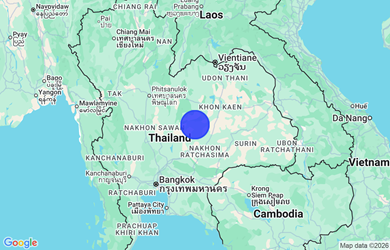
Urban
Countrywide
Smart mobility platforms can achieve the greatest impact in major cities that have the highest urbanization, concentration of people, transport activities, and demand. Other top tier provinces besides Bangkok do not have the mass rail transit system, but instead have
Semi-urban
Countrywide
Smaller disparate public transportation systems that can be connected together. Not only would it benefit the environment, but also tourism and economic development of those top tier cities. However, there is also a need in semi-urban areas to connect people living in those areas to city centers.
Sector Sources
2) http://www.eppo.go.th/index.php/en/en-energystatistics/co2-statistic
3) https://thainews.prd.go.th/en/news/detail/TCATG211026104432879
4) https://www.unescap.org/sites/default/files/Country%20presentation%20-%20Thailand_3.pdf
5) https://www.mdpi.com/2071-1050/12/24/10382
6) https://www.bangkokpost.com/business/2201811/thailands-vibrant-post-pandemic-logistics-outlook
7) https://www.mot.go.th/file_upload/2560/InfrastructureOpportunities_under_Thailand_4.0.pdf
8) https://sustainabledevelopment.un.org/content/documents/279482021_VNR_Report_Thailand.pdf
9) https://www.bangkokpost.com/business/2201811/thailands-vibrant-post-pandemic-logistics-outlook
10) https://stat.mot.go.th/wp-content/uploads/2020/12/Transport-Statistics-2018-Complete.pdf
11) http://nscr.nesdb.go.th/wp-content/uploads/2019/12/สรุปเป้าหมาย-Update-04-12-2562.pdf
12) https://so06.tci-thaijo.org/index.php/umt-poly/article/view/248607/168667
13) https://www.nesdc.go.th/nesdb_en/download/article/article_20201112144736.pdf
IOA Sources
1) https://www.muvmi.co/en/about-us
2) http://www.nso.go.th/sites/2014en/Survey/social/household/household/2018/Sum_EcoSocio61.pdf
3) http://www.eppo.go.th/index.php/en/en-energystatistics/co2-statistic
4) https://www.mdpi.com/2071-1050/12/24/10382
5) https://www.mdpi.com/1660-4601/17/19/7298/html
7) https://sustainabledevelopment.un.org/content/documents/279482021_VNR_Report_Thailand.pdf
9) http://web.krisdika.go.th/data/outsitedata/outsite21/file/Vehicle_Act_BE_2522_(1979).pdf
10) https://www.wemove.co.th/Services
11) https://stat.mot.go.th/wp-content/uploads/2020/12/Transport-Statistics-2018-Complete.pdf
12) https://www.nesdc.go.th/nesdb_en/download/article/article_20201112144736.pdf
13) https://s3.amazonaws.com/sustainabledevelopment.report/2021/2021-sustainable-development-report.pdf
14) https://www.mot.go.th/file_upload/2560/InfrastructureOpportunities_under_Thailand_4.0.pdf
15) https://www.boi.go.th/upload/content/BOI-A%20Guide_EN.pdf
16) https://journals.sagepub.com/doi/10.1177/1178622120978203
17) http://www.oic.go.th/FILEWEB/CABINFOCENTER38/DRAWER027/GENERAL/DATA0000/00000853.PDF
18) https://www.nesdc.go.th/download/document/logistic/plan3.pdf
19) https://www.depa.or.th/storage/app/media/file/depa-Promotion-Plan-Book61-65.pdf