
Explore the country and target locations of the investment opportunity.
Country
Thailand
Region
- Countrywide
- Countrywide
- Countrywide
Situate the investment opportunity within sustainability focused sector, subsector and industry classifications.
Sector
Food and Beverage
Development needs
In the food value chain, farmers face significant challenges including climate change, high labor and production costs, lack of production planning and management, and low productivity (1). 40% of farm households also do not have land ownership and 42% lack of access to water resource.
Also 26% of farming households have access to irrigation system, which are mostly concentrated in central region of Thailand (2).
Policy priority
Many of Thailand's national policies, such as Thailand 4.0 (3), 13th National Economic and Social Development Plan (4), and Bio, Circular and Green Economy Model (5) aim to improve the livelihood of farmers through technology integration, and good production planning and management.
Gender inequalities and marginalization issues
Approximately 40% of farming households in Thailand are living below the national poverty line of USD 1,066.7 (THB 32,000) per year, and the farming population between 40-60 years old increased from 39% of the workforce in 2003 to 49% in 2013 (2).
Investment opportunities
Agricultural sector is a key sector in Thailand accounting for approximately USD 43.4 billion or around 8.65% of Thailand's GDP in 2020 and employs about 30% of Thai labors (6). Thus, the Thai government has promoted and supported this sector since the first National Economic and Social Development Plan.
Thailand Board of Investment (BOI) provides incentives including exemption of corporate income tax, import duties on machinery, import duties on raw materials used in R&D, import duties on raw materials used in production for export, and non-tax incentives.
Key bottlenecks
Agricultural crops, which often have low value, high risk, and high price volatility, while most of the value added is captured by middlemen and downstream players in the value chain (1). Around 60% of farming households grow one crop per year despite irrigation systems in the Central region allowing year round crop.
Most farmers also plant monoculture rotation with in-season rice and off-season rice accounting for 88% of all monoculture rotation (2).
Sub Sector
Food and Agriculture
Development need
According to research by Attavanich et al. (2019), Chantarat et al. (2019), Kasikorn Research Center (2019), Rodyong (2019), Kanjanavisut (2020), Soni (2016), and Ricult (2020), farmers face low value added to their crops, low market power from having low influence on the price of their crops, lack of market channels, price undercutting by middlemen, and high logistics costs (1).
Policy priority
The 20 Years Agricultural and Co-Operative Strategy (2017-2036) aims to increase the income of farmers through good management practices, sustainable and smart farming methods, and business administration education to help farmers become entrepreneurs (7).
Gender inequalities and marginalization issues
Many of Thailand's Indigenous communities are involved in agriculture and are often located in rural areas. In 2019, 31.4% of all female workers are employed in the agricultural sector (8).
Investment opportunities
In 2019, the agricultural sector employs approximately 30% of the total workforce (6) and covers 23.88 million hectares (149.25 million rais) or 46.5% of the total land in Thailand (9). The government has prioritized smart farming technologies and expertise as critical elements to restructure and reskill the agricultural sector to increase farm yields and lower production costs. Board of Investment (BOI) promotes the transition of the agriculture sector to agriculture 4.0 by providing smart farming incentives to interested investors. Eligible businesses are such as manufacturers of smart farming equipment and services that enable digitization of farming. A five-year corporate income tax (CIT) exemption will be granted with no annual limit.
Manufacture of electronic control and measurement instruments or their parts for agricultural use receives an eight-year CIT exemption (10).
Key bottlenecks
In 2017, around 50% of farming households owned less than 1.6 hectares (10 rais) of land, and together with a lack of production planning and management, resulted in 50% of the farming households being below the average productivity level (2).
Industry
Agricultural Products
Discover the investment opportunity and its corresponding business model.
Investment Opportunity Area
Smart Farming and Precision Agriculture
Business Model
Through the B2B and B2C models, companies can sell as a product or offer services to farmers in order to apply digital technology such as automation, enhancing data analytics, and forecasting in agricultural practices to address low income and productivity level for farmers.
This IOA will help increase income for farmers, help increase productivity in the agricultural sector for the government with direct implications on economic contributions from the sector, and help reduce the use of natural resources and negative impact on the environment. Investors can invest money in companies or start-ups that will develop the smart farming system and then sell products or offer services to farmers. Examples of companies active in this space are:
Gao Rai is a start-up company, started in 2019 and launched an application that connects drone pilots and farmers to help farmers increase efficiency and reduce costs. In 2020, Gao Rai has new Social Marketing strategy and aims to become a one stop service, crop and drone managements, for smart farmers (1).
Smart Farm DIY offers smart farming solutions to indoor and outdoor greenhouses that use sensors and equipments connected to the internet of things (IOT) system to automatically track data and operate the farms. Smart Farm DIY has operated by Smart AI Solution Co., Ltd. since 2017 (2).
Learn about the investment opportunity’s business metrics and market risks.
Market Size and Environment
Market Size (USD)
> USD 1 billion
According to a report by Krungthai Bank, target customers that are most suitable for smart farming and precision agriculture include farmers that have a clear demand from farming contracts with agribusiness, niche-market farmers (such as chemical-free or organic farmers), and food producers and restaurants that grow their own food (3).
It was estimated that in 2020, the market size for smart farming and precision agriculture that can serve the demand for these customers is no less than USD 3.37 billion (THB 100.1 billion) (3), which shows a considerable market size despite incomplete coverage of the actual customers for smart farming and precision agriculture.
Indicative Return
IRR
> 25%
According to expert interviews, the IOA focuses on technology in agriculture, and is usually funded in multiple rounds by venture capitalists that expect a high IRR of at least 30% at early stages due to high risk, which is typical of start-ups.
Investment Timeframe
Timeframe
Short Term (0–5 years)
According to expert interview, this IOA is agriculture technology, and is usually funded by venture capitalists that expect a 0 to 5 year payback period, which is typical of start-ups.
Ticket Size
Average Ticket Size (USD)
< USD 500,000
Market Risks & Scale Obstacles
Business - Supply Chain Constraints
Farmers in Thailand may have challenges while accessing technology and have in enegaging with digital platforms to leverage the benefits of such business models.
Capital - CapEx Intensive
Farmers may have a limited budget to pay for certain types smart farming and precision agriculture equipment. They may be more suited to pay for agricultural technology service as it requires less capital instead of making own investments.
Capital - Limited Investor Interest
As per expert interviews, there is difficulty for tech companies to access finance from domestic VC and government, which expect short payback period and high return since the early stage. Entrepreneurs have to rely on their own capital or from international investors.
Read about impact metrics and social and environmental risks of the investment opportunity.
Sustainable Development Need
The agricultural sector is such an important sector that affects the livelihoods of so many Thai people by providing jobs to around 11.5 million people, or equal to around 30% of total employment in 2019 (4). Despite the hiring many workers, the agricultural sector accounted for only 8% of Thailand's GDP in 2019 (https://data.worldbank.org/indicator/NV.AGR.TOTL.ZS?locations=TH), indicating that there is low productivity in agricultural sector when compared to other sectors such as manufacturing that hired 6.1 million people (https://www.bot.or.th/App/BTWS_STAT/statistics/ReportPage.aspx?reportID=638&language=eng) and accounted for around 26% of GDP (https://data.worldbank.org/indicator/NV.IND.MANF.ZS?locations=TH).
Around 40% of farm households have annual income below the poverty line of USD 106.7 (THB 32,000) (9). 30% of farm households have above average and 10% have 3 times higher debt levels when compared to annual farm income/person (9). COVID-19 resulted in 39% loss of income for farm households (9).
In 2017, around 50% of farming households owned less than 1.5 hectares (10 rais) of land, and together with a lack of production planning and management, resulted in 50% of farming households having a below average productivity level (9).
Gender & Marginalisation
Although gender inequality in agricultural land ownership still exists, the situation has improved as female ownership of land for agricultural purposes increased from 36.3% in 2013 to 44.1% in 2019 (https://sustainabledevelopment.un.org/content/documents/279482021_VNR_Report_Thailand.pdf).
Indigenous Peoples and farmers in rural areas have a high tendency to misuse agrochemicals due to a lack of knowledge on sustainable farming method, exposing them to health risks and higher production costs (10).
Women perform multiple roles in agriculture and play a major role in labour-intensive and manual activities. In addition, women are almost exclusively responsible for post-harvesting (processing) and household activities. By comparison, men are normally responsible for agricultural work that is mechanised or associated with greater income-generating potential.
Cultural traditions and gender stereotyping seriously limit the extent of assistance men provide in manual agricultural work, processing and household activities. There are also gender inequalities in access to resources (e.g. material inputs, seeds, etc.) and information and knowledge (e.g. training courses). (15)
Expected Development Outcome
Smart farming and precision agriculture helps increase the productivity of farming, thus helping farmers increase their productivity per land areas by up to 1.4 - 1.9 times (3).
Smart farming and precision agriculture helps farmers use inputs more efficiently and save on labor costs by up to 30 - 40% (3).
Resource efficiency from smart farming and precision agriculture means lower use of water, fertilizers, and pesticides.
Gender & Marginalisation
Smart farming and precision agriculture can help female and older farmers reduce manual labor from agricultural work while also increasing the productivity and income from technology enhancement.
Smart farming and precision agriculture can help reduce exposure to chemicals that have great benefit for female and older farmers.
Investment decision with a guidance to prohibit discrimination in all forms, especially in hiring, could help promote equality.
Primary SDGs addressed
2 - Zero Hunger
12.3.1 (a) Food loss index and (b) food waste index
2.3.2 Average income of small-scale food producers, by sex and indigenous status
Current Value
USD 1,768 (THB 53,051) per labor unit in 2019 (5)
Farming households have an average annual income per person of USD 2,009 (THB 60,276) but 27% have an average annual income below USD 418.6 (THB 12,559) and 10% have a negative income (11).
Target Value
Data not available
USD 1,982 (THB 59,460) per person by 2021, and USD 13,000 (THB 390,000) person by 2036 (12)
Secondary SDGs addressed
1 - No Poverty
3 - Good Health and Well-Being
5 - Gender Equality
12 - Responsible Consumption and Production
13 - Climate Action
Directly impacted stakeholders
People
Farmers experience a lower production cost, higher productivity, and more income, even through small farm holdings. Farmers have lower exposure to chemicals and face lower health risks.
Gender inequality and/or marginalization
Female, older farmers and farmers that have disabilities can decrease their manual labor in agricultural activity but also increase productivity from the IOA.
Planet
More efficient use of farming inputs to help reduce the use of water, chemicals, and fertilizers. This will reduce the environmental impact of agriculture and greenhouse gas emissions.
Corporates
Technology companies that provide smart farming and precision agriculture services. Suppliers of equipment, sensors, and drones. Internet service providers.
Public sector
Government agencies that focus on smart farming and precision agriculture achieve higher productivity, and have large amounts of data being collected taht can be used for research.
Indirectly impacted stakeholders
People
Consumers have access to safer, fresher, and higher quality products.
Gender inequality and/or marginalization
This IOA can help female farmers face lower health risks especially complications to female reproductive system and pregnancy from less exposure to chemical pesticides.
Planet
Smart farming and precision agriculture allows for farming to be located closer to urban areas, which reduces transportation costs including that of cold storage facilities and greenhouse gas emissions.
Corporates
Modern trade and retailers have more a stable supply of agricultural products.
Outcome Risks
IOA may impact the mainstreaming of more marginalized and small holder farmers from low resource settings and instead gravitate towards affluent farmers with higher access to resources.
Impact Risks
Execution risk: May require high capital investment that is not accessible to many farmers.
Stakeholder participation risk: Requires knowledge of digital literacy and access to the internet, which can be a barrier to many farmers.
Impact Classification
C—Contribute to Solutions
What
Significant and positive outcomes as farmers can increase productivity and income, while also using less resources.
Who
Farmers can increase their income and have better livelihoods.
Risk
High capital involved with the IOA can lead to inequality among farmer,s as the IOA will be more accessible to farmers that have capital, land, knowledge and thereadiness to adopt technology.
Contribution
Additional contribution is likely much better than base case due to the low productivity in Thailand's agricultural sector when compared to other sector like manufacturing (9).
How Much
Scale: 6.4 million farming households are potential beneficiaries (9). Depth: Increased productivity per area by up to 1.4 - 1.9 times (3). Duration: Medium-term. Due to quickly changing technology.
Impact Thesis
Improve agricultural productivity and farmer incomes, while also benefitting the environment from more resource efficient and sustainable agriculture.
Explore policy, regulatory and financial factors relevant for the investment opportunity.
Policy Environment
Thailand 4.0 Policy: Aims to support use of digital technology, and increase the growth of digital innovation in many economic sectors (6). This policy encourages the IOA by promoting technology integration in the agricultural sector, such as internet of things, drones, and artificial intelligence that will help enhance productivity and income for farmers.
13th National Economic and Social Development Plan: Aims to promote overall economic development in Thailand. This policy supports the IOA and agricultural sector by aiming to improve the livelihood, economic and social security, and effectiveness of farmers through driving value-added agricultural supply chain with smart farming as one of the solutions (13).
20 Years Agricultural and Co-Operative Strategy (2017-2036): Aims to increase the income of farmers through good management practices, sustainable farming methods, and business administration education to help farmers become entrepreneurs (12).
This policy supports educating farmers about technology and management practices, which will help raise digital literacy and adoption of smart farming and precision agriculture, which benefits the IOA.
Digital Economy Promotion Agency (DEPA) Master Plan (2018-2022): Aims to increase the knowledge of ICT for the general public and entrepreneurs, and promote growth for technology companies and start-ups (8). This policy supports the IOA by supporting innovation and helping build ecosystems that will enable growth and surviability of start-ups, including agri-tech start-ups.
Food Innopolis is a food innovation hub focusing on Research and Development (R&D) that offers supporting services, such as research and testing facilities, and ecosystem building with academic institutions, private companies, and start-ups (16). One of the target areas for the Food Innopolis is smart farming, which will help promote the IOA.
Financial Environment
Financial incentives: Digital Economy Promotion Agency (DEPA) Digital Transformation Fund provides up to 3 million baht for digital transformation projects including artificial intelligence (AI), intelligent applications, internet of things, digital platforms, etc (8).
Fiscal incentives: Board of Investment Promotion offers 5 years or more of corporate income tax exemptions, import duty exemptions on machinery, raw materials, and other non-tax incentives for products/services related to modern agriculture, plant factory, and digital AgriTech services (14).
Regulatory Environment
Co-Operatives Act (1999) allows for the formation of co-operatives to conduct social and economic activities that will provide benefits to the co-operatives (7).
Co-operatives allow for farmers to pool resources together to accumulate investment capital, reduce cost, achieve economies of scale, and knowledge sharing which will make adopting or paying for the services provided by the IOA more cost-effective and affordable.
Agricultural Standards Act (2008) regulates quality and safety of agricultural products (7). The IOA enables farmers to use technology to produce crops of high quality and safe for consumers by controlling inputs and reduce chemical-use, which are promoted and certified by this regulation.
Food Act (1979) and Consumer Protection Act (1979) regulates and forbids the production and sale of impure and substandard food products, and also covers online sales and transactions (7). The IOA allows for farmers to use technology to produce crops that are of high quality and safe for consumers, which is supported by the regulation.
Discover examples of public and private stakeholders active in this investment opportunity that were identified through secondary research and consultations.
Private Sector
Farmers, smart farming and precision agriculture service providers, equipment manufacturing and retail (i.e. Smart Farm DIY, GaoRai, TechFarm, Ricult, AGowth, CPF, Kubota), internet service providers (i.e. TRUE, AIS, 3BB, DTAC), corporate venture capitalists (i.e. Innospace, InVent by Intouch Holding, True Incube, Siri Venture).
Government
Ministry of Agriculture and Cooperatives, Bank for Agriculture and Agricultural Cooperatives, Digital Economy Promotion Agency, Board of Investments
Multilaterals
Asian Development Bank (ADB), International Finance Corporation (IFC), Food and Agricultural Organization (FAO)
Public-Private Partnership
Agricultural Technology and Innovation Management Institute (AGRITEC), NIA Deep Tech Incubation Program
See what country regions are most suitable for the investment opportunity. All references to Kosovo shall be understood to be in the context of the Security Council Resolution 1244 (1999)
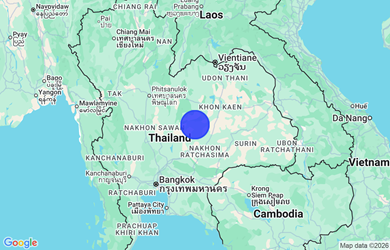
Urban
Countrywide
Smart farming and precision agriculture can be applied in almost all settings. In urban and semi-urban areas, smart farming allows for farmers to control factors affecting plant growth despite the environment, and can be implemented in a small plot of land.
Semi-urban
Countrywide
Smart farming and precision agriculture can be applied in almost all settings. In urban and semi-urban areas, smart farming allows for farmers to control factors affecting plant growth despite the environment, and can be implemented in a small plot of land.
Rural
Countrywide
In rural areas, smart farming can be applied to existing agricultural areas to help farmers reduce costs and improve productivity. Precision agriculture involving drones or satellite images can be applied to large farms in rural areas.
Sector Sources
1) https://www.depa.or.th/storage/app/media/file/investment-bulletin.pdf
2) https://thailand.un.org/th/node/103307
3)https://www.boi.go.th/upload/content/Thailand,%20Taking%20off%20to%20new%20heights%20@%20belgium_5ab4e8042850e.pdf
4) https://www.ldd.go.th/PDF/DevelopmentPlanNo.13.pdf
5) http://stiic.sti.or.th/wp-content/uploads/2018/10/BCG_Final1.pdf
6) https://data.worldbank.org/indicator/NV.AGR.TOTL.ZS?locations=TH
7) https://www.moac.go.th/moaceng-magazine-files-422991791792
8) https://data.worldbank.org/indicator/SL.AGR.EMPL.ZS?locations=TH
9) https://www.opsmoac.go.th/nakhonsithammarat-dwl-files-421191791137
10) https://www.boi.go.th/upload/content/TIR7_Aw_Smart%20farming_5e5dc88fa8284.pdf
IOA Sources
1) https://www.smeone.info/posts/view/4971
2) http://www.smartfarmdiys.com/aboutus
3) https://krungthai.com/Download/news/MediaFile_318Agritech14052020_final.pdf
4) https://www.opsmoac.go.th/nakhonsithammarat-dwl-files-421191791137, https://data.worldbank.org/indicator/NV.AGR.TOTL.KD?locations=TH
5) https://sustainabledevelopment.un.org/content/documents/279482021_VNR_Report_Thailand.pdf
6) https://www.bot.or.th/App/BTWS_STAT/statistics/ReportPage.aspx?reportID=638&language=eng
8) https://www.depa.or.th/storage/app/media/file/depa-Promotion-Plan-Book61-65.pdf
9) https://thailand.un.org/th/node/103307
10) https://www.ncbi.nlm.nih.gov/pmc/articles/PMC8291370/
11) https://www.pier.or.th/abridged/2020/11/#fnref-1
12) https://www.moac.go.th/moaceng-magazine-files-422991791792
13) https://www.ldd.go.th/PDF/DevelopmentPlanNo.13.pdf
14) https://www.boi.go.th/upload/content/BOI-A%20Guide_EN.pdf