
Explore the country and target locations of the investment opportunity.
Country
Vietnam
Region
- Countrywide
Situate the investment opportunity within sustainability focused sector, subsector and industry classifications.
Sector
Health Care
Development need
Regional disparities exist in access to quality and affordable healthcare services between rural and urban areas (1); Increased non-communicable diseases (NCDs) due to unhealthy habits, like excessive smoking and drinking; NCDs were the cause of 77% of deaths in 2016, as opposed to 68% in 2010 (1); Slow reduction of under-5 mortality rate, i.e. 23 in 2013 and 20.6 in 2020. (2)
Policy priority
Specified in Decision 531/QĐ-TTg: Increase healthcare service quality, improve the healthcare system efficiency towards accommodating the aging population, international integration, and digital application; diversify medical services, encourage private sector participation, and increase healthcare access for the population (3, 4)
Gender inequalities and marginalization issues
Limited access to healthcare for ethnic minorities and mountainous areas, maternal mortality in these areas is 3 times higher than the national average in 2019 (5). The adolescent birth rate in the 15-19 age group strongly increased in the past 10 years, from 24‰ in 2009 to 35‰ in 2019. The adolescents in the 15-19 age group in rural areas have a higher fertility rate than in urban areas, 45‰ vs 16‰ (2)
Investment opportunities
USD 17.3b healthcare market size in 2018, with the spending per capita projected to increase from USD 170 in 2017 to USD 400 in 2027; the pharmaceutical market is the second largest in Southeast Asia, i.e. USD 5.9b in 2018, projected to grow at 14% CAGR by 2025 (6); Medical equipment is estimated at USD 1.6b (2021), with CAGR of 10% for 2017-2021 (7)
Key bottlenecks
Some constraints on registration for licensing for medical devices, pharmaceuticals, and patents, regulations on divestment, coverage of healthcare insurance for private health facilities, the form of the public-private partnership involves the problem of state assets, lack of human resources, and limited financial affordability for patients in certain areas.
Sub Sector
Biotechnology and Pharmaceuticals
Development need
Each year, Vietnam uses about 60,000 - 80,000 tons of medicinal herbs for drug production and treatment, but 80% of these are imported from China through unofficial channels, with unassured quality (8). Counterfeit drugs and poor quality drugs - In 2019, Vietnam had the highest number of enterprises producing quality violating drugs. (9)
Policy priority
Specified in the National Strategy on herbal medicine development (Decision 376/QĐ-TTg, 2021), Development of the pharmaceutical industry and the domestic production of medicinal ingredients; attraction of investment into the pharmaceutical industry; and capitalization of advantages of domestic sources of medicinal herbs, especially the precious medicinal herbs (10)
Gender inequalities and marginalization issues
Developing medicinal plants not only contributes to the conservation of genetic resources of precious medicinal plants, but also helps to eliminate hunger, reduce poverty, and increase people's income level. The income from medicinal plantations can be ~USD 6,000 - 7,000/ ha, i.e. 3-4 times higher than that from conventional crops (11).
Investment opportunities
Vietnam has more than 5000 plant varieties that can be extracted for medicinal formulation. The population spent 20 billion USD on healthcare products and services in 2020, and this figure is expected to rise by 12% per year (12).
Key bottlenecks
Challenging to secure a sufficient supply volume of herbal ingredients from small producers; Technologies and know-how are required to develop products to meet market demand.
Industry
Biotechnology and Pharmaceuticals
Discover the investment opportunity and its corresponding business model.
Investment Opportunity Area
Production, Processing and Distribution of Herbal Ingredients
for Medicinal and Health Supplement purposes
Business Model
The business model may target different parts of the value chain, including herbal plantation (B2B), processing of herbal ingredients into medicines or supplements (B2B), or distribution of herbal medicines/ supplements (B2C). Investors may also choose to invest in companies that aim to set up the whole value chain from plantation to processing, and distribution of final products. Examples of companies active in this space are:
Lamdong Pharmaceutical Company provides lado actiso, which enhances liver, gallbladder, kidney, and digestion functions; lado herbal for use in preventing and curing health. Louis Capital agreed to acquire a 10.23% stake (1.3 million shares at an undisclosed value) in Lamdong Pharmaceutical on December 8, 2021.
Learn about the investment opportunity’s business metrics and market risks.
Market Size and Environment
Market Size (USD)
USD 100 million - USD 1 billion
CAGR
10% - 15%
Critical IOA Unit
The health expenditure per capita is approximately 181 current U.S. dollars (2019) in Vietnam (13)
By statistics, the total value of drug use in Vietnam is about 5.14 billion USD, out of which, the total value of medicinal preparations from medicinal herbs (medicines, traditional medicines, herbal medicines) is estimated at about 440 million USD (8.4% of the total value of disease treatment) (22)
Indicative Return
ROI
10% - 15%
GPM
20% - 25%
ROI varies depending on management and products. Financial reports of listed companies (Phytopharma, Pharmedic, Mediplantex, Nam Duoc) show an average ROI of 10-15%. (23)
Investment Timeframe
Timeframe
Medium Term (5–10 years)
Most businesses have a long history. The two young firms, for example, Nam Duoc and Vietmex are successful cases with consistently reported positive profits, established in 2005 and 2016 respectively. In practice, time is most consumed to build up a production base and supply resources (23)
Ticket Size
Average Ticket Size (USD)
USD 1 million - USD 10 million
Market Risks & Scale Obstacles
Capital - CapEx Intensive
The industry is capital-intensive. However, private placement or focusing on specific target products can reduce the size of the investment.
Business - Supply Chain Constraints
Partnership with other players to secure a sufficient and sustainable supply volume of medicinal herbs is complicated, involving multiple factors (competition from local traders, proper technical application, or collaboration with district governments where the herbal plantations are located).
Read about impact metrics and social and environmental risks of the investment opportunity.
Sustainable Development Need
Investment in medicinal plantation and processing is needed for Vietnam to reduce the large number of medicinal ingredients imported from China, of which a majority are not traceable and potentially have a serious risk of quality. (24)
Gender & Marginalisation
Opportunity is needed for farmers in various regions, who earn low incomes from the production of traditional low-value crops (for example, maize), to switch to, or diversify into, medicinal plantations with high economic value.
Expected Development Outcome
Improve the quality of herbal medicines/supplements for the population.
Gender & Marginalisation
Improve income for disadvantaged people in remote/ mountainous areas: the medicinal plantations may increase the average income in these areas from 1.5 to 4 times (25)
Primary SDGs addressed
3 - Good Health and Well-Being
3.b.3 Proportion of health facilities that have a core set of relevant essential medicines available and affordable on a sustainable basis
Current Value
78% in 2019 vs 75% in 2015 (2)
Target Value
86.6% in 2025 (2)
2 - Zero Hunger
2.3.2 Average income of small-scale food producers, by sex and indigenous status
Current Value
The average income of people in rural areas is VND 35.8 m (equivalent to about USD 1,700) in 2018 (2)
Target Value
By 2030, increase labor productivity in agriculture and income by 1.5 times of agricultural labor (2)
Secondary SDGs addressed
8 - Decent Work and Economic Growth
10 - Reduced Inequalities
Directly impacted stakeholders
People
Marginalized farmers have opportunities to increase income from medicinal herbal plantations.
Gender inequality and/or marginalization
Women and ethnic minorities who participated in medicinal production will benefit from having improved income and jobs created by investment in processing capacity.
Planet
Contribute to improving the bio-diversity of the tree species
Corporates
The supply of herbal inputs is from agricultural plantations. The growth of the herbal medicine industry will thus, benefit MSMEs and the agriculture sector.
Public sector
The government benefits from reduced import of herbal inputs from China, thus resulting in direct contribution to economic growth.
Indirectly impacted stakeholders
People
Improved health for the communities due to the supply of assured quality of herbal medicines.
Gender inequality and/or marginalization
Women and marginalized groups can benefit from having more options for the medicines supplies for health improvement.
Public sector
The preservation of biodiversities will result in the improved sustainable development of the economy.
Outcome Risks
Value chain sustainability may not be fully achieved because insufficient technical capacity can prevent small producers from participating in the value chain to earn a higher income.
Resource constraints may lead to under-investment, thus compromising the quality of products.
Impact Risks
A complicated level of supply chain control and requirement for technologies/know-how are challenges limiting the expansion of business models.
The absence of effective law enforcement may create opportunities for imported low-quality materials to compete against the high-quality products of the investment.
Impact Classification
A—Act to Avoid Harm
What
The model will likely involve medicinal plantations, primary processing of medicinal herbs, manufacturing of herbal medicines/ supplements, and distribution of final products to users.
Who
Various; including farmers in areas suitable for medicinal plants, users of final products, and actors in the market system like researchers for product developments or marketing agencies.
Risk
Application of technical instructions and shortage of capital to invest in input production.
Contribution
GoV commits to invest in medicinal plantation (Decision 376/QĐ-TTg/2021) in 2021 - 2030 and vision for 2045, of which the fund is arranged from the state budget.
How Much
This IOA targets a potential demand of about 50,000 tons of medicinal plants from the domestic market.
Impact Thesis
Increase the supply of quality ingredients from domestically produced sources, addressing the issue of a large volume of herbal ingredients imported from sources with unassured quality.
Explore policy, regulatory and financial factors relevant for the investment opportunity.
Policy Environment
Decision 376/QĐ-TTg, 2021: National Strategy on herbal medicine development (25)
Decision 1976/QĐ-TTg: National planning for medicinal plantation to 2020 and orientation to 2030 - Government of Vietnam, aiming to meet 80% of domestic demand by 2030 (26)
Financial Environment
Investors are guaranteed by the local Credit Guarantee Fund to borrow capital at credit institutions Decree No. 34/2018/ND-CP dated March 8, 2018; preferential interest rates - Section 2, Article 13 of Circular No. 39/2016/TT-NHNN dated December 30, 2016 (30)
Preferential income tax rate if the investment is of high tech, healthcare, in investment-encouraged areas (31)
Regulatory Environment
Circular No. 13/2018/TT-BYT dated May 15, 2018, of the Minister of Health: provide regulation the quality of herbal ingredients and traditional drugs (27)
Circular No. 21/2018/TT-BYT dated September 12, 2018: Regulations on the registration of circulation of traditional drugs and herbal ingredients (28)
Circular 03/2016/TT-BYT: Regulations on herbal medicines business activities (29)
Circular No. 19/2018/TT-BYT dated August 30, 2018 promulgating the list of essential drugs
Discover examples of public and private stakeholders active in this investment opportunity that were identified through secondary research and consultations.
Private Sector
Local processors of medicinal ingredients, pharmaceutical companies (e.g. Traphaco, Mediplantex, Domesco, OPC, and Danaphar), hospitals, traditional clinics
Government
Ministry of Health, Ministry of Agriculture and Rural Development, and local governments at provincial and district levels.
Multilaterals
World Health Organisation (WHO), United Nations Development Programme (UNDP), European Union, Asian Development Bank (ADB), World Bank (WB).
Non-Profit
Private Hospital Association, Vietnam Public Health Association, Vietnam Medical Device Association, National Center for Health Communication and Education, World Wild Fund for Natures (WWF), DAI, Oxfam.
See what country regions are most suitable for the investment opportunity. All references to Kosovo shall be understood to be in the context of the Security Council Resolution 1244 (1999)
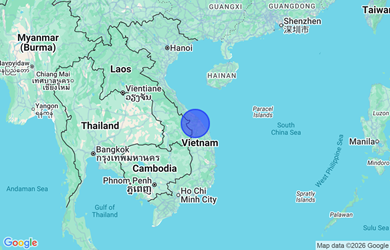
Countrywide
The national strategy for medicinal plantation development maps out 8 different zones for different herbal varieties. These are Northern Midland, Red River Delta, Northern Center, Southern Center, Highland, and the South. (10)
SECTOR SOURCES
1) SHAABAN, N. (2020). Digital Health Entrepreneurship in Vietnam. Retrieved from https://legatum.mit.edu/wp-content/uploads/2020/07/Digital-Health-Vietnam-MIT-Legatum-Center.pdf
2) UNDP. (2021). Vietnam National Report on SDGs Implementation 2020. Retrieved from https://www.undp.org/sites/g/files/zskgke326/files/migration/vn/Bao-cao-QG-SDG_VN.pdf
3) KPMG. (2020, Aug). Digital Health in Vietnam. Retrieved from https://assets.kpmg/content/dam/kpmg/vn/pdf/publication/2021/digital-health-vietnam-2020-twopage.pdf
4) Government of Vietnam. (2021, Apr 1). Quyết định số 531/QĐ-TTg của Thủ tướng Chính phủ: Phê duyệt Chiến lược tổng thể phát triển khu vực dịch vụ của Việt Nam thời kỳ 2021 - 2030, tầm nhìn đến năm 2050. Retrieved from https://chinhphu.vn/?pageid=27160&docid=202997&tagid=6&type=1
5) Duong, S. (2021, Aug 15). Nâng cao chất lượng dịch vụ chăm sóc sức khỏe sinh sản cho người dân tộc thiểu số. Retrieved from https://www.qdnd.vn/xa-hoi/dan-toc-ton-giao/chinh-sach-phat-trien/nang-cao-chat-luong-dich-vu-cham-soc-suc-khoe-sinh-san-cho-nguoi-dan-toc-thieu-so-668448
6) British Group Vietnam. (2019). Vietnam 2019 Health Care. Retrieved from http://www.ukabc.org.uk/wp-content/uploads/2019/04/Sector-Briefing-Healthcare-In-Vietnam-2019.pdf
7) Vietnam equipment market, 201Babuki JSC. (2021, Jun 6). Tổng quan thị trường y tế Việt Nam. Retrieved from https://babuki.vn/thi-truong-thiet-bi-y-te-viet-nam-tong-quan-va-xu-huong-phat-trien/
8) Minh, H. (2021, Feb 10). Người Việt ngày càng dùng nhiều thuốc từ dược liệu. Retrieved from https://laodong.vn/suc-khoe/nguoi-viet-ngay-cang-dung-nhieu-thuoc-tu-duoc-lieu-875055.ldo
9) Vo, L. T., & Nguyen, D. T. (2021, Aug 16). Assessment of drug quality violations in Vietnam in 2019. Retrieved from https://sti.vista.gov.vn/tw/Lists/TaiLieuKHCN/Attachments/328831/CVv416S472021117.pdf
10) Government of Vietnam. (2021, Mar 17). Quyết định 376/QĐ-TTg Chương trình phát triển công nghiệp dược liệu đến 2030. Retrieved from https://luatvietnam.vn/y-te/quyet-dinh-376-qd-ttg-chuong-trinh-phat-trien-cong-nghiep-duoc-lieu-den-2030-199893-d1.html
11) Nguyen, P. T. (2022, Jan 11). Hiệu quả “kép” từ cây dược liệu. Retrieved from https://dangcongsan.vn/kinh-te/hieu-qua-kep-tu-cay-duoc-lieu-601797.html
12) Pricewaterhouse Cooper. (n.d.). The Vietnamese healthcare industry: moving. Retrieved from https://www.pwc.com/vn/en/advisory/deals/assets/the-vietnamese- healthcare-industry-mov- ing-to-next-level-pwc-vietnam-en.pdf
IOA SOURCES
13) Statista. (2022, Apr 20). Current health expenditure per capita in Vietnam from 2010 to 2019. Retrieved from https://www.statista.com/statistics/1107441/vietnam-health-spend-per-capita/
21) PhytoPharma. (n.d.). Retrieved from https://www.phytopharma.vn/
21) Vietmec. (n.d.). Retrieved from https://duoclieuvietnam.com.vn/
22) Minh, H. (2021, Feb 10). Người Việt ngày càng dùng nhiều thuốc từ dược liệu. Retrieved from https://laodong.vn/suc-khoe/nguoi-viet-ngay-cang-dung-nhieu-thuoc-tu-duoc-lieu-875055.ldo
23)Mediplantex. (2017, Dec 12). Báo cáo tài chính Mediplantex. Retrieved from http://www.mediplantex.com/upload/download/84a4bd3e00762dd79a0ce27157500200.pdf Nam Duoc. (n.d.). Báo cáo tài chính. Retrieved from https://namduoc.vn/co-dong/bao-cao-tai-chinh-2
24) Minh, Q. (2021, Oct 15). Ẩn họa chất lượng dược liệu Trung Quốc nhập lậu. Retrieved from http://daidoanket.vn/an-hoa-chat-luong-duoc-lieu-trung-quoc-nhap-lau-5669277.html
25) Government of Vietnam. (2021, Mar 17). Quyết định 376/QĐ-TTg Chương trình phát triển công nghiệp dược liệu đến 2030. Retrieved from https://luatvietnam.vn/y-te/quyet-dinh-376-qd-ttg-chuong-trinh-phat-trien-cong-nghiep-duoc-lieu-den-2030-199893-d1.html
26) Government of Vietnam. (2013, Oct 30). Phê duyệt quy hoạch tổng thể phát triển dược liệu đến năm 2020 và định hướng đến năm 2030. Retrieved from http://vbpl.vn/TW/Pages/vbpq-toanvan.aspx?ItemID=55137
27) Ministry of Health. (2018, May 15). Thông tư Quy định về chất lượng dược liệu, thuốc cổ truyền. Retrieved from http://vbpl.yte.gov.vn/van-ban-phap-luat/thong-tu-132018tt-byt-.6.2010.html
28) Ministry of Health. (2018, Sep 12). QUY ĐỊNH VIỆC ĐĂNG KÝ LƯU HÀNH THUỐC CỔ TRUYỀN, DƯỢC LIỆU. Retrieved from https://thuvienphapluat.vn/van-ban/The-thao-Y-te/Thong-tu-21-2018-TT-BYT-dang-ky-luu-hanh-thuoc-co-truyen-duoc-lieu-396302.aspx
29) Ministry of Health. (2016, Jan 21). Quy định VỀ HOẠT ĐỘNG KINH DOANH DƯỢC LIỆU. Retrieved from https://thuvienphapluat.vn/van-ban/Thuong-mai/Thong-tu-03-2016-TT-BYT-hoat-dong-kinh-doanh-duoc-lieu-2016-302826.aspx
30) Government Online News. (2019, Jan 4). Các chính sách ưu đãi tín dụng cho doanh nghiệp ngành y tế. Retrieved from http://baochinhphu.vn/Tra-loi-cong-dan/Cac-chinh-sach-uu-dai-tin-dung-cho-doanh-nghiep-nganh-y-te/356064.vgp
31) Pricewaterhouse Cooper. (2021). Sổ tay thuế Việt Nam. Retrieved from https://www.pwc.com/vn/vn/publications/2021/pwc-vietnam-ptb-2021-vn.pdf