
Explore the country and target locations of the investment opportunity.
Country
Malaysia
Region
- Countrywide
Situate the investment opportunity within sustainability focused sector, subsector and industry classifications.
Sector
Health Care
Development need
The growth in the incidence of Non-Communicable Diseases (NCDs) is high and led to 74 per cent of deaths in 2021. In addition, the ageing population with related diseases are major challenges for the Malaysian healthcare system (1). Recognition and treatment of mental health issues is also a concern, which increased as a consequence of COVID-19 lockdowns (1).
Policy priority
Malaysia adopted a NCDs prevention and treatment program, as well as, in 2019, a comprehensive and inclusive national health protection scheme, offering insurance coverage to to the majority of the population (1, 3). Additionally, Malaysia is orienting its pharmaceuticals and medical devices industry towards producing higher-value products (4).
Gender inequalities and marginalization issues
Disparities in life expectancy between Malaysia's states (Perlis has the lowest, Kuala Lumpur the highest) reflects to some extent the uneven vulnerability to health risks and access to advanced medical care. Women are over-represented in the informal sector and in the unpaid care services, face higher health risks (5, 12).
Investment opportunities
A new National Biotechnology Policy 2.0 was adopted in Malaysia, which plans a 5 per cent GDP growth through the development of biotechnologies (6). Moreover, the halal market, including pharmaceuticals, is growing, with halal exports amounting to RM36.3 billion (USD 7.94 billion) in 2021 with the market expected to increase to USD 105 billion by 2024 (4, 7, 8).
Key bottlenecks
The healthcare sector in Malaysia is reported to be facing manpower challenges (due to institutional issues), shortage of beds, equipment and medicine, and not enough isolation facilities (9, 20).
Sub Sector
Health Care Providers
Development need
To improve the population's health, reforming primary healthcare services delivery with the development and upskilling of the workforce is key (10, 12). Growing issues related to the staff's working environment quality (Malaysia has in average 2.3 doctors, nurse and midwives per 1,000 population, compared to 2.5 recommended by WHO) should be addressed through the creation of a pool of skilled, technical staff to support doctors and nurses (1, 12).
Policy priority
Malaysia is willing to strengthen the post-basic and post-graduate training of nurses, assistant medical officers and allied health professionals, and is willing to enhance the continuous learning for medical doctors and other relevant health professionals on clinical governance and other public health areas (14).
Gender inequalities and marginalization issues
Ministry of Health in September 2022 revealed that there were fewer than 13,000 medical specialists in both the public and private healthcare sector, and 28,000 specialists were needed by 2030. The distribution of medical personnel, particularly specialists, is disproportionately in favor of urban areas, leaving remote and interior areas, such as Sabah, Sarawak or Kelantan, with a low ratio of medical personnel to population (11).
Investment opportunities
In its 2023 budget speech, the government announced an increase in public expenditure regarding health from RM 32.4 billion (USD 7.09 billion) in 2022 to RM 36.1 billion (USD 7.9 billion) in 2023 (13). Additionally, the number of older people is expected to grow exponentially (reaching an annual net increase of 100,000 older persons in 2030), increasing the demand for quality elderly care (2).
Key bottlenecks
The healthcare workers face an increased workload and pressure due to a growing population, urbanization, and greater complexity of diseases. Additionally, the lack of technology use affects the clinical management and administration efficiency and prevent the provision of quality healthcare (75 per cent of public hospitals and more than 90 per cent of medical and dental clinics are manual) (14).
Industry
Health Care Delivery
Discover the investment opportunity and its corresponding business model.
Investment Opportunity Area
Personalized Caregiving Services
For The Elderly, Persons With Disabilities (PWD) And Children
Business Model
Invest in business models for personalized caregiving services that include in-home care, companionship, personal hygiene assistance, medication management, and specialized care. There are both B2C and B2B businesses, offering services directly to customers or to beneficiaries via healthcare facilities. Customers and beneficiaries include the elderly, persons with disabilities, children as well as patients with long term illnesses requiring specialized care. Examples of companies active in this space are:
Homage Malaysia is a leading home care platform that offers a wide range of services, including home nursing, caregiving, and therapy. Their products include a mobile app to access a network of highly trained and qualified caregivers. It has raised USD 42.5 million to date including from EV Growth, Alternate Ventures, KDV Capital, HealthXCapital, Golden Gate Ventures, and 500 Startups (49).
Doc2Home is a telemedicine platform that offers virtual medical consultations. Their services include online consultations with licensed doctors, medicine delivery, and home-based health screening services. Its parent company, Doc2Us receives an average of 1,247 monthly downloads (50).
Kiddocare is a Malaysian-based start-up that provides on-demand pediatric home care services for children. Their services include doctor consultations, nursing care, and physiotherapy for children with various healthcare needs. Kiddocare has raised a total of USD 198,700. Investors include Endeavor, UN Women Care Accelerator and MyCIF (51).
Learn about the investment opportunity’s business metrics and market risks.
Market Size and Environment
Market Size (USD)
USD 100 million - USD 1 billion
CAGR
5% - 10%
Critical IOA Unit
2022 child population was 9.19 million. 3.6 million people over the age of 60 in 2022 (15, 17).
260,000 PWDs registered to receive Malaysian Family Aid (government assistance programme) (16). In 2021, total care homes in Malaysia range from 1,700 to 2,800 care homes. Estimated 361 care home operators are actually licensed by authorities.
The broader home care industry was used as it covers this IOA. It was valued USD 583 million with a CAGR of 7.93 per cent between 2022 and 2030 (20).
In terms of providers, total number of care homes range between 1,700 to 2,800 but only 361 are licensed by authorities (46).
PWD population stands at 260,000 based on government assistance programme eligibility. 11.1 per cent of the population is over the age of 60.
Indicative Return
GPM
< 5%
Based on companies researched and engaged for consultations in this sector, the highest analyst PBT margin was 0.53 per cent. Other companies also yielded losses based on their most recent financial statements disclosed to the Companies Commission of Malaysia (52, 53, 54)
Investment Timeframe
Timeframe
Long Term (10+ years)
Expert consultations have indicated that this a long-term venture that will require a longer gestation period. This is because of the lead time for setting up platforms that can provide such services is a long-term endeavor as licensed businesses are required to align with criteria that have been set up by the Ministry of Health.
Additionally, the costs of running these businesses, be it labor or technology related costs are also high. This combined with consumer reluctance to go beyond the traditional family unit also implies higher customer acquisition costs.
Ticket Size
Average Ticket Size (USD)
USD 1 million - USD 10 million
Market Risks & Scale Obstacles
Capital - Limited Investor Interest
While there is a clear development and impact case, investors are concerned about how long it will take for potential investments to yield results given that it is still a very new industry (21, 22).
Market - Volatile
More policy support and enforcement need to be put in place for this IOA to develop in a holistic and inclusive manner with licensed suppliers.
Capital - Requires Subsidy
Subsidies would be required to incentivize more private sector investment, as there is a lack of satisfactory de-risking mechanisms to ease responsible private sector entry and maintain long term investment tenures.
Read about impact metrics and social and environmental risks of the investment opportunity.
Sustainable Development Need
Malaysia is to become an aged nation by 2030 as in 2020 10.7 per cent of the population was above 60 years of age, slated to increase to 15 per cent by 2030. This increases the need for care services to address age-related healthcare issues and the resultant pressure on the healthcare system (1, 31, 10).
In 2019, at least 1.6 per cent of Malaysians lived with physical or mental disabilities requiring special personally adapted care (32). Family caregivers, especially parents of children with disabilities, face issues of high cost of care, balance work and care activities, high levels of stress (33).
The Malaysian care system is characterized by it reliance on the gig economy and a lack of properly trained workforce to address the specific needs of elderly patients and patients with disabilities (42, 33).
Gender & Marginalisation
In Malaysia, women are considered as the main caregiver for the elderly, children and other dependents, hindering female participation in the workforce (34). This trend was even worsened by the COVID-19 pandemic (35). Moreover, women and girls with disabilities suffer from more vulnerabilities (36).
Elderly are more likely to be left without care (2,144 seniors were abandoned in hospitals over the period 2018-2022) (23). It is especially the case in rural regions, since younger populations move to urban centers leaving the older family members behind (39).
Low-income segments of the Malaysian population are more exposed to the negative impacts of ageing and disability, increasing their need for care (31). They also have lower access to specialized education and services due to their high costs (41).
Expected Development Outcome
Greater accessibility and availability of personalized care, including health workers beyond urban areas, enable better response to the special needs of the elderly, persons with disabilities (PWD) and children, while decreasing the burden on the healthcare system and caregivers (31, 41).
Enhanced personalized and regular care services can improve the living conditions of people with disabilities, while reducing their social exclusion (25).
Gender & Marginalisation
Enhanced personalized caregiving services can support primary caregiver, usually women, self-care and engagement in the workforce by offering favorable choices to join the workforce (27).
A better developed and personalized caregiving service offer throughout the country will enable easier access to daily care for elderly, including living in rural areas, and a better satisfaction of their basic needs while supporting their well-being (42).
Increased offer of caregiving services, contributing to integrated care, could reduce the cost of services, enabling a broader access to these services by the low-income segment of the local population (43, 41).
Primary SDGs addressed
3 - Good Health and Well-Being
3.4.1 Mortality rate attributed to cardiovascular disease, cancer, diabetes or chronic respiratory disease
3.8.2 Proportion of population with large household expenditures on health as a share of total household expenditure or income
3.c.1 Health worker density and distribution
Current Value
18.4 per cent mortality rate for 30-70 years old, in 2019 (14.9 per cent for women and 21.8 per cent for man) (38). The probability of premature death between the age of 30 and 70 caused by NCDs was of 11.3 per cent in 2019 (1).
In 2019, 0.13 per cent of households recorded an expenditure over 25 per cent and 1.52 per cent recorded an expenditure over 10 per cent of their income towards healthcare (38).
In 2019, 34.84 nurses and midwife/10,000 inhabitants, and 22.86 medical doctors/10,000 inhabitants in 2020 (38).
Target Value
Reduce premature mortality from cardiovascular diseases, cancer, diabetes or chronic respiratory diseases to 15 per cent by 2025. Reduce prevalence of blood pressure to 26 per cent by 2025. (40)
8 - Decent Work and Economic Growth
8.5.2 Unemployment rate, by sex, age and persons with disabilities
Current Value
In 2020, 4.54 per cent of overall unemployment, with 10.9 per cent for persons with disabilities compared to 4.5 per cent for people without disabilities (38).
5 - Gender Equality
5.4.1 Proportion of time spent on unpaid domestic and care work, by sex, age and location
Current Value
In 2019, women spent 1.3 hour in direct care work, 2.3 hours in domestic work and 6.2 hours in unpaid work, whereas men spent 1.1 hour in direct care work, 1.1 hour in domestic work and 6.9 hours in unpaid work (44).
Secondary SDGs addressed
10 - Reduced Inequalities
5 - Gender Equality
Directly impacted stakeholders
People
Older citizens, people living with disabilities or with specific care needs, including children, benefit from quality care services. Caregivers (either professionals or family members) and healthcare practitioners experience less pressure and burdensome care duties.
Gender inequality and/or marginalization
Women will have the choice to engage in economic activities with more time available to them. Rural and poorer older citizens and people living with disabilities, including women and girls will benefit from better care.
Corporates
Increased economic activities for companies providing caregiving services (home based or centers) and companies providing digital platforms for personal caregiving services.
Public sector
Public hospitals, older citizens and people with disabilities care centers, the Ministry of Health benefit from increased quality of the healthcare services resulting in a healthier population and improvement in key health indices.
Indirectly impacted stakeholders
People
The general population benefits from less crowded healthcare facilities and more affordable care services.
Corporates
As ancillary healthcare businesses, training and certification institutions benefit from the development of activities in the sector.
Outcome Risks
As emotional effects of caregiving are heavy and challenging, if overwork is caused, professional caregivers might have mental health difficulties.
Without an supportive and conductive policy and regulatory environment, the delivery of care activities might not benefit the target population as fast as expected.
If factors such as training and capacity building of the care workforce are not considered and included into the value-chain, outcomes like better quality of care might not be achieved.
Gender inequality and/or marginalization risk: Increased professional caregiving might increase isolation of elderly and PWDs due to less frequent family visits.
Impact Risks
Execution risk might arise if the service providers are not correctly trained, putting patients' health and impact creation at risk.
If the price of caregiving services are too high, lower-income families might not be able to afford it, causing a stakeholder participation risk.
Mismatch between the care services offered and the patient needs might risk impact creation.
Impact Classification
C—Contribute to Solutions
What
Personalized caregiving improves the well-being of elderly and people living with disabilities, including children, through quality and adapted caregiving and by enhancing support to families.
Who
(Poor) elderly, people living with disabilities, including children and women and girls specifically. Women that are the primary caregivers.
Risk
Execution risk with lack of appropriate training, stakeholder participation risk for lower-income families, and alignment risk with a mismatch between patient's needs and services.
Contribution
Caregiving services will help palliate the decrease in family caregiving. For instance, three-generation households declined from 41.1 per cent in 2004 to 30.7 per cent in 2016 (2).
How Much
The number of persons with functional limitations in daily life activities is projected to double between 2020 and 2040 (2). Specialised caregiving will contribute to addressing this issue.
Impact Thesis
Increase the well-being of older patients and patients with disabilities, increase the satisfaction of basic and specific patients' needs, by providing specialized healthcare services.
Explore policy, regulatory and financial factors relevant for the investment opportunity.
Policy Environment
Twelfth Malaysia Plan (2021-2025): the plan addresses the wellbeing of people with Disabilities in its Chapter 5: Addressing Poverty and Building an Inclusive Society (4).
Shared Prosperity Vision 2030: the policy highlights the specific needs of people with disabilities and recognizes them as a priority group to take into consideration while working towards reduction of inequalities (30).
The Disability Action Plan (2016-2022): the plan aims to further empower persons with disabilities including through better access to basic education and skill training (24).
Malaysian Allied Health Professional Act (AHPA) 2016: The act details the formation of the Malaysian Allied Health Professions Council, establishment and the definition of Allied Health Professionals. It also sets out the issuance of certificates pertaining to Allied Health Professionals (55).
Industry4WRD Policy on Industry 4.0: The policy intends to support companies' digital transformation in manufacturing sector through incentives and support for infrastructure, human capital and technology development (56).
Malaysia Madani: The Malaysia Madani plan has six main principles including Care and Compassion, which includes access and provision of quality healthcare (57).
Financial Environment
Financial incentives: Care industry investments may qualify for the Investment Tax Allowance which allows them to deduct up to 60 per cent - 100 per cent of qualifying capital expenditure from taxable income for 5-10 years. (21)
Fiscal incentives: The Malaysian Inland Revenue Board (IRB) offers tax reliefs for carer expenses for parents, and spouses or children that are PWDs for personal income tax (48).
Regulatory Environment
Persons with Disabilities Act 2008 (PWD): recognizes 7 different disability categories: hearing, visual, speech, physical, learning, mental and multiple disabilities or impairment and established a National Council for Persons with Disabilities (NCPD) (29).
Care Centers Act 1993: provides for the registration, control, and inspection of care centers and related matters. In case of noncompliance with the Ministry's regulations and the obligations under the Act, closure of the center can be ordered (28).
Nurses Act 1950: requires nurses to be registered with the Malaysia Nursing Board (MNB) and possesses a valid Annual Practicing Certificate to be allowed to practice (26).
Private Aged Healthcare Facilities and Services Bill 2017: provides for the regulation of private aged healthcare facilities and services, including for the obligation of the employers to provide training to its employed caregivers (45).
Senior Citizens Bill Act (first reading planned for 2023): aims to protect the welfare of senior citizens, their basic rights, their empowerment, and the empowerment of family members and the community, as well as creating a strong support system for senior citizens and carers (22).
Discover examples of public and private stakeholders active in this investment opportunity that were identified through secondary research and consultations.
Private Sector
Homage Malaysia; Doc2Home; Kiddocare; Care Concierge; Nurses At Home; Sitly; Teman Malaysia; Pillar Care; D2dlife.
Government
Ministry of Health (MOH); Ministry of Women, Family and Community Development (KPWKM).
Multilaterals
United Nations Development Programme (UNDP); World Health Organization (WHO); United Nations Population Fund (UNFPA); International Finance Corporation (IFC); Asian Development Bank (ADB).
Non-Profit
Malaysian Care Association (MCA); Alzheimer's Disease Foundation Malaysia (ADFM); Malaysian Association of Gerontology and Geriatrics (MAGG); Malaysian Hospice Council (MHC); Malaysian Mental Health Association (MMHA).
Public-Private Partnership
National Science Centre (NSC); Malaysian Technology Development Corporation (MTDC); Malaysian Venture Capital and Private Equity Association (MVCA).
See what country regions are most suitable for the investment opportunity. All references to Kosovo shall be understood to be in the context of the Security Council Resolution 1244 (1999)
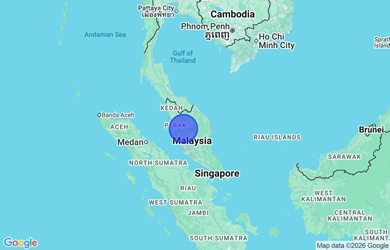
Countrywide
Personalized care giving services need to be deployed countrywide and should be ubiquitously available to all segments of the population.
SECTOR SOURCES
1) Economic Planning Unit (EPU). 2021. Malaysia Voluntary National Review (VNR) 2021. https://www.epu.gov.my/sites/default/files/2021-07/Malaysia_Voluntary_National_Review_%28VNR%29_2021.pdf.
2) World Bank. 2020. A Silver Lining: Productive and Inclusive Aging for Malaysia. https://www.worldbank.org/en/country/malaysia/publication/a-silver-lining-productive-and-inclusive-aging-for-malaysia.
3) Ministry of Health. 2016. National Strategic Plan for Non-Communicable Diseases (NSP-NCD) 2016-2025. https://www.iccp-portal.org/system/files/plans/MYS_B3_NSP%20NCD%202016-2025%2C%20FINAL.pdf.
4) Economic Planning Unit (EPU), Prime Minister’s Department. 2021. Twelfth Malaysia Plan (12MP) 2021-2025 : A Prosperous, Inclusive, Sustainable Malaysia. https://rmke12.epu.gov.my/en.
5) Khazanah Research Institute. 2020. Social Inequalities and Health in Malaysia: The State of Households 2020 Part III. https://www.krinstitute.org/assets/contentMS/img/template/editor/KRI%20-%20Full%20Report%20-%20Social%20Inequalities%20and%20Health%20in%20Malaysia_latest.pdf.
6) Malaymail. 2022. PM: National Biotechnology Policy 2.0 focuses on food security, health, climate change. https://www.malaymail.com/news/malaysia/2022/09/12/pm-national-biotechnology-policy-20-focuses-on-food-security-health-climate-change/27856.
7) MIDA. 2021. Halal pharmaceuticals market set to grow to US$105 bln by 2024. https://www.mida.gov.my/mida-news/halal-pharmaceuticals-market-set-to-grow-to-us105-bln-by-2024-azmin/.
8) Ministry of Finance. 2022. Speech - Islamic Finance and the Development of Malaysia’s Halal Economy. https://www.mof.gov.my/portal/en/news/speech/islamic-finance-and-the-development-of-malaysia-s-halal-economy.
9) The Malaysian Reserve. 2022. Malaysia’s health system must adapt to evolving circumstances. https://themalaysianreserve.com/2022/07/16/malaysias-health-system-must-adapt-to-evolving-circumstances/.
10) Code Blue Webpage. 2020. Building A Resilient Health Care System For The Future. https://codeblue.galencentre.org/2020/10/21/building-a-resilient-health-care-system-for-the-future-mark-cheong/.
12) Anand Jebaraj. 2021. Challenges and Opportunities in Transforming Malaysian Health Care through Integrative Strategic Planning: A Case of Malaysian Healthcare Organization in the Post-Covid Environment. https://ijbmcjournals.org/wp-content/uploads/2021/05/ijbmc-vol-1-1-6.pdf.
13) The Edge Markets. 2022. Full Budget 2023 Speech. https://maa.theedgemarkets.com/article/full-budget-2023-speech.
14) Ministry of Health Malaysia. 2021. Strategic Framework of the Medical Programme 2021-2025. https://www.moh.gov.my/moh/resources/Pelan_Strategik_KKM.pdf.
15) Department of Statistics Malaysia. 2022. Current Population Estimates, Malaysia, 2022. https://www.dosm.gov.my/portal-main/release-content/current-population-estimates-malaysia-2022.
16) MalaysiaNow. 2022. RM1.2 billion allocated for persons with disabilities. https://www.malaysianow.com/news/2022/10/07/rm1-2-billion-allocated-for-persons-with-disabilities.
17) The Star. 2022. Statistics Dept: 9.19 million children under-18 in Malaysia in 2022. https://www.thestar.com.my/news/nation/2022/11/28/statistics-dept-919-million-children-under-18-in-malaysia-in-2022.
18) CodeBlue. 2023. Formalise Malaysia's Care Economy With New Act: Homage. https://codeblue.galencentre.org/2023/01/11/formalise-malaysias-care-economy-with-new-act-homage/.
19) Ministry of Health Malaysia. 2019. Key Findings - National Health and Morbidity Survey 2019 Non-communicable diseases, healthcare demand, and health literacy. https://iptk.moh.gov.my/images/technical_report/2020/4_Infographic_Booklet_NHMS_2019_-_English.pdf.
20) Code Blue. 2023. Poll: 95% Of Health Workers Say Malaysia’s Public Health Care System Is In Crisis Now. https://codeblue.galencentre.org/2023/01/30/poll-95-of-health-workers-say-malaysias-public-health-care-system-is-in-crisis-now/.
IOA SOURCES
21) MIDA. 2020. Guide on Medical Devices Industry Malaysia https://mida.gov.my/wp-content/uploads/2020/07/Guide-on-Medical-Devices-Industry-in-Malaysia_21072020.pdf.
22) Code Blue. 2023. Proposed Senior Citizens Bill May Impose Penalties For Sending Elderly Parents To Care Homes. https://codeblue.galencentre.org/2023/03/15/proposed-senior-citizens-bill-may-impose-penalties-for-sending-elderly-parents-to-care-homes/.
23) New Straits Times. 2023. 2,144 senior citizens abandoned at hospitals over last five years. https://www.nst.com.my/news/nation/2022/07/815266/2144-senior-citizens-abandoned-hospitals-over-last-five-years.
24) Ministry of Women, Family and Community Development. 2016. Media Statement, Implementing the 2030 Development Agenda for All Persons with Disabilities: Leaving No One Behind. https://www.kpwkm.gov.my/kpwkm/uploads/files/KenyataanMedia/Implementing.pdf.
25) WHO. 2015. Global Disability Action Plan 2014-2021. https://apps.who.int/iris/bitstream/handle/10665/199544/9789241509619_eng.pdf;jsessionid=AC0A2EDCC0A416D538F78D906381A3EE?sequence=1.
26) MIDA. 2019. Medical and Healthcare Serivces. https://www.mida.gov.my/wp-content/uploads/2020/07/20200131123700_BOOKLET-15-MEDICAL-AND-HEALTHCARE-SERVICES.pdf.
27) The Edge Market. 2021. Stethoscope: Making the care economy equitable, sustainable and visible. https://www.dosm.gov.my/v1/uploads/files/5_Gallery/2_Media/4_Stats@media/1_General%20News/2021/11%20Nov/19%20Nov%20-%20General%202%20-%20the%20edge%20markets(1).pdf.
28) Government of Malaysia. 1998. Law of Malaysia, Act 506, Care Center Act 1998. http://www.commonlii.org/my/legis/consol_act/cca1993121/.
29) Government of Malaysia. 2008. Law of Malaysia, Act 685, Person with Disabilities Act 2008. https://www.ilo.org/dyn/natlex/docs/ELECTRONIC/86297/117930/F139356912/MYS86297.pdf.
30) Secretary General, Ministry of Economic Affairs. 2019. Shared Prosperity Vision 2030. https://www.epu.gov.my/sites/default/files/2020-02/Shared%20Prosperity%20Vision%202030.pdf.
31) Open Gov. 2019. Malaysia gets on-demand home caregiving services platform. https://opengovasia.com/malaysia-gets-on-demand-home-caregiving-services-platform/.
32) Code Blue. 2019. Existing Data On Disabled People In Malaysia Is Understated, Says UN Expert. https://codeblue.galencentre.org/2019/08/23/existing-data-on-disabled-people-is-understated/.
33) Norliza Saiful Bahry et al. 2019. Challenges Faced by Malaysian Parents in Caregiving of a Child with Disabilities. http://gatrenterprise.com/GATRJournals/GJBSSR/pdf_files/GJBSSRVol7(2)2019/2.Norliza%20Saiful%20Bahry.pdf.
34) Krishna Moorthy, et al. 2022. Gender Inequality Affecting Women’s Career Progression in Malaysia. https://vc.bridgew.edu/jiws/vol23/iss1/32.
35) World Bank. 2023. Malaysia Economic Monitor. Expanding Malaysia's Digital Frontier. https://documents1.worldbank.org/curated/en/099063502042320186/pdf/P179681008aa910db0bca9057d2dfa76bed.pdf.
36) United Nations. 2018. Building Disability‑Inclusive Societies in Asia and the Pacific. https://www.unescap.org/sites/default/files/publications/SDD%20BDIS%20report%20A4%20v14-5-E.pdf.
38) UN Department of Economic and Social Affairs. 2022. SDG Indicators Database. https://unstats.un.org/sdgs/dataportal/database.
39) W.A. Wan-Ibrahim and I. Zainab. 2014. The Availability of Family Support of Rural Elderly in Malaysia. http://www.idosi.org/wasj/wasj30(7)14/17.pdf.
40) WHO. 2017. National NCD Targets for Malaysia. https://extranet.who.int/ncdccs/Data/MYS_Malaysia_NCD_targets.pdf.
41) The Sun Daily. 2023. Need for affordable autistic childcare services. https://www.thesundaily.my/opinion/need-for-affordable-autistic-childcare-services-EB10667399.
42) M.B. Tracy & P.B. Tracy. 1993. Health care and family support systems of functionally impaired rural elderly men and women in Terengganu, Malaysia. https://pubmed.ncbi.nlm.nih.gov/24389755/.
43) Stephen Rocks, et al. 2020. Cost and effects of integrated care: a systematic literature review
and meta‑analysis. https://link.springer.com/article/10.1007/s10198-020-01217-5.
44) UNDP. 2020. Care Work in the Time of COVID-19: Women’s Unpaid Care Burden in Four Charts. https://www.undp.org/malaysia/blog/care-work-time-covid-19-womens-unpaid-care-burden-four-charts.
45) Government of Malaysia. 2017. Private Aged Healthcare Facilities and Services Bill, Arrangements of Clauses. https://www.cljlaw.com/files/bills/pdf/2017/MY_FS_BIL_2017_35.pdf.
46) Homage. 2021. The Future of Aged Care Facilities: Improving Regulation and Quality of Care in Malaysia. https://www.homage.com.my/resources/the-future-of-aged-care-facilities-improving-regulation-and-quality-of-care-in-malaysia/.
47) Insights10 Research. 2022. Malaysia Home Healthcare Market Analysis. https://www.insights10.com/report/malaysia-home-healthcare-market-analysis/#:~:text=Market%20Executive%20Summary-,The%20Malaysia%20home%20healthcare%20market%20was%20valued%20at%20%24583%20Mn,reach%20%241074%20Bn%20in%202030.
48) Tax Reliefs. Inland Revenue Board Malaysia (IRB). 2023. https://www.hasil.gov.my/en/individual/individual-life-cycle/how-to-declare-income/tax-reliefs/
49) Crunchbase. 2023. Homage. https://www.crunchbase.com/organization/homage.
50) Crunchbase. 2023. Doc2Home. https://www.crunchbase.com/organization/doc2us.
51) Crunchbase. 2023. Kiddocare. https://www.crunchbase.com/organization/kiddocare.
52) Companies Commission of Malaysia - Kiddocare Sdn Bhd Filings. 2023. https://www.ssm-einfo.my/member/index.php?id=uni
53) Companies Commission of Malaysia - My Care Concierge Sdn Bhd. 2023. https://www.ssm-einfo.my/member/index.php?id=uni
54) Companies Commission of Malaysia - Homage Sdn Bhd, 2023. https://www.ssm-einfo.my/member/index.php?id=uni
55) Government of Malaysia. Allied Health Professions Act 774, 2016. https://hq.moh.gov.my/nutrition/wp-content/uploads/2019/10/Akta_AHP_Akta-774.pdf
56) Government of Malaysia. Industry4WRD Policy. 2018. https://www.miti.gov.my/index.php/pages/view/4832
57) Government of Malaysia. Economic & Fiscal Outlook and Federal Government Revenue Estimates 2023. 2023. https://budget.mof.gov.my/pdf/belanjawan2023/ekonomi-fiskal/EUFORE2023_270223.pdf