
Explore the country and target locations of the investment opportunity.
Country
Thailand
Region
- Countrywide
- Countrywide
- Countrywide
Situate the investment opportunity within sustainability focused sector, subsector and industry classifications.
Sector
Financials
Development needs
Financial situation of Thai households has become more fragile following the economic shocks of the COVID-19 outbreak, which resulted in decreased income and increased debt burden (1). In the first quarter of 2021, household debt in Thailand is valued at 90.5% of GDP (mortgage, auto loans, business purpose, personal consumption), the highest in 18 years (2), (3).
Policy priority
The 13th National Economic and Social Development Plan (2023 - 2028) aims to facilitate social upward mobility, reduce income and wealth disparities, promote fiscal policies and laws favoring equal income distribution, and promote access to digital and financial technology for all people (4).
Gender inequalities and marginalization issues
Farmers and labor in the informal sector are likely to be at the greatest risk of falling into the poverty traps and in need of financial aid as a result of COVID-19 impacts. Migrant workers in agriculture and tourism will be at risk due to limited access to economic and social benefits.
Between 2015 and 2018, the poverty rate in Thailand grew from 7.21% (4.8 million people) to 9.85% (6.7 million people) (5).
Investment opportunities
The Thai government has implemented a phased stimulus package to mitigate the economic impacts with a value of USD 64.78 billion until July 2020, equivalent to 8.9% of GDP (5).
Key bottlenecks
Financial scheme during the pandemic is predominantly government-led programs, and offers little incentive for the private sector to take part in the stimulus package
Sub Sector
Insurance
Development need
Insurance is an effective risk protection mechanism that helps protect people and assets, and support SDGs. However, insurance penetration in Thailand is still low, with premium being 5.26% of GDP in 2018 (6), when compared to OCED's 8.9% (7).
Policy priority
Bank of Thailand (BOT) Strategic Plan (2020-2022) aims to solve high household debt issues and reduce financial vulnerability for the low-income group in partnership with various organizations, and also promote equal access to financial services (8).
Gender inequalities and marginalization issues
Low-income individuals have the greatest need for risk protection, especially in the face of natural disasters, climate change, and the pandemic, but they have limited affordability for insurance products.
It was estimated that only around 100 million people in developing and emerging countries around the world have insurance protection against climate risk. In addition, insurance helps protect informal workers and women are often not covered by public social protection schemes (9).
Investment opportunities
In 2019, life insurance premiums were at USD 20.9 billion (THB 627 billion) and non-life insurance was at USD 7.7 billion (THB 232 billion) (7).
A study in nine countries including Thailand suggested that the coverage of microinsurance among the target population has increased from 8-11% in 2019 (147.0 million - 201.1 million people) to 7-15% in 2021 (10). This presents a large scope of opportunity for growth in this sector.
Key bottlenecks
In 2018, the top 10 companies have a 91% market share of life insurance and 62% of non-life insurance, potentially causing a high entry barrier for new investors (7). Also, there can be less competition, thus fewer choices and higher prices for consumers.
Industry
Insurance
Discover the investment opportunity and its corresponding business model.
Investment Opportunity Area
Microinsurance for Enhanced Financial Security of Low Income Groups
Business Model
Through B2C model, companies can offer microinsurance products such as life, non-life, and crop insurance as risk protection mechanism for low income individuals, and generate revenue from insurance premium.
To increase penetration among the targeted low income individuals, microinsurance products have special characteristics such as low insurance premium, lower insurance payout coverage, shorter period, as well as convenience and easy to understand.
This IOA will help low income individuals and farmers reduce financial risks and enable them to not fall into poverty or debt from economic shock, help communities reduce risk of violence from informal loans, and help the society strengthen resilience and quicker economic recovery.
Investors can invest money to help establish reserves, capital, and financial technology for companies that offer microinsurance products. Some companies active in this space are:
Bank of Agriculture and Agricultural Cooperatives and Office of Insurance Commission partnered to offer crop insurance for rice. The crop insurance covers crop damage from natural disaster and pest with highest payout of USD 231.46 per hectare (THB 1,111 per rai). Crop insurance for other types of crop are also provided but with different conditions.
AIA insurance company has provided Microinsurance 200, which covers for death, disability and dismemberment from accidents during travel by motorcycle, and also covers for funeral expense. The microinsurnace premium is USD 6.67 (THB 200) per year with highest payout of USD 3,333.3 (THB 100,000).
Learn about the investment opportunity’s business metrics and market risks.
Market Size and Environment
Market Size (USD)
USD 100 million - USD 1 billion
Most microinsurance products' premium ranged between USD 6.7 - 33.3 (THB 200 - 1,000) per year. The total number of microinsurance policies (excluding public schemes) were 18,439,472 (1). THB 200 x 18,439,472 = 3 billion THB 1000 x 18,439,472 = 18 billion Thus, the market size in 2011 were USD 100 - 600 million (THB 3-18 billion).
In 2019, life insurance premiums were at USD 20.9 billion (THB 627 billion) and non-life insurance was at USD 7.7 billion (THB 232 billion) (9).
Indicative Return
ROI
10% - 15%
According to our expert survey, the majority of respondents answered that the ROI for microinsurance is around 10-15%.
Investment Timeframe
Timeframe
Medium Term (5–10 years)
According to our expert survey, the majority of respondents answered that the investment timeframe for microinsurance is around 5-10 years.
Ticket Size
Average Ticket Size (USD)
USD 1 million - USD 10 million
Market Risks & Scale Obstacles
Control Mechanism
Microinsurance requires careful risk management to make sure that insurers have enough capital reserves for payouts, for example insurance companies made a mistake in managing the risks caused by the pandemic.
Control Mechanism
Consumers often live in the same geographic locations and are exposed to the same risks, for example in the case of crop insurance. When a natural disaster occurs, there will be risk concentration as the farmers will all be affected, making it hard for the insurer to manage those risks.
Control Mechanism
Dependency of data collected by government agencies, e.g., satellite images, to calculate sustainable insurance premiums and payoffs, especially in the case of crop insurance that requires natural disaster data.
Read about impact metrics and social and environmental risks of the investment opportunity.
Sustainable Development Need
Thailand is expected to enter ageing society by 2023 with expected increase personal and public health expenditure despite the expected decrease in government revenue (2).
It is uncertain how many households borrow from informal lenders, the biggest reason is convenience, and it can have interest rate of 36% - 1,000% per annum (10). Microinsurance is needed to help low income households mitigate financial risk, and lower informal lending.
Climate change and natural disaster will incur higher costs, and can be good opportunity for insurance business to help mitigate this risks. But current insurance industry in Thailand does not have the capacity and need to share the risk with foreign insurance companies (2).
Gender & Marginalisation
About 90% of low income individuals reside in rural areas and are heavily dependent on the agriculture sector (3). They have limited access to formal financial services as they lack credit history or collateral to secure credits.
During the pandemic, farmers, workers in the informal sector, and migrant workers mostly in the agriculture and tourism sectors have the highest risk of falling into poverty due to the limited access to financial services and social benefits (11).
Women have shorter careers and lower earnings result in higher retirement saving gaps. But women have higher life expectancy and are more vulnerable to old-aged poverty. Insurance becomes important solutions to help empower women to achieve better economic and social resilience. (16)
Expected Development Outcome
Microinsurance helps protect low income individuals from shocks and will prevent them from loss of income and going into debt.
Microinsurance that targets crop production will help protect farmers from a loss of income and crop failure, which is a significant issue from climate change, and the frequent floods and droughts in Thailand.
Gender & Marginalisation
Help increase women access to insurance as women often work at home or in informal sectors, which are not covered by insurance provided from employers or the government.
Marginal workers within the infromal sector, agricultural sector and tourism sector can have better protection from economic shocks and unemployment caused by the pandemic.
Women can have more resilience and self-independence during retirement from greater access to more women oriented insurance products.
Primary SDGs addressed
1 - No Poverty
1.2.2 Proportion of men, women and children of all ages living in poverty in all its dimensions according to national definitions
Current Value
Multi-dimension poverty index (MPI) take into account education, healthy lifestyles, quality of life, and financial security. The MPI index was 13.4% in 2019 (4).
Target Value
Reduce MPI index by 10% by 2037 (5).
2 - Zero Hunger
2.3.2 Average income of small-scale food producers, by sex and indigenous status
Current Value
Farming households have an average annual income per person of USD 2,009 (THB 60,276), but 27% have an average annual income below USD 420 (THB 12,559) and 10% have a negative income (12).
Target Value
Increase farmer income to USD 1,982 (THB 59,460) per person by 2021, and to USD 13,000 (THB 390,000) per person by 2036 (13).
10 - Reduced Inequalities
10.2.1 Proportion of people living below 50 per cent of median income, by sex, age and persons with disabilities
Current Value
Proportion of people living below 50 percent of median income, by sex, age and persons with disabilities was 11% in 2018 (17).
Target Value
Data not available. But Thailand had set target for total income of individuals having income level at bottom 40% of the population to have growth rate of 20% per year by 2037 (total income of individuals having income level at bottom 40% of the population was around USD 3.1 billion or THB 93.1 billion in 2017) (5).
Secondary SDGs addressed
8 - Decent Work and Economic Growth
Directly impacted stakeholders
People
Low income individuals, farmers and informal workers can strenghten their financial security.
Gender inequality and/or marginalization
The IOA allows for women have greater access to insurance as they are generally not covered by employer's insurance or social protection due to working at home or in informal sectors.
Corporates
Microinsurance companies, financial institutions, and insurance agents can broaden their market opportunity.
Public sector
Office of Insurance Commission, Thai General Insurance Association, Social Security Office of Thailand, National Health Security Office are in charge of promoting and regulating microinsurance products in Thailand.
Indirectly impacted stakeholders
Planet
Microinsurance is a good mechanism for adaptation to climate change and natural disaster for low income individuals.
Public sector
Enable for the economy to become more resilience, and recover quicker from economic shocks.
Outcome Risks
Insured individuals may engage moral hazard and have high risk behavior, such as not trying to adapt to the weather or no engaged in safe driving behavior.
Gender inequality and/or marginalization risk: Microinsurance that are not targeted at women may not meet the preferences specific to women, thus discouraging women to take insurance. (16)
Impact Risks
Efficiency risk: Through the use of technology, insurance payout duration can be significantly decreased. But access to technology can be limited for low income individuals.
Efficiency risk: Crop insurance can take very long duration for impact assessment. Utilizing satellite data increase efficiency
Gender inequality and/or marginalization risk: Financial inclusion and literacy are important factors that should not be overlooked in order to drive women to take insurance. (16) Women make up 28% of VP and 18% of SVP in insurance companies. The IOA does not address this gender employment gap in leadership roles. (20)
Impact Classification
A—Act to Avoid Harm
What
Microinsurance offers financial and economic risk protection for the most vulnerable groups in society, which helps alleviate poverty and reduce inequalities.
Who
Microinsurance helps low income individuals and informal workers excluded by social protections, and helps farmers facing high risks of crop failure from natural disasters and climate change.
Risk
Low income individuals may not see insurance as a priority and would rather allocate financial resources else where, and bad economic situation may lead people to discontinue their insurance.
Contribution
Additional contribution is likely better than base case as microinsurance have limited implementation due to high risks involved.
How Much
8.6% of the population in Thailand are living below poverty line in 2019 (21). Depth: Multi-Dimension Poverty Index decrease from 13.4% in 2019 to 10% in 2037 (21). Duration: Long-term. Risks will become higher in the long-term.
Impact Thesis
Microinsurance helps low income individuals mitigate financial risks and loss of income.
Explore policy, regulatory and financial factors relevant for the investment opportunity.
Policy Environment
The 13th National Economic and Social Development Plan (2023 - 2028) aims to facilitate social upward mobility, reduce income and wealth disparities, promote fiscal policies and laws favoring equal income distribution, and promote access to digital and financial technology for all people (6). This policy supports the IOA as microinsurance can be an important solution in helping to mitigate the affects of economic shocks and help reduce income inequalities.
Insurance Development Plan No. 4 (2021 – 2025) targets integration of technology to the insurance indusrty, strengthens knowledge and risk management culture for individuals and businesses, promote sustainable development via insurance, and strengthens insurance infrastructure (2). This policy supports the IOA by promoting private companies to develop microinsurance products, and also increase knowledge for consumers about the benefits of microinsurance.
Universal Healthcare Coverage Scheme provides free healthcare, such as general medical and rehabilitation, high cost medical treatment, and emergency care. The scheme is funded by taxes and covers people in informal sector that are not protected by social security and civil servant benefits (18). This policy is relevant to the IAO as it provides healthcare for millions of Thai people, and can be used as a case study for the IOA.
Natural Disaster Relief Program (since 2002) gives financial support to farmers that are affected by all types of natural disasters, but coverage is only around 30% of production cost (19). This policy is relevant to the IOA as it is an existing crop insurance program that the IOA can build upon to address some of the weaknesses.
Crop microinsurance programs (since 2011) offer coverage on loss income from crops affected by natural disasters. Farm damage data from the Natural Disaster Relief Program was used to calculate indemnity for rice insurance, while weather-index was used for corn for animal feed (22). This policy is relevant to the IOA as it provides existing crop insurance program that the IOA can build upon to address some of the weaknesses.
Financial Environment
Other incentives: Office of Insurance Commission has encouraged insurance uptake by making microinsurance agents and brokers easier to access, and ease the sales process (8).
Other incentives: Office of Insurance Commission collaborated with insurance companies to develop "Personal Accident Insurance" that has premium of USD 0.23 (THB 7) and USD 0.33 (THB 10) (15).
Other incentives: Insurance literacy initiatives conducted by Office of Insurance Commission to help communities understand rights and benefits of insurance.
Regulatory Environment
Insurance Comission Act (2007) establishes the Office of Insurance Comission (OIC) as the main regulatory body for all aspects of life and non-life insurances. The supervision of insurance businesses is done by the Ministry of Finance (7). This regulation is relevant to the IOA as the OIC is the main actor in regulating microinsurance.
Life Insurance Act (1992) regulates life insurances with regards to licensing requirements for brokers and agents; deposit, reserve and capital requirements; establishment of funds to protect policyholders from insolvency; and penalties (14). This regulation is relevant to the IOA as it regulates microinsurance with regards to life insurance.
Non-life Insurance Act (1992) regulates non-life insurances with regards to licensing requirements for brokers and agents; deposit, reserve and capital requirements; establishment of funds to protect policyholders from insolvency; and penalties (14). This regulation is relevant to the IOA as it regulates microinsurance with regards to non-life insurance.
See what country regions are most suitable for the investment opportunity. All references to Kosovo shall be understood to be in the context of the Security Council Resolution 1244 (1999 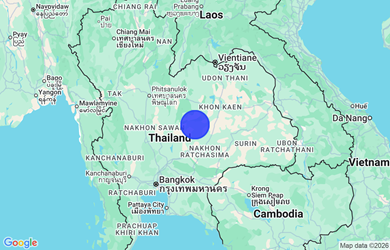
Urban
Countrywide
Microinsurance can be applied throughout the country as low income individuals, and farmers live in both urban and rural areas.
Semi-urban
Countrywide
Microinsurance can be applied throughout the country as low income individuals, and farmers live in both urban and rural areas.
Rural
Countrywide
Microinsurance can be applied throughout the country as low income individuals, and farmers live in both urban and rural areas.
Sector Sources
1) https://www.bangkokpost.com/business/2118627/financial-system-increasingly-vulnerable
2) https://www.bot.or.th/App/BTWS_STAT/statistics/ReportPage.aspx?reportID=775&language=eng
3) https://kasikornresearch.com/en/analysis/k-social-media/Pages/Debt-FB-05-04-2021.aspx
4) https://www.ldd.go.th/PDF/DevelopmentPlanNo.13.pdf
6) https://www.tgia.org/upload/file_group/29/download_1686.pdf
7) https://stats.oecd.org/Index.aspx?QueryId=25444
IOA Sources
2) https://www.oic.or.th/sites/default/files/aephnphathnaathurkicchprakanphay_chbab_4.pdf
3) https://serialsjournals.com/abstract/21407_ch_33_f_-_ferdoushi_ahmed.pdf
4) https://sustainabledevelopment.un.org/content/documents/279482021_VNR_Report_Thailand.pdf
6) https://www.ldd.go.th/PDF/DevelopmentPlanNo.13.pdf
7) https://www.oic.or.th/sites/default/files/content/91311/insurance-commission-act-be-2007.pdf
8) https://www.tilleke.com/insights/microinsurance-needs-push-reach-potential-thailand/
9) https://www.tgia.org/upload/file_group/29/download_1686.pdf
11) https://thailand.un.org/th/node/103307
12) https://www.pier.or.th/abridged/2020/11/#fnref-1
13) https://www.moac.go.th/moaceng-magazine-files-422991791792
17) https://sdg-tracker.org/inequality
18) https://www.social-protection.org/gimi/gess/RessourcePDF.action?ressource.ressourceId=54059
19) https://tdri.or.th/en/2021/02/use-satellite-tech-for-farmers-in-crisis/
21) http://www.nso.go.th/sites/2014en/Survey/social/household/household/2018/Sum_EcoSocio61.pdf
22) https://tdri.or.th/wp-content/uploads/2020/11/24-11-AFFP-final-v3-South-Boontida-Pac-noo-edit2.pdf