
Explore the country and target locations of the investment opportunity.
Country
Philippines
Region
- National Capital Region (NCR)
Situate the investment opportunity within sustainability focused sector, subsector and industry classifications.
Sector
Health Care
Development need
In 2018, public spending on health was only USD 50 per person, i.e., only half the amount spent by ASEAN countries that successfully implemented universal healthcare. Post pandemic, analysts expect that the under-five mortality rate has increased compared to the last reported 2019 data of 12.83%.
This is coupled with multiple closures of last mile healthcare delivery services due to severe cashflow issues during the pandemic. Industry leaders highlight the need for reinvestment in the sector to improve basic healthcare within the country.
Policy priority
The Philippine Development Plan 2023-2028 outlines four priorities to improve the health sector and achieve universal health care in the new normal: (1) improvement of the social determinants of health, especially for the vulnerable sector; (2) people empowerment towards healthy choices and behavior.
Gender inequalities and marginalization issues
Although social health insurance coverage (PhilHealth) was 100% as of 2019 with the signing of the Universal Health Care Act, many are still reliant on out-of-pocket expenditure as their primary source of financing for medical care, which is likely to push Filipino households to poverty.
Investment opportunities
The reduced access to healthcare underlines the investment opportunities for the private sector. Devolution of health services to the local governments allows the coordination for private sector partnerships more directly to concerned communities to develop health care delivery solutions.
Capiz and Quezon City, through their investor forums, have showcased their readiness to partner with private healthcare sector to create further solutions and opportunities in the space.
Key bottlenecks
The decentralization of key services such as health means that local governments have to increase capacity and be able to plan their local health strategy, which can be a bottleneck for investments.
Sub Sector
Medical Technology
Development need
Multiple challenges related to health IT emerged during the pandemic. Many hospitals had to close business due to delays in payment resulting from challenges in processing of requests by the government owned health insurance company, PhilHealth. Such closures and slowness of data collection caused delayed delivery of treatment, and other health related emergencies.
Policy priority
In response to the clear need to revamp the information system for the Department of Health and its workings with the health sector, the Philippine eHealth Strategic Framework and Plan encourages increased private sector participation in research and development initiatives targeted at the establishment of a well-designed health information system.
Gender inequalities and marginalization issues
According to experts, gender inequalities and marginalization are particularly pronounced in healthcare services provided to low-income households and remote areas. These communities are primarily affected by the slow processing of health payments, which leads to significant delays in accessing healthcare services.
Lack of access to healthcare services in remote areas heavily affects women, especially those pregnant and senior citizens. Women are also typically excluded from digital skills training that will enhance their knowledge on healthcare payment mechanisms.
Investment opportunities
As per experts, there is a growing need to implement information technology based solutions to drastically capacitate and improve healthcare delivery. ADB, through the Build Universal Healthcare Program, approved a USD 600 million policy-based loan for the Department of Health to improve healthcare delivery with focus on the expansion of technology usage..
Key bottlenecks
As per experts, coordination with different key agencies in the healthcare sector stifles progress. With the current funding, and Department of Health's technical partnerships and the overall government strategy, support can be expected if private companies provide solutions.
Discover the investment opportunity and its corresponding business model.
Investment Opportunity Area
Digitizing Healthcare Payments
Payment processing platforms for healthcare payment and insurance management
Business Model
Invest in B2B payment processing platform solutions which will streamline payment processing and expedite reimbursements from both private and government-owned insurance companies. This digital solution includes claims management, automated payment posting, and electronic remittance advice (ERA) processing.
Revenue can be generated from transaction charges from hospitals, health care providers, and insurance companies including PhilHealth.
PhilHealth IT Transformation Project - The PhilHealth IT Transformation Project involves the design and development of an IT system that aims to streamline Philhealth's scope of work. This was submitted by Aboitiz InfraCapiital (AIC)– the infrastructure arm of one of the country's largest conglomerates, the Aboitiz Group– and Unisys Public Sector Services. (10) By the end of 2021, PhilHealth earned the net income of P32.84 billion (590 million USD), which is higher by P2.8 billion (5.01 million USD) from the previous year. This is after the Corporation has recognized a total of P140 billion (2.5 billion USD) in members’ benefit claims expense. Consequently, its total assets also rose by 27% with a total of P347.48 billion (6.22 billion USD) in 2021.
Specifically, AIC and Unisys are proposing to design and develop an end-to-end system to digitalize and optimize Philheallth's claims, contributions, membership, and accreditation processes. Moreover, it will provide data capture and reporting services in support of the National Health Data Reporting Repository. (10)
Learn about the investment opportunity’s business metrics and market risks.
Market Size and Environment
Market Size (USD)
> USD 1 billion
CAGR
15% - 20%
Critical IOA Unit
All Filipinos (100%) covered by PhilHealth, with 92 million active beneficiaries
Grand View Research, Mordor Intelligence, Data Bridge Market Research, and Graphical Research all estimate the market size for digital healthcare payment solutions to be greater than USD 1 billion (11) (12) (13) (14) Same researchers estimate the CAGR for healthcare payment solutions to be around 15%-20% (11) (12) (13) (14)
As of 2021, the APAC Healthcare IT market size is estimated at USD 58 billion and is expected to grow by 16.5% between 2022 and 2028. As of the first half of 2022, there are over 98 Million beneficiaries of PhilHealth– 63 million direct and 35 million indirect contributors. (16)
Indicative Return
ROI
15% - 20%
PH Digital Health market is expected to generate revenue of USD 583.70 million in 2023. (20) No return information yet as this proposal was just submitted to government in 2022. However, the Public-Private Partnership Center (PPPC) offers guidelines on what is considered a "reasonable rate of return", which a PPP project is supposed to surpass.
This is applicable for projects submitted under the 2022 Build-Operate-and-Transfer (BOT) Law and its Implementing Rules and Regulations (IRR). The RROR is calculated using a Weighted-Average-Cost-of-Capital (WACC) calculation, supporting the said estimates. See Annex C of the 2022 BOT Law and IRR (17)
Investment Timeframe
Timeframe
Medium Term (5–10 years)
Substantial time is spent between obtaining approvals and actual construction. Returns are only realized upon construction and commencement of actual operations. The benefits of medical IT can be delayed up to more than 10 years. For instance, a new electronic health record system may not start saving money until it is fully implemented and all providers are using it.
Zuellig Pharma uses blockchain technology to fight counterfeit drugs. The company developed an app in 2019 called eZTracker that allows consumers to scan a barcode on a drug to verify. The company has already rolled out the app in several countries, implying a medium term investment timeframe. (12)
Ticket Size
Average Ticket Size (USD)
> USD 10 million
Market Risks & Scale Obstacles
Market - Highly Regulated
As the healthcare information system are heavily regulated and managed by the government, solutions related to healthcare IT are subject to excessive scrutiny, thereby delaying the process of obtaining approvals and execution.
Capital - CapEx Intensive
The development and deployment of medical healthcare IT solutions can be capital-intensive since it requires a significant investment in fixed assets, such as software, hardware, and data centers. This can make it difficult for small and medium-sized companies to enter the market.
Cybersecurity
The healthcare industry is a major target for cyberattacks. Companies in the medical healthcare IT market need to install strong cybersecurity measures to avoid a cyberattack which could disrupt operations, steal patient data, or even result in financial losses.
Read about impact metrics and social and environmental risks of the investment opportunity.
Sustainable Development Need
The lack of a digital healthcare solutions including payments within the Philippine Health Insurance Corporation threatens the financial risk protection of millions of Filipinos. The inadequacy also hampers healthcare delivery systems as many hospitals are dependent on PhilHealth.
Gender & Marginalisation
The Universal Health Act provides that all Filipino citizens are automatically considered beneficiaries of PhilHealth under the National Health Insurance Program (1). However, weak data capture inhibits the intention of the law for marginalized sector to experience PhilHealth benefits.
Expected Development Outcome
Ensuring efficiency, accountability, and transparency in the processes of PhilHealth will result in the improvement of service delivery and financial protection among its stakeholders (2).
Having improved payment system will lessen risks of small clinics in remote areas in having sufficient working capital, essential for sustaining operations, which sometimes lead to closure of critical healthcare facilities, especially in marginalised areas.
Promotion of digital solutions on healtcare payments will increase productivity in the health sector that will contribute in addressing other system-related problems, including information management for better healthcare services.
Gender & Marginalisation
Apart from the improvement of PhilHealth services, this ensures the continuity and availability of health insurance coverage provided for the marginalized sector, especially women, senior citizens, and persons with disability.
Primary SDGs addressed

3 - Good Health and Well-Being
3.8.1 Coverage of essential health services
3.8.2 Proportion of population with large household expenditures on health as a share of total household expenditure or income
Current Value
Coverage based on the Philippine statistics is currently 92% however, reliability and timeliness of payments hamper the actual provision of healthcare for low-income families even if they are covered by the health care system
3.8s.2 Out-of-pocket health spending as percentage of total health expenditure As of 2021, out-of-pocket health spending is 38.9% of total health expenditure
Target Value
2030 target is 100%. For proper coverage and services, the medical information technology infrastructures are critical to be upgraded to be able to adequately handle the required traffic as well as the timeliness of providing healthcare
Target is to maintain a reasonable level at 43.5% by 2030
Secondary SDGs addressed
9 - Industry, Innovation and Infrastructure
11 - Sustainable Cities and Communities
5 - Gender Equality
Directly impacted stakeholders
People
The IOA will benefit all Filipino citizens who are Philhealth members since they will be able to receive better health insurance services due to a more effecient system.
Gender inequality and/or marginalization
Based on the 2022 statistics, 45.4 million beneficiaries belonging to the informal and indigent sectors (4) would greatly benefit from efficient delivery of services within PhilHealth.
Planet
Digitalization of forms not only improves the preservation of information, but also reduces the need for physical copies in the form of paper usage, reducing wastage.
Corporates
Private hospitals benefit from sound end-to-end systems which ensure timely and efficient transactions and reimbursements.
Public sector
PhilHealth will directly benefit from the innovation initiatives. The digitalization of their processes ensures accountability and transparency in every transaction.
Indirectly impacted stakeholders
People
Better information systems can also improve working conditions for healthworkers, reducing administrative work by maintaining shared information and automated processes.
Planet
Digital payment will reduce the overall carbon footprint by limiting the number of physical trips made to avail claims and process payments in person
Corporates
Improving the medical information technology infrastructure and systems in the country would increase the demand for advancements in the health information communication and technology sector.
Public sector
Data analytics to improve service delivery and policies can be performed with the help of more efficient data capture, while securing privacy of patients.
Outcome Risks
Potential for new digital systems to put less technology-savvy employees out of work. Adoption of new digital systems and software solutions may require additional time and training. Gender inequality and/or marginalization risk: Potential drop-off from marginalized sector unfamiliar with digital technology may cause further pronounced gaps
Impact Risks
Lack of security in the implementation of health information systems may cause violation in the Data Privacy Act, harming people's right to privacy and confidentiality. System downtime or frequent need for maintenance may defeat the purpose of improving service delivery.
Gender inequality and/or marginalization risk: Potential increase in disparities in health insurance provision across gender and socio-economic status.
Impact Classification
B—Benefit Stakeholders
What
Digitalization of health information and communication systems that increases efficiency and promotes accountability in the processes of the health insurance system.
Who
PhilHealth beneficiaries and stakeholders receive timely service, and private hospitals receive timely information and payment.
Risk
Lack of security measures in digital infrastructure may cause breach of data privacy.
Contribution
Faster processing and delivery service for more than 98 million beneficiries and time savings to do more meangfiul work for more than 9,000 health service providers
How Much
Services provided to 98 million active beneficiaries of the country's health insurance programme
Impact Thesis
Improve overall health care delivery capability by providing key IT solutions to ease processing and sharing of medical information of stakeholders.
Explore policy, regulatory and financial factors relevant for the investment opportunity.
Policy Environment
The Philippine eHealth Strategic Framework and Plan set forth strategies in the application of ICT in improving healthcare service delivery in the country (3). Joint Administrative Order 2021-0001 under the DOH and PhilHealth sets guidelines on the implementation and maintenance of an integrated health information system across all levels of health care and health insurance providers (5).
In March 2023, PhilHealth and DICT signed a memorandum of understanding for a collaborative partnership wherein DICT will conduct evaluation and provide recommendations and strategies for the improvement of PhilHealth’s ICT system to ensure efficient delivery of services (6).
Financial Environment
Financial incentives: Foreign direct investments is limited to 40% maximum ownership for this sector.
Regulatory Environment
The Universal Health Care Act (RA 11223) of 2019 details the National Health Insurance Program as well as its implementing rules and regulation. Section 34 also mandates that health information systems should ensure patient privacy and confidentiality at all time (1).
The Data Privacy Act of 2012 ensures data privacy and confidentiality of the population amidst all information communication processes in government and private sector (8).
The Ease of Doing Business and Efficient Government Service Delivery Act sets the rules and regulations for processes in government offices and agencies. It ensures efficient flow of services as well as proper management of public affairs and public property while avoiding graft and corruption (9).
RA 7875 as amended otherwise known as the National Health Insurance Act of 2013 defines the components of the NHIP. It also outlines the rules and regulations for implementation of the program including all PhilHealth-related activities (7).
Discover examples of public and private stakeholders active in this investment opportunity that were identified through secondary research and consultations.
Private Sector
Aboitiz, Siemens Healthineers Philippines, MedgAte Philippines, Stash PH Sequoia Capital, Philippine Venture Capital Investment Group (PVCIG), Techstars, Openspace Ventures, Kickstart Ventures Banco De Oro Unibank, Inc, Bank of Philippine Islands, Metro Bank
Government
Philippine Health Insurance Corporporation (PhilHealth); Department of Information and Communication Technology (DICT),Department of Health
Multilaterals
World Health Organization, Asian Development Bank
Non-Profit
Philippine Digital Medicine Society, AeHIN, Health Futures Foundation
Public-Private Partnership
Public-Private Partnership (PPP) Center
See what country regions are most suitable for the investment opportunity. All references to Kosovo shall be understood to be in the context of the Security Council Resolution 1244 (1999)
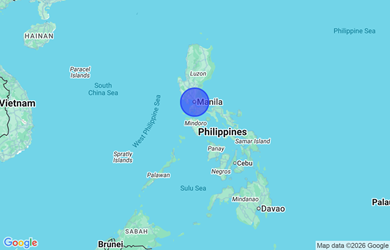
Urban
National Capital Region (NCR)
The Department of Health expressed its desires to partner with companies to provide IT solutions to the different information technology challenges within the medical industry.
1) Official Gazette. (2019). Universal Health Care Act. https://www.officialgazette.gov.ph/downloads/2019/02feb/20190220-RA-11223-RRD.pdf
2) Department of Health (DOH). (2021). The New Normal for Health. https://doh.gov.ph/sites/default/files/publications/The-New-Normal-for-Health.pdf
3) DOH. (2014). Philippine e-Health Strategy Framework and Plan. http://ehealth.doh.gov.ph/images/PDF/PeHSFP20132017.pdf
4) PhilHealth. (2022). Stats & Charts: 2022 (First Semester).
https://www.philhealth.gov.ph/about_us/statsncharts/snc2022_1stSem.pdf
https://www.philhealth.gov.ph/news/2022/fund_strong.pdf "
5) DOH & PhilHealth. (2021). Guidelines on the Implementation and Maintenance of an Integrated Health Information System. https://law.upd.edu.ph/wp-content/uploads/2021/06/DOH-PHIC-JAO-No-2021-001.pdf
6) PhilHealth and DICT sign pact. (2023, March 20). Manila Bulletin. https://mb.com.ph/2023/3/20/phil-health-and-dict-sign-pact-to-further-boost-health-insurance-services-through-digitalization
7) Philippine Health Insurance Corporation (PhilHealth). (2013). Implementing Rules and Regulations of the National Health Insurance Act. https://www.philhealth.gov.ph/about_us/IRR_NHIAct_2013.pdf
8) Official Gazette. (2012). Data Privacy Act of 2012. https://www.officialgazette.gov.ph/2012/08/15/republic-act-no-10173/
9) Official Gazette. (2017). Ease of Doing Business and Efficient Government Service Delivery Act. ihttps://www.officialgazette.gov.ph/2018/05/28/republic-act-no-11032/
10) PPP Center. https://ppp.gov.ph/ppp_projects/philhealth-it-transformation/
11) Grand View Research/ https://www.grandviewresearch.com/industry-analysis/asia-pacific-digital-health-market-report
12) Mordor Intelligence. https://www.mordorintelligence.com/industry-reports/asia-pacific-healthcare-it-market
13) Data Bridge Market Research. https://www.databridgemarketresearch.com/reports/asia-pacific-healthcare-it-market
14) Graphical Research. https://www.graphicalresearch.com/industry-insights/1499/asia-pacific-healthcare-information-technology-it-market
15) Dumlao-Abadilla, (2022). Aboitiz Group submits P 1-B offer to digitize PhilHealth claims process. https://business.inquirer.net/370540/aboitiz-group-submits-p-1-b-offerto-digitize-philhealth-claims-process
16) Philhealth, (2022). https://www.philhealth.gov.ph/about_us/statsncharts/snc2022_1stSem.pdf
17) PPPC, (2022). Sample computation on determining the reasonable rate of return (RROR) for the toll road industry. https://neda.gov.ph/wp-content/uploads/2022/12/PPP-Guidelines-Annex-C-Sample-computation-on-determining-the-reasonable-rate-of-return-RROR-toll-road-industry.pdf
18) Zalke, S. (2023). Philippines Telemedicine Market Analysis. Retrieved from https://www.insights10.com/report/philippines-telemedicine-market-analysis/
19) Marasigan, L. (2022). KonsultaMD, HealthNow post strong growth in 2021. Retrieved from https://businessmirror.com.ph/2022/02/17/konsultamd-healthnowpost-strong-growth-in-2021/
20) Statista (n.d.). Digital Health-Philippines. Retrieved from https://www.statista.com/outlook/dmo/digital-health/philippines
21) APAC Healthcare IT (2021) https://www.graphicalresearch.com/industry-insights/1499/asia-pacific-healthcare-information-technology-it-market#:~:text=How%20big%20is%20Asia%20Pacific,16.5%25%20between%202022%2D2028