
Explore the country and target locations of the investment opportunity.
Country
Thailand
Region
- Countrywide
- Countrywide
Situate the investment opportunity within sustainability focused sector, subsector and industry classifications.
Sector
Food and Beverage
Development needs
In the food value chain, farmers face significant challenges including climate change, high labor and production costs, lack of production planning and management, and low productivity (1). 40% of farm households also do not have land ownership and 42% lack of access to water resource.
Also 26% of farming households have access to irrigation system, which are mostly concentrated in central region of Thailand (2). In 2016, agriculture in Thailand accounted for 52.16 million tons CO2eq or around 15% of the total greenhouse gas emissions (3). Within the agricultural sector, livestock excluding animal feed production accounted for 21.5% of the total greenhouse gas emissions (4).
Policy priority
Many of Thailand's national policies, such as Thailand 4.0 (2), 13th National Economic and Social Development Plan (5), and Bio, Circular and Green Economy Model (6) aim to improve the livelihood of farmers through technology integration, and good production planning and management.
Gender inequalities and marginalization issues
Approximately 40% of farming households in Thailand are living below the national poverty line of USD 1,066.7 (THB 32,000) per year, and the farming population between 40-60 years old increased from 39% of the workforce in 2003 to 49% in 2013 (7).
Key bottlenecks
Agricultural crops, which often have low value, high risk, and high price volatility, while most of the value-added are captured by middlemen and downstream players in the value chain (1). Around 60% of farming households grow one crop per year despite irrigation in the Central region allowing year-round crops.
Most farmers also plant monoculture rotation with in-season and off-season rice accounting for 88% of all monoculture rotation (7).
Sub Sector
Food and Agriculture
Development need
Nowadays, alternative proteins are gaining in popularity as consumers are gaining awareness about healthier and more eco-friendly products (11). As Thailand positioned itself to be one of the major producers of agricultural products, alternative protein is an opportunity that synchronizes with the country’s vision to generate economic value from high value-added products.
It also has the benefit in terms of lower GHG emissions, less water, land and agrochemical use.
Policy priority
20 Years Agricultural and Co-Operative Strategy (2017-2036) aims to increase the income of farmers through good management practices, sustainable and smart farming methods, and education on business administration to help farmers become entrepreneurs (12).
Gender inequalities and marginalization issues
Many of Thailand's Indigenous communities are involved in agriculture and are often located in rural areas. In 2019, 31.4% of all female workers are employed in the agricultural sector (13).
Alternative protein production such as insect farming neither requires labor-intensive workers nor heavy machinery use, thus, can create additional jobs and generate incomes for women.
Key bottlenecks
Many farmers lack the capital and knowledge to invest and engage in sustainable practices and obtain relevant sustainability and food safety certifications such as Good Agricultural Practice (GAP) standard, Hazard Analysis Critical Control Point (HACCP), and organic standards.
Industry
Agricultural Products
Discover the investment opportunity and its corresponding business model.
Investment Opportunity Area
Alternative Proteins as Food for the Future
Business Model
Through B2B and B2C models, companies can buy raw materials from local farmers to process them into alternative protein products, such as plant-based meat, meat substitutes, edible insects, etc.) that they can sell as final products to consumers or as ingredients to other businesses. Alternative proteins can include plant-based meat, meat substitutes, and edible insects. This IOA will help increase income for local farmers that grow the raw materials used to make alternative protein products, help the planet by reducing greenhouse gas emissions and negative environmental impact of livestock production, and help reduce health risks involved with consuming meat for consumers. Investors can invest money in machines and production facility, and product R&D for companies producing alternative protein products. Companies active in this space are:
Malang Ruay is a limited company in Udon Thani province that operates a processing facility that produces various insect food products including cricket powder, cricket active protein, fried or frozen insect products, and other insect-based food supplements. It serves both the domestic and international market, market cap (global) USD 400 million in 2021/Export value USD 76,500 in first half of 2020.
Swees Cheese is a local SME that produces cheese products made from plant-based substitutes, launch first samples in Thaifex food fair 2020, and started incorporation under Swees Plant Based Foods Co.,Ltd at the end of that year (15).
Learn about the investment opportunity’s business metrics and market risks.
Market Size and Environment
Market Size (USD)
> USD 1 billion
According to the Kasikorn Research Center, the total market size for alternative proteins in Thailand in 2021 is USD 1.2 billion (THB 36.2 billion) (1).
Indicative Return
GPM
> 25%
According to expert interviews, alternative proteins can be sold internationally at a high profit margin, and there is increasing demand from consumer segments that want to have a healthier diet and consume less meat.
Investment Timeframe
Timeframe
Short Term (0–5 years)
There is a high and increasing global demand for alternative proteins, which can be exported to other countries in large volumes. Low investment cost and high profit margin also enable a short payback period.
Ticket Size
Average Ticket Size (USD)
USD 1 million - USD 10 million
Market Risks & Scale Obstacles
Capital - CapEx Intensive
According to the Kasikorn Research Center, the market for alternative proteins is being driven by large companies that have a high production capacity to reduce costs and large distribution channels. This may be a barrier for small to medium sized entrants (1).
Read about impact metrics and social and environmental risks of the investment opportunity.
Sustainable Development Need
In 2016, agriculture in Thailand accounted for around 15% of the total greenhouse gas emissions, and livestock excluding animal feed production accounted for 21.5% of the total greenhouse gas emissions within the agricultural sector (2).
To reduce greenhouse gas emissions in the agricultural sector, emissions from livestock production and meat consumption should be addressed by transitioning to more sustainable protein production and diet.
Livestock production creates environmental problems including deforestation, competing for land and water resources, biodiversity loss, etc. and health problems including antibiotic resistance, higher risks of diseases like cancer, heart diseases, etc. (23).
Agricultural products suffer from low value added per worker, and only account for around 10% of GDP despite increase in gross agricultural product from 25.2 billion USD in 2016 to 38.8 billion USD in 2019 (16).
Around 40% of farming households have annual income below the poverty line of USD 1,066.67 (THB 32,000) (19). 30% of farm households have above average and 10% have 3 times higher debt levels when compared to annual farm income/person (19). COVID-19 resulted in 39% loss of income for farm households (19).
Gender & Marginalisation
In the agricultural sector (including fishery and forestry), the gender wage gap was 17% in 2013 (3).
Gender-specific consumption patterns show that women are mostly responsible for household products, food, etc. Although both genders have equal responsibility to protec the environment, women tend to be responsible for buying food for their families, which can have higher impact on the environment if sustainability of food production is not being taken into account (11).
Expected Development Outcome
Alternative proteins have the potential to become a sustainable and high quality substitute for meat products, which will significantly reduce the amount of greenhouse gas emissions, water, and land used in raising livestock. It is expected that by 2025, 15% of the population will not eat meat (4).
Food industry accounts for USD 116 billion (THB 3.48 trillion) or 23% of Thailand's GDP in 2017 (12). Alternative proteins have high value added which can increase income for farmers that grow the raw materials and expected to reach USD 1.21 billion (THB 36.3 billion) market size in 2021 (1).
Alternative proteins can help farmers increase income from the growing trend of health and environmentally conscious consumers. Around 65% of consumers want to have a positive impact on the environment through their everyday life, and are willing to pay more money for food products that reduce plastic and food waste (4).
Gender & Marginalisation
Certain type of alternative proteins, specifically insect protein, require little manual labor and capital resources in sourcing the raw materials. This meant that elderly farmers, people with disabilities, and women can invest in raising insects and raise them conveniently at home.
Then they can sell to insect protein producers to generate income, which can help women contribute to closing the gender wage gap.
Women become the key driver for this IOA as they are the actual decision makers within the household for buying food and consumer products. (11)
Primary SDGs addressed
13 - Climate Action
13.2.2 Total greenhouse gas emissions per year
Current Value
Thailand's total greenhouse gas emissions in 2016 was 417.12 million tons CO2e (5). Thailand's CO2 emissions from burning of fossil fuel and cement production in 2020 was 257.77 million tons (6).
Target Value
Thailand's Nationally Determined Contribution (NDC) has a goal of 20-25% greenhouse gas emission reduction from BAU scenario by 2030 (7).
2 - Zero Hunger
2.3.1 Volume of production per labour unit by classes of farming/pastoral/forestry enterprise size
Current Value
USD 1,768.37 (THB 53,051) per labor unit in 2019 (7)
Target Value
Data not available
2 - Zero Hunger
2.3.2 Average income of small-scale food producers, by sex and indigenous status
Current Value
Farming households have an average annual income per person of USD 2,009.2 (THB 60,276), but 27% have an average annual income below USD 418.63 (THB 12,559) and 10% have a negative income (17).
Target Value
USD 1,982 (THB 59,460) per person by 2021 and USD 13,000 (THB 390,000) per person by 2036 (13)
Secondary SDGs addressed
1 - No Poverty
3 - Good Health and Well-Being
12 - Responsible Consumption and Production
Directly impacted stakeholders
People
Livestock farmers can be affected by the competition for market share with alternative proteins.
Gender inequality and/or marginalization
Low income farmers, indigenous farming communities can gain higher income from participating in alternative proteins as high value added agricultural products.
Planet
Less meat consumption can lead to less greenhouse gas emissions, water, and land used to raise livestock.
Corporates
Producers of the alternative proteins, producers of the input for raw materials, food retailers.
Public sector
Alternative proteins have a high potential to contribute to the economy and GDP of Thailand.
Indirectly impacted stakeholders
People
Livestock farmers can be affected by the competition for market share with alternative proteins.
Gender inequality and/or marginalization
Women are more likely to become a vegan than men. This is due to gender stereotypes associating masculinity with meat (19). Women also tend to be more compassionate towards animals, or tend to have more sustainable consumption patterns (11).
Planet
Some alternative protein productions can help reduce organic waste, such as using organic waste as feed for raising insects.
Corporates
Livestock producers, meat processors, and animal feed producers may face higher competition.
Public sector
-
Outcome Risks
Similar to other food products, the alternative proteins market is currently dominated by large businesses that have high production capacity and distribution channels (1). High production capacity meant that large businesses can sell alternative proteins at lower prices, which can outcompete and put financial strain on new players and small businesses in the market.
Alternative proteins have a relatively high price compared to traditional meat products, which can lead to inequality where alternative proteins are only affordable for high income consumers.
Impact Risks
External risk: COVID-19 led to a decreased spending power and decreased consumption of alternative proteins (1).
Execution risk: Positive environmental impact of alternative proteins may be reduced from energy intensive production processes.
Alignment risk: Small farmers that produce raw materials for the alternative proteins may also face unfair farming contracts, as seen in other food products.
Gender inequality and/or marginalization risk: Women are more likely to use income and debt to consume for food, health and education for their families. (11) Raising awareness of sustainable consumption for women and marginal groups of consumers are important, but can be limited.
Impact Classification
C—Contribute to Solutions
What
Alternative proteins generate positive outcomes from a reduction in GHG emissions and resource use in the livestock industry.
Who
Alternative proteins are high value-added products with increasing demand, these can benefit the farmers who produce raw materials by providing additional income.
Risk
Alternative proteins may face the same problems as other food value chains, including unfair farming contracts for farmers, value chain integration, and value-added captured by big businesses.
Contribution
Additional contribution is likely better than base case as the majority of population may remain as consumers of protein from livestocks.
How Much
Scale: By 2025, 15% of population will avert from livestock-based protein (4). Depth: Livestock contributes to 21.5% (excluding feed production) of GHG emisison within agriculture sector (2). Duration: Medium-term. Expected timeframe for alternative pro
Impact Thesis
Alternative proteins provide a sustainable food source alternative to the traditional meat industry, it can also benefit upstream farmers from adding value to byproducts.
Explore policy, regulatory and financial factors relevant for the investment opportunity.
Policy Environment
13th National Economic and Social Development Plan: Aims to promote overall economic development in Thailand. This policy supports the IOA and agricultural sector by aiming to improve the livelihood, economic and social security, and effectiveness of farmers through driving value-added agricultural supply chain, and alternative proteins are high value-added agricultural products (8).
13th National Economic and Social Development Plan: Aims to strengthen farmers' security and effectiveness by supporting the agricultural supply chain for agricultural commodities (8).
20 Years Agricultural and Co-Operative Strategy (2017-2036): Aims to increase income of farmers through good management practices, sustainable farming methods, and business administration education to help farmers become entrepreneurs (13).
This policy promotes the IOA as producing certain types of alternative proteins may require complicated food processing, and careful planning and practice, such as compiling to criterias for obtaining certain standards that are required for exports.
Farmers Registration is a program that allows farmers to register with the government system in order to create an agricultural database and to facilitate policies or farmer welfare. For insect-based alternative proteins, only certain species are officially recognized for registration (18).
This policy supports the IOA as it allows for farmers that raise insects as sources of alternative protein to be protected by social security and government welfare.
Food Innopolis is a food innovation hub focusing on R&D that offers supporting services, such as research and testing facilities, ecosystem building with academic institutions, private companies, and start-ups (20). It supports the IOA by supporting research and facilities for alternative proteins production, and other high-value added food products.
Financial Environment
Financial incentives: Large corporates in the food industry such as CP Foods, Thai Union, and NR Instant Produce and even energy company PTT are already making investments in alternative proteins (24). Thai Union has formed a Venture Fund to invest in alternative proteins.
Fiscal incentives: Board of Investment Promotion offers 5 - 8 years or more of corporate income tax exemption, import duty exemption on machinery and raw materials, and other non-tax incentives for applicable food businesses (14).
Other incentives: Space F is Thailand's first food technology incubator and acclerator program that was founded by the National Innovation Agency (NIA), Mahidol University and Thai Union Public Company Limited. Alternative proteins is one area of focused with More Meat being one of the start-ups that entered the Batch 1.
More Meat produced plant-based protein made from mushroom, and benefited from Space F via support and extensive network in the food industry.
Regulatory Environment
Co-Operatives Act (1999) allows for the formation of co-operatives to conduct social and economic activities that will provide benefits to the co-operatives (7). Investing in the IOA and alternative proteins can require high amount of capital, which be accumulated via co-operatives.
Agricultural Standards Act (2008) regulates quality and safety of agricultural products (7). This is important in promoting the IOA as alternative proteins are high value-added products that currently targets consumers with high purchasing power or consumers in foreign markets, of which will need quality and safety certifications.
Food Act (1979) and Consumer Protection Act (1979) regulates and forbids the production and sale of impure and substandard food products, and also covers online sales and transactions (7). This regulation supports the IOA from helping consumers gain confidence in the quality and safety of the products.
Overseen by the National Bureau of Agricultural Commodity and Food Standards, Guidance on the Application of the Thai Agricultural Standard establishes the requirements for different agricultural products in order to obtain the Good Agricultural Practice (GAP) Standard.
GAP Standard ensures that food are safe and are of proper quality, taking into account of the environment, and worker's health, safety, and welfare at every step of the production process (21). This standard supports the IOA by providing certification for safety and sustainability of products that can increase consumers' confidence and demand for alternative proteins.
Contract Farming Promotion and Development Act (2017) stipluates specific rules for making farming contracts with dispute resolution and mediation mechanisms that align with FAO's guidelines (22). This regulation promotes the IOA by ensuring fair contracts for farmers, who can be exploited by unfair contracts from supplyinh raw materials that sold to alternative protein producers.
Discover examples of public and private stakeholders active in this investment opportunity that were identified through secondary research and consultations.
Private Sector
Farmers, alternative proteins producers (i.e. Meat Avatar, More Meat, Krop, MJ Plant Based, Mantra, Sesamilk Foods, Swees, Let’s Plant Meat), food retailers, agricultural input producers (i.e. Plantae). Corporate venture capitalists (i.e. InnoSpace).
Government
Ministry of Agriculture and Cooperatives, Bank for Agriculture and Agricultural Cooperatives, Board of Investments, Ministry of Higher Education, Science, Research and Innovation, Food Innopolis
Multilaterals
Good Food Institute, Asian Development Bank (ADB), International Finance Corporation (IFC)
Non-Profit
United Nations Development Programme (UNDP),
Public-Private Partnership
NIA Deep Tech Incubation Program
See what country regions are most suitable for the investment opportunity. All references to Kosovo shall be understood to be in the context of the Security Council Resolution 1244 (1999)
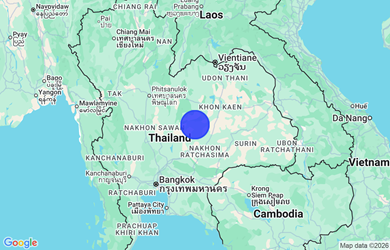
Semi-urban
Countrywide
Alternative proteins can be produced in facilities located in semi-urban or rural areas. However, the location to produce raw materials depends on what type of raw materials. For example, plant-based proteins will need plant agricultural products grown in rural areas.
Rural
Countrywide
On the other hand, insect-based proteins will need insects that can be raised in both semi-urban and rural areas as they require little space.
Sector Sources
1) https://www.depa.or.th/storage/app/media/file/investment-bulletin.pdf
2)https://www.boi.go.th/upload/content/Thailand,%20Taking%20off%20to%20new%20heights%20@%20belgium_5ab4e8042850e.pdf
3) https://unfccc.int/sites/default/files/resource/BUR3_Thailand_251220%20.pdf
4) https://unfccc.int/sites/default/files/resource/BUR3_Thailand_251220%20.pdf
5) https://www.ldd.go.th/PDF/DevelopmentPlanNo.13.pdf
6) http://stiic.sti.or.th/wp-content/uploads/2018/10/BCG_Final1.pdf
7) https://thailand.un.org/th/node/103307
8) https://data.worldbank.org/indicator/NV.AGR.TOTL.ZS?locations=TH
9) https://www.boi.go.th/upload/content/TIR7_Aw_Smart%20farming_5e5dc88fa8284.pdf
10) https://kasikornresearch.com/en/analysis/k-econ/business/Pages/Food--Tech-z3254.aspx
11) https://thaiembdc.org/2022/01/31/thailands-plant-based-protein-exports-on-the-rise/
12) https://www.moac.go.th/moaceng-magazine-files-422991791792
13) https://data.worldbank.org/indicator/SL.AGR.EMPL.ZS?locations=TH
IOA Sources
1) https://kasikornresearch.com/en/analysis/k-econ/business/Pages/Food--Tech-z3254.aspx
2) https://unfccc.int/sites/default/files/resource/BUR3_Thailand_251220%20.pdf
6) https://ourworldindata.org/co2/country/thailand
7) https://sustainabledevelopment.un.org/content/documents/279482021_VNR_Report_Thailand.pdf
8) https://www.ldd.go.th/PDF/DevelopmentPlanNo.13.pdf
9) https://www.thansettakij.com/economy/500790
11) https://www.oecd.org/env/GFE-Gender-Issues-Note-Session-5.pdf
12) http://www.boi.go.th/upload/content/Food%20industry_5aa7b40bd758b.pdf
13) https://www.moac.go.th/moaceng-magazine-files-422991791792
14) https://www.boi.go.th/upload/content/BOI-A%20Guide_EN.pdf
15) https://sweescheese.com/our-story/
16) https://data.worldbank.org/indicator/NV.AGR.TOTL.ZS?locations=TH
17) https://www.pier.or.th/abridged/2020/11/#fnref-1
18) https://www.doae.go.th/upload/files/DOAE_FARMER_REGISTER.pdf
19) https://thailand.un.org/th/node/103307
20) https://foodinnopolis.or.th/th/home/service/
21) https://www.acfs.go.th/standard/download/eng/GAP_Food_Crop.pdf