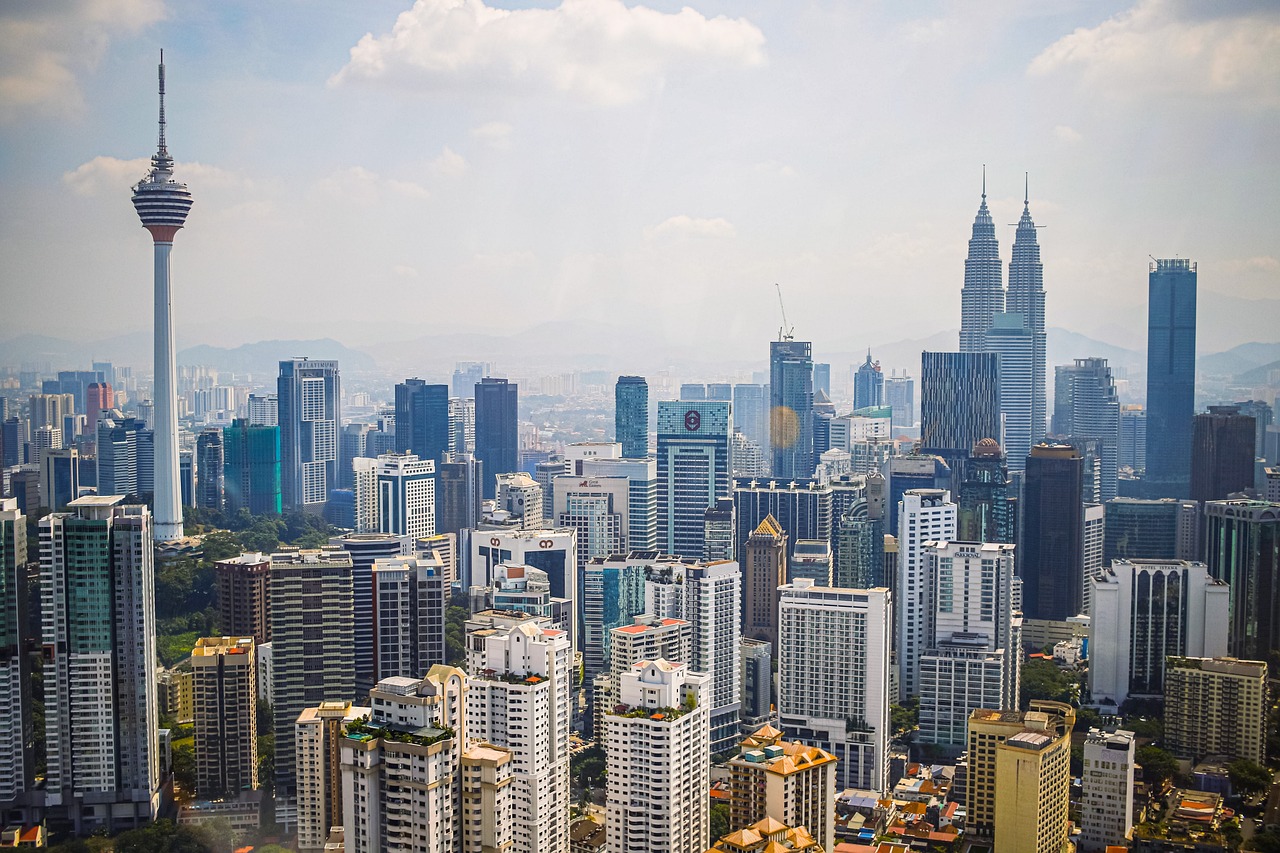
Since gaining independence in 1957, Malaysia has successfully diversified its economy from one that was initially agriculture and commodity-based, to one that now plays host to robust manufacturing and service sectors, which have propelled the country to become a leading exporter of electrical appliances, parts, and components.
Malaysia is one of the most open economies in the world with a trade to GDP ratio averaging over 130% since 2010. Openness to trade and investment has been instrumental in employment creation and income growth, with about 40% of jobs in Malaysia linked to export activities. After the Asian financial crisis of 1997-1998, Malaysia’s economy has been on an upward trajectory, averaging growth of 5.4% since 2010, and is expected to achieve its transition from an upper middle-income economy to a high-income economy by 2024.
However, the COVID-19 (coronavirus) pandemic has had a major economic impact on Malaysia, particularly on vulnerable households. Having revised its national poverty line in July 2020, 5.6% of Malaysian households are currently living in absolute poverty. The Government is focused on addressing the well-being of the poorest 40% of the population (“the bottom 40”). This low-income group remains particularly vulnerable to economic shocks as well as increases in the cost of living and mounting financial obligations.
| Population | 32.7 million (2022) |
| GDP (millions) | 372,980.96 (2021) |
| GINI index Central | 41.2 (2018) |
| Government Debt | 60.4% (2022) |
| Trade/Export (% of GDP) | 131% (2021) / 68.8% (2021) |
| Natural resources | Petroleum, natural gas, tin, timber, copper, iron ore, bauxite, gold, coal, palm oil, rubber, paddy, among others. |
| Languages | Malay (official language), English, Chinese (Mandarin, Cantonese, Hokkien), Indian (Tamil, Hindi) and over 100 Indigenous languages |
| Currency | Ringgit (RM, currency code: MYR) |